Mozambique Plans US$425 Million for El Niño
Mozambique is preparing for a rainy season that forecasters say will be shaped by a very strong El Niño. The government’s outlook flags the south and centre as the main drought risk.

CLIMATE · MOZAMBIQUE
Mozambique’s government plans to mobilise about 27 billion meticais, Mozambique’s currency (about US$425 million at roughly 63 to 64 meticais per dollar, November 2026) to limit the damage from a very strong El Niño, the Pacific Ocean warming that disrupts rainfall worldwide. Prime Minister Benvinda Levi told the Assembly of the Republic, the national parliament, on Wednesday 4 November 2026 that the money would fund the 2026/27 national plan.
The government’s rainy-season outlook warns of severe drought in 76 districts of the south and centre, while the north should see normal rain. The plan answers a forecast that the World Meteorological Organization, the UN weather agency, called unequivocal on 3 September 2026.
Key Facts
- Who Prime Minister Benvinda Levi of Mozambique and her government.
- What An El Niño response plan for the 2026/27 rainy season.
- Where Drought risk is highest in the south and centre.
- As of 23 November 2026, 20:24 GMT.
Mozambique is preparing for a rainy season that forecasters say will be shaped by a very strong El Niño. The government’s outlook flags the south and centre as the main drought risk.
The alarm was raised in September. The World Meteorological Organization (WMO) said in its press release of 3 September 2026 that El Niño was “firmly established and will intensify into a very strong event in the coming months”.
WMO’s forecasting centres give an “exceptionally high likelihood of nearly 100%” that the event lasts until February 2027, the first time an update has been so unequivocal. The peak is expected towards the end of 2026, with effects well into 2027.
Celeste Saulo, the WMO Secretary-General, said: “El Niño in Spanish means boy child – but it has the potential to deliver a massive blow to communities and economies across the world.” UN Secretary-General António Guterres said in the same release that “El Niño is being supersized before our eyes.”
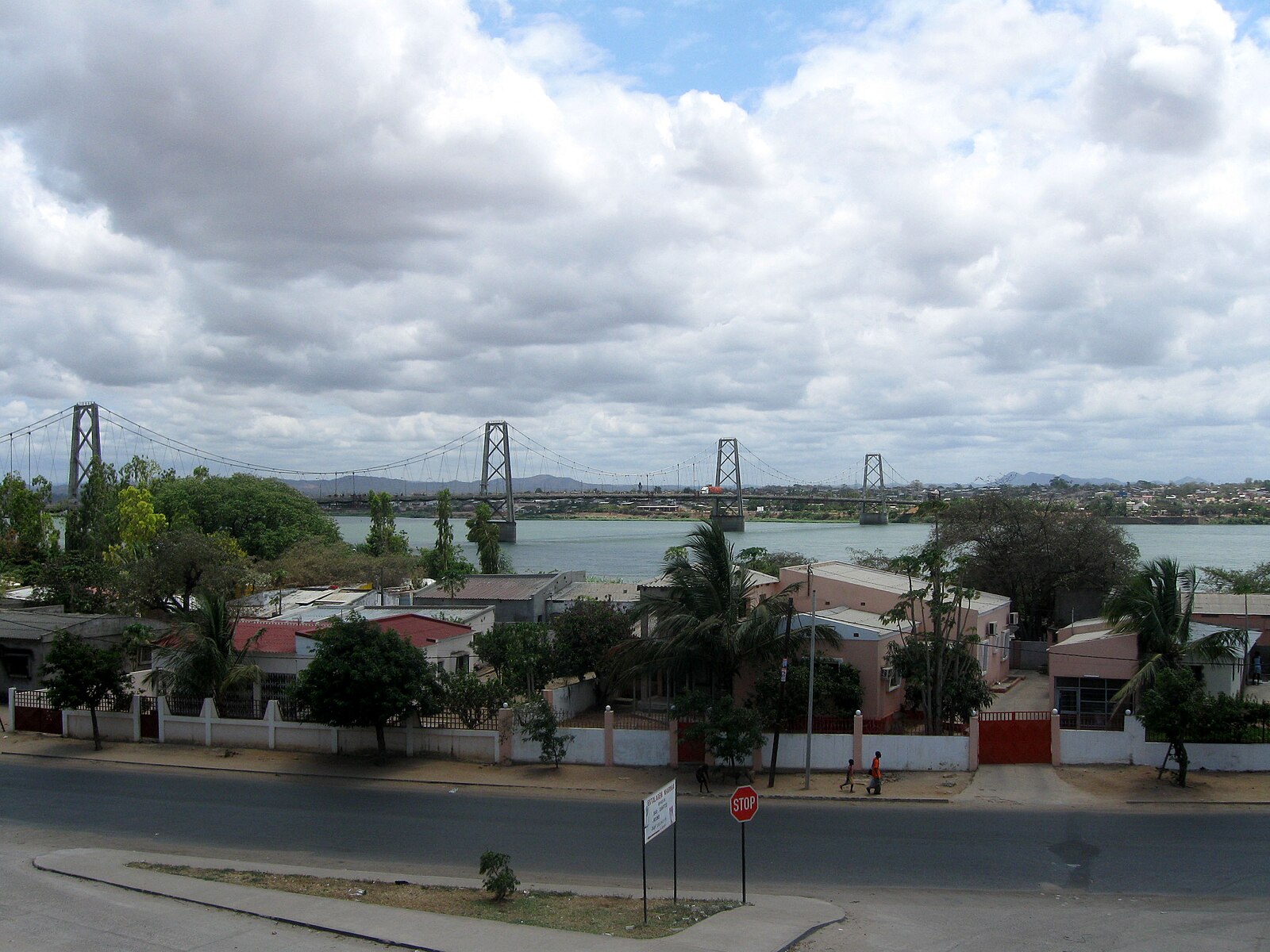
UNICEF, the UN children’s agency, listed Mozambique among 13 priority countries for early action in a release on 1 September 2026. In its Mozambique release of 3 September it said below-normal rain is most likely in the centre and south between October 2026 and March 2027.
That raises the risk of food shortages, water scarcity and cholera, the agency said. Mozambique’s answer is the 2026/27 National Plan for Mitigating the Impacts of El Niño, which Prime Minister Levi presented to lawmakers.
The plan covers agriculture, health, education, water supply, food assistance and social protection. It also includes farm input kits for more than 185,000 households, silos and small-scale irrigation, plus dams, water systems and boreholes meant to benefit more than one million people.
The rainy-season outlook cited with the plan points to normal rain in the northern provinces of Nampula, Cabo Delgado and Niassa. It warns of severe drought in 76 districts across Maputo, Gaza and Inhambane in the south and Sofala, Manica and Tete in the centre.
The health measures include stronger epidemiological surveillance, plus stocks of oral rehydration salts, cholera kits, anti-malaria drugs and tests. Cholera is one of the diseases UNICEF named in its September warning.
UNICEF said less than 1% of international humanitarian aid is available for anticipatory action, meaning help delivered before a disaster strikes. It is asking for US$173 million, from its yearly emergency appeal, for 13 priority countries including Mozambique.
Etleva Kadilli, UNICEF’s Regional Director for Eastern and Southern Africa, said: “We know what is coming, which children are most at risk and how to protect them”. UNICEF says the money is needed before the impacts peak.
At regional level, the Southern African Development Community (SADC), a bloc of southern African states, opened a disaster preparedness workshop in Johannesburg on 20 October 2026. The four-day meeting was titled “From Forecast to Consequence”.
It brought together the EU civil-protection and aid directorate (DG ECHO), UN agencies and the Red Cross, the humanitarian network, to prepare regional contingency plans for the season. Pumeza Tyali, director of South Africa’s National Disaster Management Centre, opened the workshop on behalf of her government.
US investors follow the north because Cabo Delgado hosts TotalEnergies’ roughly US$20 billion Mozambique LNG project (liquefied natural gas for export), which restarted in January 2026. The outlook there points to normal rain, and the drought risk sits mainly in the south and centre.
The rainy season runs from October 2026 to March 2027, so it is already under way. The date of the next WMO update is not confirmed.
How many people will actually be affected has not been established. We found no official statement on who will pay for the plan in full.
Frequently Asked Questions
Which parts of Mozambique face the most drought risk?
The government’s outlook flags severe drought risk in 76 districts of the south and centre. The northern provinces of Nampula, Cabo Delgado and Niassa are expected to get normal rain.
Does El Niño threaten Mozambique’s gas projects?
The outlook points to normal rain in Cabo Delgado, where the gas projects sit. The nearer risk is to food and water in the south and centre.
What is El Niño?
El Niño is a warming of the Pacific Ocean that shifts rainfall patterns around the world. The name is Spanish for boy child.
Related coverage: World Bank urges joint El Niño response and more in Mozambique news.
Sources: World Meteorological Organization, El Niño/La Niña Update (3 September 2026); UNICEF press releases (1 and 3 September 2026); SADC Secretariat (20 October 2026); Prime Minister Benvinda Levi’s statement to the Assembly of the Republic (Wednesday 4 November 2026).
This article was produced by The Rio Times’ automated AI newsroom. Editorial responsibility: Matthias Camenzind, Publisher and Editor-in-Chief. The Rio Times also runs Ask Rio Times, which answers from 100,000+ of our own articles, the daily Latin America Power Map, and prediction-market odds on elections and markets.. How we use AI · Report an error