Moving to Dominica in 2026, From Remote Work Visa to Residence

DOMINICA · CARIBBEAN · EXPATS & NOMADS
Key Facts
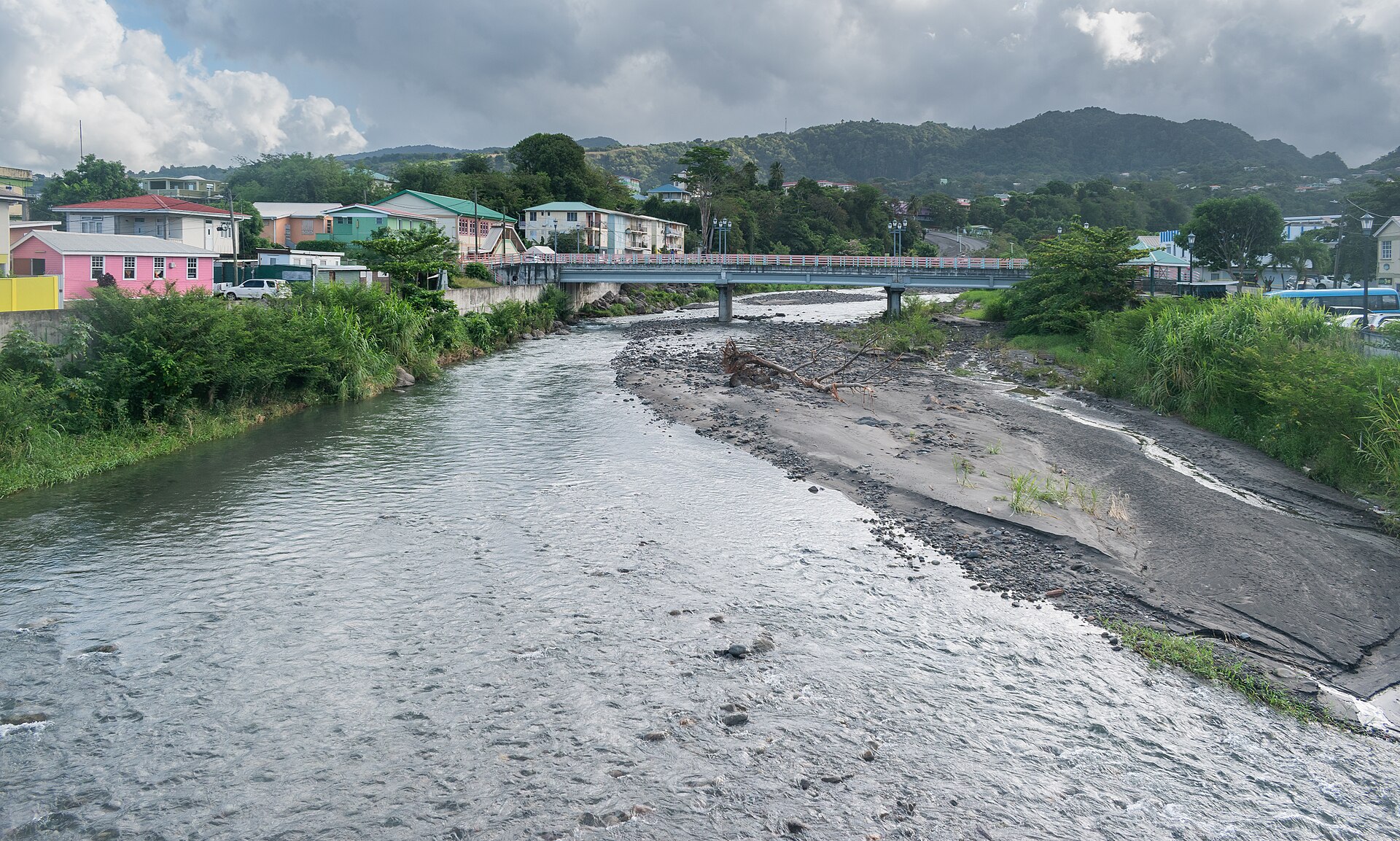
- •The country Dominica is a small, English-speaking island in the Eastern Caribbean, between the French islands of Guadeloupe and Martinique. It is not the Dominican Republic. It calls itself the Nature Island for its rainforest, rivers and volcanic mountains, and it uses the Eastern Caribbean dollar (EC$).
- •Why it matters Americans can visit for stays of under six months without a visa, and the island’s Work in Nature (WIN) visa lets remote workers stay up to 18 months without paying Dominican income tax on that work.
- •The routes There is no single expat permit. Remote workers use WIN, people hired locally need a one-year work permit, longer stays need a residence permit, and permanent residence comes after about five years.
- •The numbers WIN costs US$100 to apply plus US$800 for one person or US$1,200 for a family. A residence permit costs EC$800 (about US$298) for applicants from outside the Caribbean Community, CARICOM.
- •What it means for you The US State Department rates Dominica Level 1, Exercise Normal Precautions, but warns that medical care does not meet US standards and that hurricanes hit regularly. Health insurance that pays claims in Dominica is a WIN requirement.
- •Still open The government publishes no processing times for work or residence permits, and no fixed work-permit fee.
Moving to Dominica in 2026 starts with one decision: which permit fits why you are coming. Remote workers paid from abroad have a dedicated visa, Work in Nature, valid for up to 18 months; anyone taking a local job or settling for longer needs a work permit or a residence permit from the government in Roseau, the capital.
Dominica is an English-speaking Caribbean island of rainforest and volcanic peaks, and it is often confused with the much larger Dominican Republic. For Americans it is easy to reach on paper, with no visa needed for stays under six months, but the paperwork for staying longer is done largely in person in Roseau and has no published timeline.
This guide sets out the routes and fees the government publishes, in the order that avoids the most common delays. Eastern Caribbean dollar amounts are converted at the Tuesday 6 October 2026 close of EC$2.69 per US dollar.
Before You Go: Entry Rules for US Citizens
The State Department says US citizens need a passport valid at the time of entry and no visa for stays under six months, as long as they hold an onward or return ticket, confirmation of where they will stay and evidence that they can support themselves. A departure tax of EC$86 (about US$32) applies when leaving, with children under 12 exempt.
Every arriving passenger fills in the Online Immigration and Customs Declaration Card no more than three days before travel. The government said in a notice dated 20 December 2024 that edcard.dominica.gov.dm is the only official platform and that it charges no fee, and it warned against sites that do.
Route One: The Work in Nature Visa
WIN is the route for remote workers, digital nomads and families whose income comes from outside Dominica. According to the programme’s official site, applicants must be at least 18, of good character with no criminal record, able to work remotely, and expect to earn at least US$50,000 over the next 12 months, or otherwise show they can support themselves and any family members coming with them.
The work must be for companies or clients not registered in Dominica. WIN holders get a waiver of Dominican income tax but remain liable for tax in their home country, which for Americans means US federal tax still applies.
The fees, all in US dollars, are:
- Application fee: US$100, non-refundable, paid when you apply online.
- Visa fee for one person: US$800.
- Visa fee for a family: US$1,200, covering a spouse or partner and children under 18.
- Businesses sending four or more employees: US$800 plus US$500 for each additional employee.
The upload list includes the passport data page, police records from every country you have lived in during the past five years for each adult, a bank reference letter, an employment letter, photos, proof of family relationships and health insurance valid in Dominica. Documents not in English need a certified translation. Applicants who need an ordinary visa to enter Dominica must get that first.
The programme says it aims to send an approval letter within 14 to 28 days; its FAQ page gives 14 to 21. You then have 30 days to pay the visa fee and 90 days to arrive. The visa stamp is issued at the border and runs for up to 18 months from that date, and holders may travel in and out.

Route Two: A Work Permit for a Local Job
A foreigner hired by a Dominican employer needs a work permit. The Labour Division says a permit is valid for one year, that there is no set processing time, and that speed depends on how complete the application is. Fees are paid at the Treasury Department or online at eservices.gov.dm, and the government’s payment portal lists the work-permit charge only as “depending”.
Two details catch families out. Children cannot be added to a parent’s work permit; a dependent child may instead qualify for a student visa. And you cannot simply arrive as a visitor and start working: your status stays that of a visitor until a work or residence permit is granted.
Route Three: Residence and Permanent Residence
A residence permit is for people who want to live in Dominica without a local job, such as retirees. The government portal sets these conditions:
- A passport valid for at least six more months.
- An Extension of Stay from the Immigration Department, recorded in your passport, for as long as the application is pending. Without it you are on the island illegally and will not be given a form.
- A medical certificate from a doctor, including HIV and chest X-ray results.
- Two testimonials, a bank statement of financial position, a recent police record and two passport photos.
- A return ticket or a deposit to cover one, plus a cover letter and, where relevant, a marriage certificate.
- The fee, paid at the Treasury: EC$800 (about US$298) for non-CARICOM nationals, including Americans, or EC$250 (about US$93) for CARICOM nationals.
Permanent residence requires five years of residence or employment on the island, and the Labour Division says you need at least five work permits if you came to work. It is granted at the minister’s discretion. The fee is EC$800 (about US$298) for non-CARICOM nationals and EC$400 (about US$149) for CARICOM nationals.
The Citizenship Option and a US Visa Warning
Dominica also sells citizenship. The Citizenship by Investment Unit, the government office that runs the programme, says a single applicant must contribute US$200,000 to the Economic Diversification Fund, or buy approved real estate worth at least US$200,000, hold it for at least three years and pay government fees from US$75,000 per applicant.
That passport now carries a US complication. A presidential proclamation of 16 December 2025 suspended the entry of Dominica nationals into the United States as immigrants and on B-1/B-2 visitor, F and M student and J exchange visas from 1 January 2026, stating that Dominica “has historically had CBI without residency.”
Prime Minister Roosevelt Skerrit’s office said on 23 December 2025 that the proclamation had not been withdrawn, that Dominicans already holding valid US visas could still travel, and that a first US review was due 90 days after 1 January. In April 2026 Skerrit said Secretary of State Marco Rubio had indicated a review in June, ABS Television in Antigua reported. The restrictions apply to Dominica passport holders, not to US citizens travelling on a US passport.
Housing, Land and Driving
Rent before you buy. When you do buy, the government’s payment portal lists an alien fee on land transfer of 10% of the land’s value for foreign buyers, a Title to Land Assurance Fund charge of 1%, and a vendor’s stamp duty of 4% on the sale. Legal fees come on top; get an independent lawyer.
Dominica drives on the left, and the State Department says a local temporary licence is required. The Inland Revenue Division issues visitor licences to holders of a valid foreign licence:
- One month: EC$30 (about US$11).
- Three months: EC$60 (about US$22).
- Longer stays: a learner’s licence for EC$60 (about US$22), a road test for EC$150 (about US$56), then a Class B car licence at EC$80 (about US$30) a year.
WIN holders show their visa stamp to the Traffic Department to get a Dominica driver’s permit, according to the programme. They may also import personal and business items, tools of trade and household goods free of import duty and VAT during the first three months, though a customs service charge and environmental surcharge still apply.
Health Care and Schools
The WIN programme lists four hospitals: the Dominica-China Friendship Hospital in Roseau, the main one; Marigot Hospital in the northeast; a hospital in Portsmouth in the north; and one private facility, the Justin Fadipe Medical Centre. The State Department says facilities do not meet US standards and that doctors and hospitals often expect immediate cash payment, so buy insurance that includes medical evacuation.
Bring enough of any regular medicine: local pharmacies will only refill a prescription written by a local doctor. Children of WIN holders may attend public, private or online school, and schooling is compulsory from five to 16. The programme quotes these contributions:
- Public primary school: no fees, but contributions are requested.
- Public secondary school: EC$150 to EC$400 (about US$56 to US$149) a year.
- Private-assisted schools: EC$600 to EC$1,000 (about US$223 to US$372) a year; fully private schools quote the same range per semester.
- Tertiary study for non-nationals: EC$1,680 (about US$625) a semester.
What It Means for You
For most Americans the sensible sequence is: arrive as a visitor to look, apply for WIN if your income is from abroad, and only then decide whether a residence permit makes sense. If you plan to stay beyond 18 months, ask the Immigration Department early whether your time on WIN counts toward the five years needed for permanent residence; the published rules do not say.
Budget for the island’s weak points. The State Department says Dominica regularly experiences hurricanes and that petty theft, burglary and car break-ins occur, along with incidents of violent crime including murder, robbery and shootings. Ask any landlord about storm shutters, water storage and flood or landslide exposure before signing.
Keep every Treasury receipt and permit letter. Fees are paid at the Treasury rather than the office that processes your case, and you will need proof of payment at each step.
What Is Not Known
The government publishes no processing time for work permits or residence permits, and no fixed fee for a work permit. The WIN programme gives two different turnaround times on its own pages. Neither government has published the result of the US review of the December 2025 restrictions that Skerrit said was expected in June 2026, so it is not known whether they will be eased. The rules also do not say whether time spent on a WIN visa counts toward permanent residence, and the cost of renting varies too widely by area to quote a reliable figure.
Frequently Asked Questions
Do US citizens need a visa to move to Dominica?
Not to visit. US citizens can stay under six months without a visa, according to the State Department. Living there longer needs a WIN visa, a work permit or a residence permit.
How much does the Dominica Work in Nature visa cost?
A US$100 application fee plus a visa fee of US$800 for one person or US$1,200 for a family. It allows remote work for employers outside Dominica for up to 18 months.
Do WIN visa holders pay income tax in Dominica?
No. The programme grants a waiver of Dominican income tax on remote work, but holders stay liable for tax in their home country.
How long until I can get permanent residence in Dominica?
Five years of residence or employment is the stated condition, and the decision is at the minister’s discretion. The fee for non-CARICOM nationals is EC$800 (about US$298).
Sources: US State Department, Dominica country information (advisory of 20 May 2026), Work in Nature, eligibility, Work in Nature, fees, tax and imports, Work in Nature, processing times, Work in Nature, application process, Work in Nature, FAQ, Government of Dominica, residence permit, Government of Dominica, permanent residence, Labour Division, FAQ, Inland Revenue Division, driver’s licences, Government of Dominica e-payment portal, alien fee on land transfer, e-payment portal, Title to Land Assurance Fund, e-payment portal, vendor’s stamp duty, e-payment portal, work permit, Government of Dominica, ED card notice, 20 December 2024, Online Immigration and Customs Declaration Card, Citizenship by Investment Unit, investment options, White House, proclamation of 16 December 2025, Office of the Prime Minister of Dominica, statement of 23 December 2025, ABS Television, Dominica hopeful ahead of US review, 8 April 2026. Exchange rate: Tuesday 6 October 2026 close, EC$2.6882 per US dollar. All retrieved 7 October 2026.
This article was produced by The Rio Times’ automated newsroom system. How we use AI · Report an error · Editorial responsibility: Matthias Camenzind, Editor-in-Chief