May 2024 saw a decrease in Buenos Aires’ inflation rate to 4.4%, a notable drop from April’s 9.8%, according to INDEC Argentina.
This reduction offers a glimpse of stabilization in an otherwise volatile economic landscape.
By the end of May, cumulative inflation for the year had hit 80.2%, with a year-over-year rate of 280.9%.
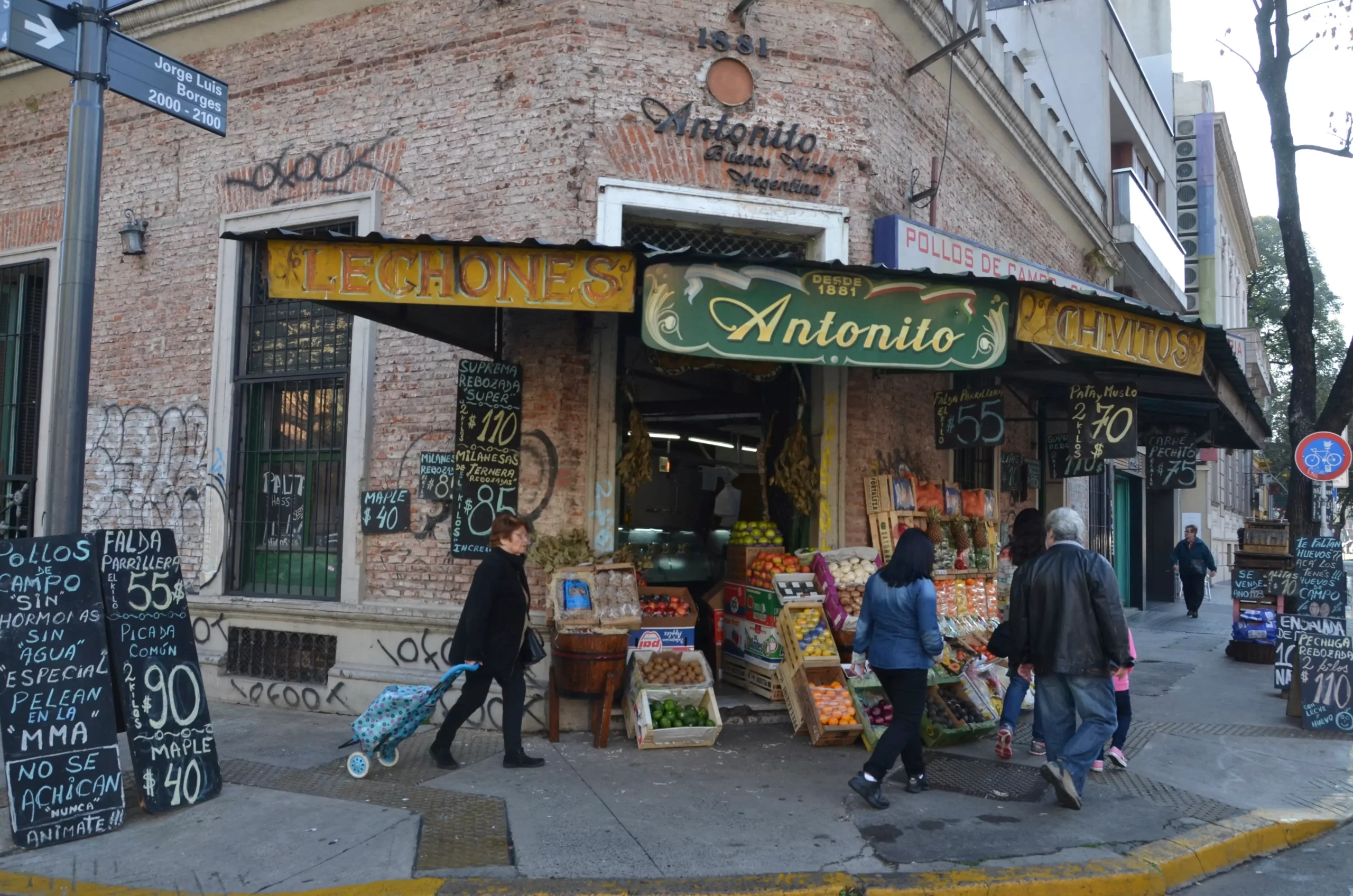
Food prices, a significant concern for residents, rose by 4.8% in May. Vegetables, tubers, and legumes experienced the highest increase at 24.2%.
Milk, dairy products, and eggs saw a smaller rise of 4.5%. Bread, cereals, and meat recorded increases of 3.5% and 2.5% respectively.
For the year, the overall rise in food and beverages reached 308.8%. Beyond food, other sectors also saw price increases.
Insurance and financial services rose by 12.6%, and costs in information and communication went up by 7.7%.
Education expenses increased by 6.2%, and the prices for alcoholic beverages and tobacco rose by 6%.
Health services costs fell by 4.2% due to policy changes by the Milei administration, reversing previous health plan fee increases.
Inflation in Buenos Aires reflects broader Argentine economic trends, showing the complex interplay of policy and market dynamics.
Ongoing inflation affects the cost of living and has broader implications for Argentina’s economic stability and global financial interactions.
The situation in Buenos Aires highlights broader economic challenges in Argentina, influencing government policy and international market position.
More: Argentina news in English, every day from The Rio Times.
This article was produced by The Rio Times’ automated newsroom system. How we use AI · Report an error · Editorial responsibility: Matthias Camenzind, Editor-in-Chief
In depth
Living in or visiting Buenos Aires? See this month's events and our Buenos Aires city guide with rents, safety and upcoming concerts.