Massive Blackout Leaves 98% of Chile Without Power, Halts Daily Life and Key Events
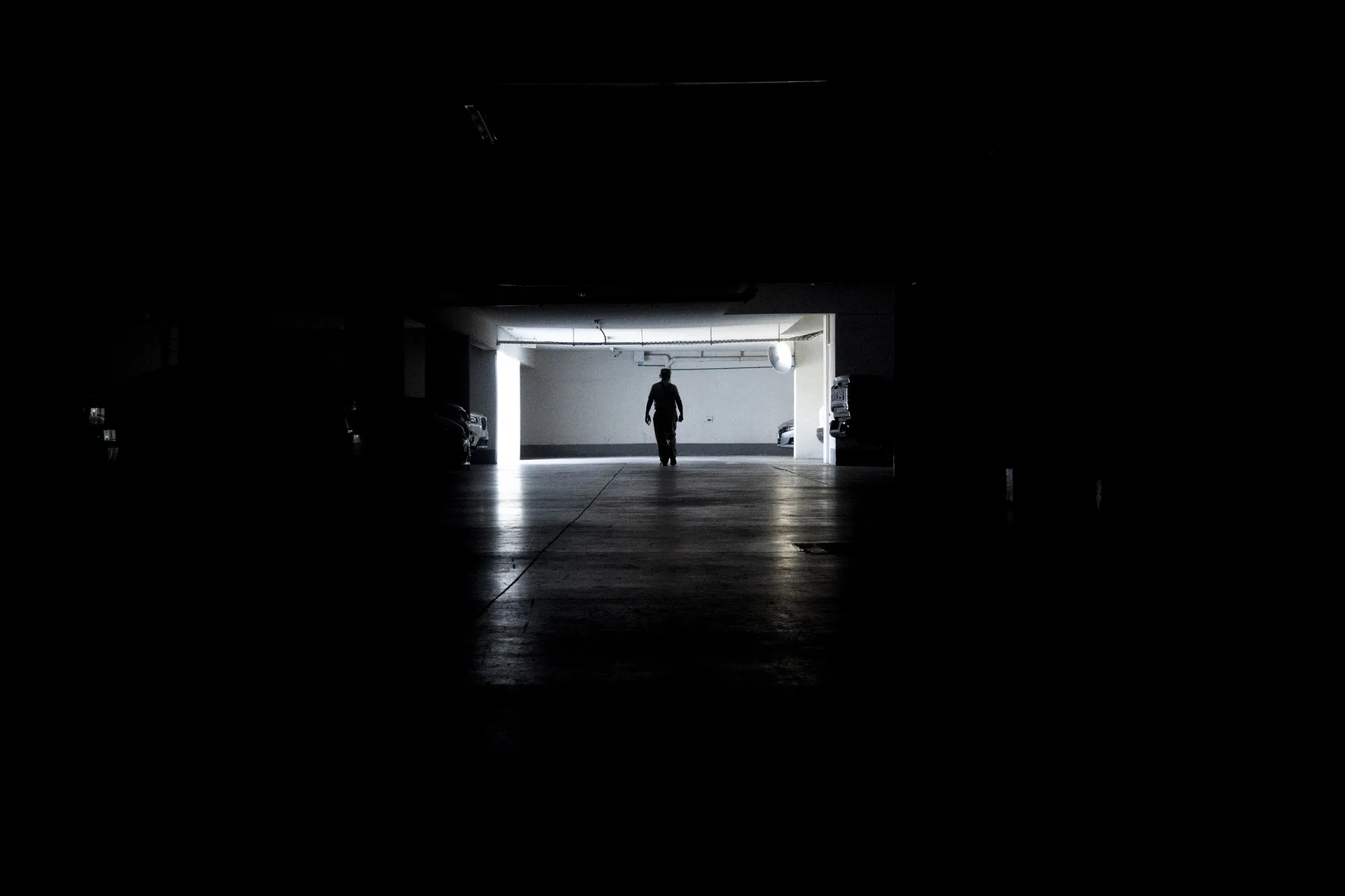
A nationwide blackout on Tuesday plunged 98% of Chile’s population into darkness, disrupting daily life, transportation, and major events.
The outage, caused by a failure in the 500 kV transmission line operated by ISA InterChile, affected approximately 19 million people across 14 regions spanning 2,400 kilometers.
President Gabriel Boric declared a state of emergency, imposed a curfew from 10 PM to 6 AM, and deployed 3,000 military personnel to maintain order. The blackout began at 3:16 PM and paralyzed critical infrastructure.
Santiago’s Metro system shut down entirely, stranding millions of commuters. Traffic lights failed in major cities, causing accidents and traffic chaos. Internet connectivity dropped to 25% of normal levels, and mobile networks faced disruptions.
Airports operated with delays under backup power, while water shortages emerged as electric pumps stopped working. Cultural and sporting events also faced cancellations.
Organizers suspended the Viña del Mar International Song Festival and matches in the ATP 250 Chile Open tennis tournament. Schools in affected regions closed for nearly 300,000 students as authorities worked to restore power.
President Boric Criticizes Private Energy Companies
President Boric criticized private energy companies for negligence, calling the situation “unacceptable” and vowing accountability. He emphasized the need for a resilient energy system to prevent similar crises.
By midnight, power had been restored to 42% of affected customers, but officials warned the grid remained unstable. Chile’s centralized energy system relies on long-distance transmission lines connecting northern solar farms to urban centers.
While efficient for renewable energy development, this structure creates vulnerabilities during failures. Extreme heat and ongoing forest fires may have exacerbated the grid’s fragility.
The blackout disrupted Chile’s mining sector, a key economic driver. Operations at major facilities like Escondida, the world’s largest copper mine, halted temporarily as companies activated emergency protocols.
The event highlighted weaknesses in Chile’s energy infrastructure amid rising demand and climate-related challenges. As investigations continue, the government faces pressure to modernize the grid and improve disaster preparedness. For millions of Chileans, the blackout underscored how critical reliable electricity is to daily life and economic stability.
More: Chile news in English, every day from The Rio Times.
This article was produced by The Rio Times’ automated newsroom system. How we use AI · Report an error · Editorial responsibility: Matthias Camenzind, Editor-in-Chief