Liberia Will Take 1,200 Deportees from the US, Starting Today
Key Facts
- —What happened Liberia starts receiving 1,200 US deportees today, with the first 20 arriving Thursday.
- —How big a jump It is one of the largest third-country deportation deals under the Trump administration.
- —The real story The deportees are non-Liberians Washington cannot safely return to their home countries.
- —The catch Liberia gets US technical and financial support, a de facto payment for the deal.
- —Who it touches Rights groups warn deportees may face pressure to abandon asylum claims in a poor country.
- —What comes next How Liberia handles the first arrivals will shape future US deportation deals across Africa.
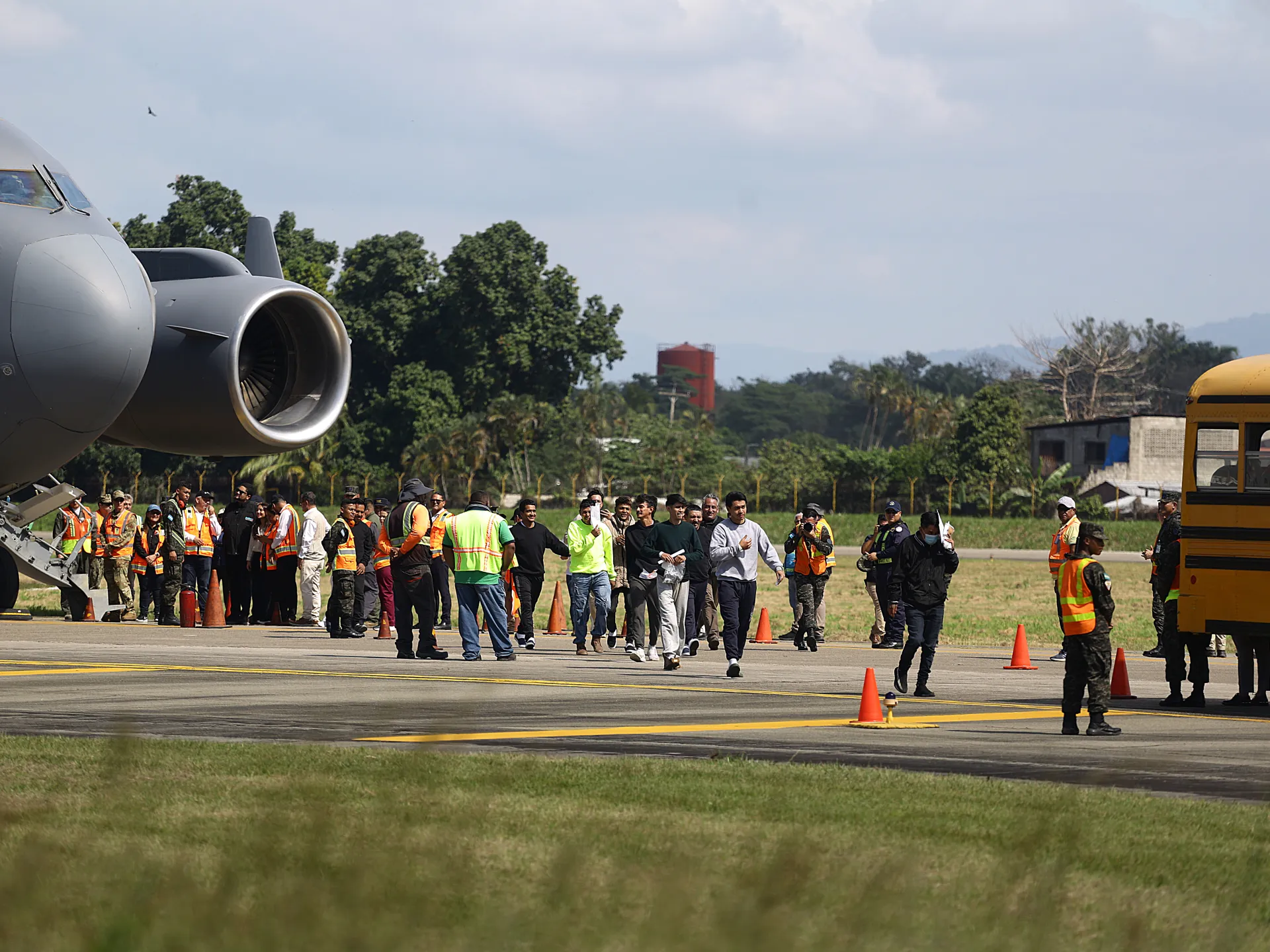
Liberia has agreed to accept up to 1,200 foreign deportees from the United States over the next year, placing the West African nation at the centre of Washington’s expanding third-country deportation network. The first group of 20 migrants arrives on Thursday, 20 August 2026.
What the Liberia US deportees deal contains
The arrangement commits Liberia to receive up to 1,200 third-country deportees from the United States over approximately 12 months. These are not Liberian nationals but foreigners whom American immigration judges have determined cannot be safely returned to their home countries, often due to risks of torture or serious harm.
Information Minister Jerolinmek Matthew Piah has stressed that the deportees will be received as guests of the Republic, not detainees. They will be free to leave Liberia whenever they wish, have access to the legal system, and may apply for asylum under Liberian laws.
Justice Minister Natu Oswald Tweh says Liberia has screened the list and that most deportees have immigration violations or minor offenses, not serious criminal records. The government has not disclosed detailed nationalities, but official statements confirm the group includes citizens of African states and Western Hemisphere countries.
The money and leverage behind the arrangement
Monrovia insists the deal is entirely humanitarian and not a transaction with a quid pro quo. Yet Liberia will receive American technical and financial support to manage the programme and strengthen its migration and border-management systems.
That support functions as de facto capacity-building and partial compensation in kind for a cash-strapped state. It will likely fund housing, logistics, legal aid, and investments in information technology and border infrastructure.
By accepting a controversial request that other African governments have resisted, Liberia strengthens its image as a reliable United States partner. That alignment can translate indirectly into advantages in aid allocations, security cooperation, and international financial support, even if not formally tied to the deportee deal.
Washington’s third-country deportation strategy
The Liberia arrangement is one of the largest third-country deportation deals yet under the Trump administration’s hard-line migration policy. It follows earlier United States efforts to use other African states, including Equatorial Guinea and Ghana, as hosts for migrants Washington cannot legally send home.
In litigation over Kilmar Ábrego García, a Salvadoran migrant whom the US at one point sought to deport to Liberia, a senior American official argued that significant government resources and political capital had been invested in negotiating with Monrovia. The official warned that abandoning such agreements could cast doubt on the diplomatic reliability of the United States.
Rights groups note that in similar deals with other African countries, some deportees ultimately got repatriated despite protections, leading to litigation over alleged violations of United States court orders and international law. The Liberia agreement reportedly states that Monrovia will not return a transferred person to their home country while a protection claim is pending.
Great-power competition and Liberia’s positioning
The deportee deal fits into a larger scramble for influence on the African continent. As the United States competes with China and, to a lesser extent, Russia for African partnerships, cooperative governments like Liberia gain bargaining power by trading politically costly services for economic and security benefits.
China has focused on infrastructure, loans, and commodities. Washington increasingly responds with security partnerships, migration programmes, and governance initiatives, even as it pursues deterrent policies at home.
For Liberia, deepening ties with Washington through this programme can make it a preferred partner for Western development banks, United States agencies, and allied donors. That role may subtly bind Monrovia into a US-aligned policy orbit, constraining its room to manoeuvre with other powers. This dynamic is part of the broader pattern covered in Africa: The New Scramble.
Rights concerns and domestic controversy
Rights advocates and some political commentators in Liberia have raised concerns about transparency, noting that very limited public detail exists on how deportees are selected and what safeguards apply. Questions also surround integration into Liberian communities and possible social tensions.
Critics argue that sending migrants to a distant country with unfamiliar language, laws, and limited support can pressure them to abandon asylum claims and accept voluntary return, even when that return is unsafe. Advocacy groups say this dynamic undermines the integrity of asylum systems by turning protection into a bargaining chip in foreign policy.
Liberia is one of the world’s poorer countries, still dealing with post-conflict reconstruction and limited social services. The government’s commitment to treat deportees as free guests implies a need for expanded asylum procedures, housing, health and security arrangements, and coordination between immigration, justice and security agencies.
What to watch next
The first 20 deportees arrive on Thursday, 20 August 2026, and their reception will set the tone for the programme. How Liberia manages their housing, legal access, and integration will be closely watched by Washington, rights groups, and other African governments weighing similar requests.
Any reports of forced repatriation from Liberia to a deportee’s home country would trigger legal and reputational fallout, as has occurred with other host states. Investors and insurers will also monitor whether the programme affects social cohesion or Liberia’s risk profile in sectors where security and governance matter, such as ports, mining, and agro-exports.
The arrangement’s long-term significance lies in whether it becomes a template for further United States third-country deportation deals across Africa. If it proceeds smoothly, Washington may seek similar agreements with other fragile states, deepening the migration outsourcing architecture that is reshaping global asylum politics.
Connected Coverage
For more on how migration, minerals, and great-power rivalry are reshaping African geopolitics, read Africa: The New Scramble.
Sources
Frequently Asked Questions
How many deportees will Liberia accept from the United States?
Liberia will accept up to 1,200 non-Liberian deportees from the United States over approximately 12 months, with the first group of 20 arriving on 20 August 2026.
Are the deportees Liberian citizens?
No, the deportees are not Liberian nationals. They are citizens of African states and Western Hemisphere countries whom the United States cannot legally repatriate to their home countries.
What legal status will the deportees have in Liberia?
Liberia’s Information Minister says they will be received as guests of the Republic, free to leave whenever they wish, with access to the legal system and the right to apply for asylum.
This article was produced by The Rio Times’ automated newsroom system. How we use AI · Report an error · Editorial responsibility: Matthias Camenzind, Editor-in-Chief