Kazakhstan Set to Produce Turkish Drones in 2024
Kazakhstan intends to begin producing Turkish drones by 2024, as revealed by Erol Oguz, a spokesperson for Turkish Aerospace.
He clarified that the deal involves more than just manufacturing. Kazakhstan will also receive valuable technology and know-how from Turkey.
The aim is for Kazakhstan to make drones on its own in the future.
In a related move, Kazakhstan is limiting exports to Russia. The restricted items include drones and chips, among other dual-use goods.
This action aligns with Western sanctions against Russia. Observers find this new stance from Kazakhstan interesting. It might indicate a shift in the country’s geopolitical alliances.
Adding to this, some are concerned about Kazakhstan’s direction. They worry the country is leaning away from Russia and closer to Western policies.
This could also mean a tilt toward a pro-Ukrainian viewpoint. Given these developments, many are watching Kazakhstan’s actions closely.
For context, the region has seen rising geopolitical tensions recently. Relations between Russia and the West remain strained.
Kazakhstan’s decision to align with Western sanctions has, therefore, caught attention. The move to produce drones amplifies this focus.
Both actions signal shifts in the larger political landscape of Central Asia. So, the coming years could bring significant changes to Kazakhstan’s global relationships.
Background
Turkey has made significant strides in the drone industry. It has developed drones like the Bayraktar TB2, which saw action in various conflicts.
These drones are not only technologically advanced but also cost-effective. Countries like Ukraine, Qatar, and Azerbaijan have already become customers.
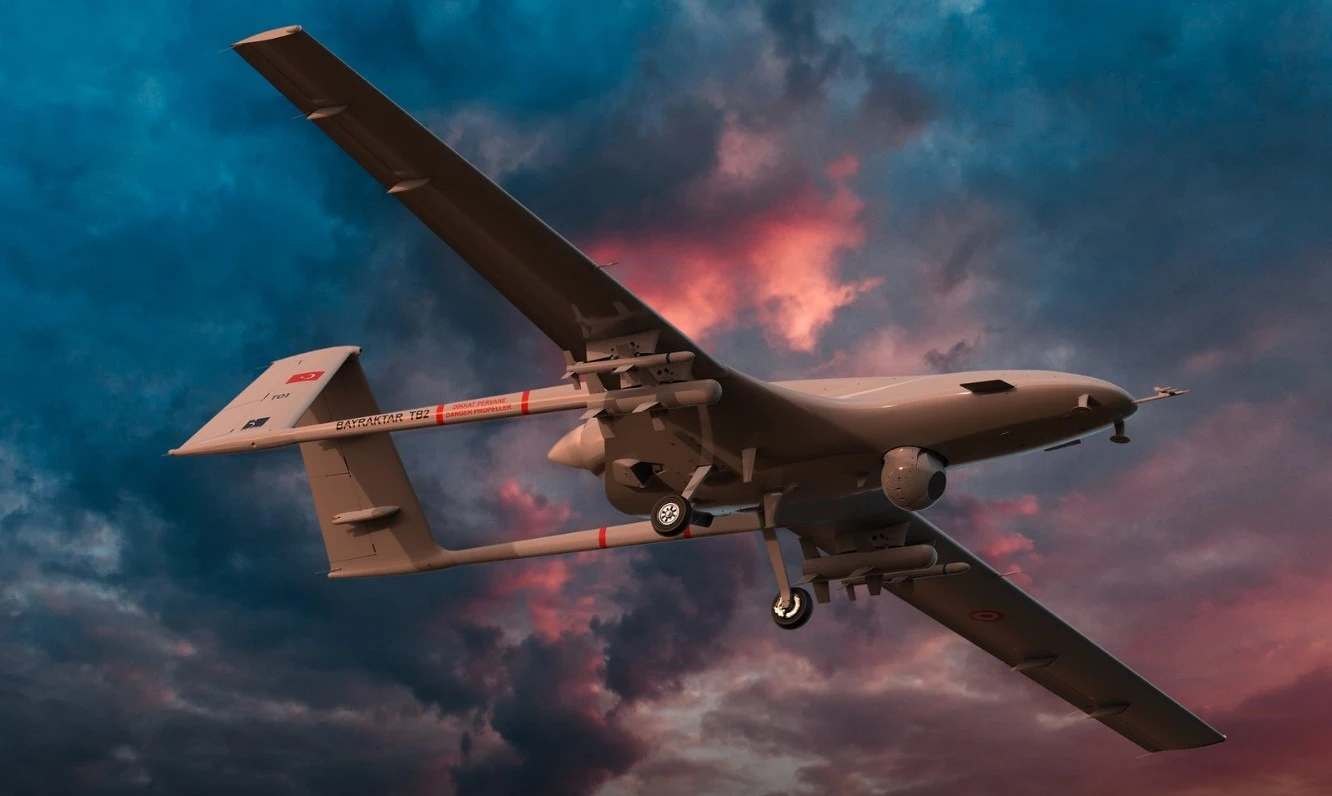
As a result, Turkey has secured its spot as a key player in the global drone market.
By partnering with Turkey, Kazakhstan also steps into this rapidly growing sector.
Historically, Kazakhstan has been more closely aligned with Russia in terms of military technology.
But this new agreement indicates a possible shift. The partnership could have ripple effects, changing dynamics not just in Central Asia but in the broader global context.
This article was produced by The Rio Times’ automated newsroom system. How we use AI · Report an error · Editorial responsibility: Matthias Camenzind, Editor-in-Chief