Israel Proposes Black Hawk Fleet to Modernize Argentine Army
Israeli firms have proposed equipping the Argentine Army with UH-60L Black Hawk helicopters.
This initiative is designed to significantly enhance the military’s capabilities. It aligns with ongoing updates, such as acquiring armored combat vehicles.
Traditionally, the Argentine Army has collaborated with these companies to strengthen their arsenal with cutting-edge technology.
Noteworthy past collaborations include the TAM 2C-A2 project with Elbit Systems and acquiring HERO family munitions from UVision.
Additionally, these firms have recently offered Spike LR2 anti-tank missiles.
Under President Javier Milei’s leadership, Argentina has strengthened ties with the U.S. and Israel, paving the way for new defense agreements.
In the U.S., the Army intends to retire 51 Black Hawks by 2025 to make room for newer models.
Programs like Foreign Military Sales and Excess Defense Articles will sell these helicopters, each valued at approximately $2 million.
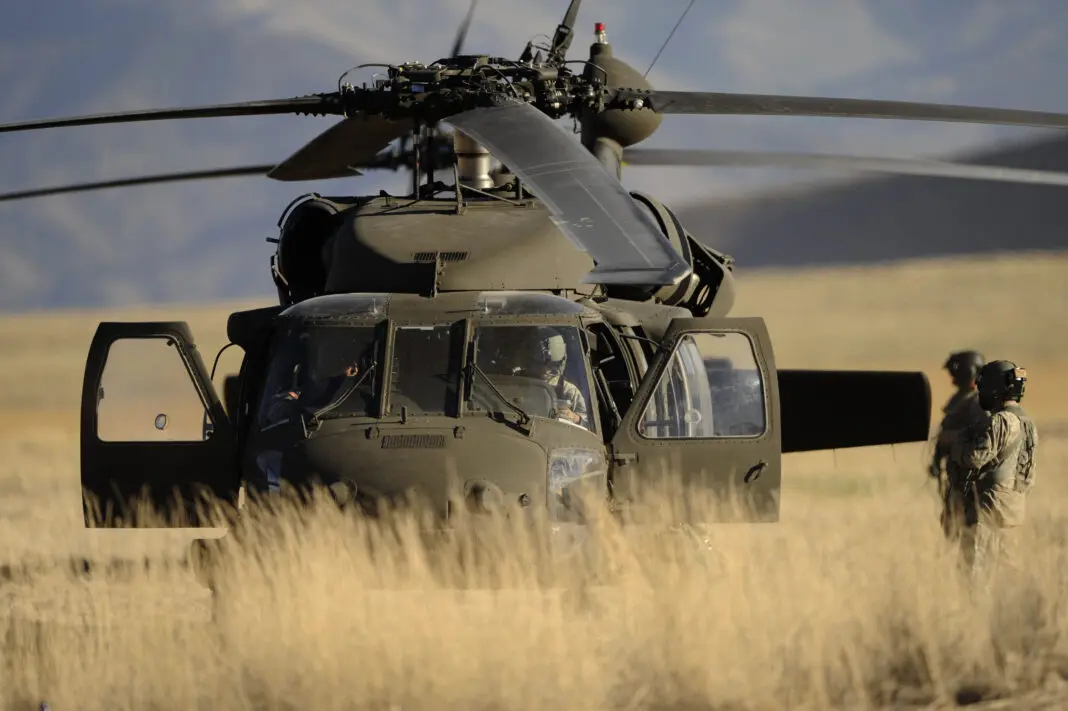
Seizing this opportunity, Israeli companies aim to purchase and modernize these aircraft to meet Argentine standards.
Their initial plan involves acquiring ten helicopters, with intentions to buy another ten subsequently.
This approach seeks to meet the Argentine Army Aviation Directorate’s operational requirements in the coming years.
Moreover, this purchase is part of a larger scheme to phase out obsolete equipment, including the now-defunct AS332 Super Puma helicopters.
Currently, this proposal is among several options the Argentine Army and Ministry of Defense are evaluating.
Israel Proposes Black Hawk Fleet to Modernize Argentine Army
Another alternative under consideration is integrating Black Hawks from the Presidential Fleet, along with two additional, yet unspecified units.
Although this strategy serves as a temporary measure, it indicates a broader goal to progressively enhance the Army’s capabilities, contingent on economic conditions.
The impact of these upgrades goes beyond simple replacements, promising to significantly boost the Army’s responsiveness.
This illustrates the strategic value of such military collaborations in strengthening national defense.
This article was produced by The Rio Times’ automated newsroom system. How we use AI · Report an error
Read More from The Rio Times