India and Pakistan Exchange Fire at Tense Border as Kashmir Attack Shakes Region
On April 25, 2025, Indian and Pakistani troops exchanged gunfire along the Line of Control, intensifying a crisis that began after militants killed 26 people at a tourist site in Pahalgam, Indian-administered Kashmir.
The Resistance Front, a group linked to Lashkar-e-Taiba, claimed responsibility for the attack, which marked the deadliest assault on civilians in Kashmir in 25 years.
Indian authorities identified three suspects—two Pakistanis and one Kashmiri—and detained over 1,500 people for questioning. The attack targeted tourists, including an Indian naval officer and a businessman with his family.
Survivors described the gunmen singling out victims and firing at close range. The violence shattered the region’s fragile calm, forcing businesses and schools to close temporarily, though they have since reopened.
India accused Pakistan of supporting the militants, a charge Pakistan denied. In response, India suspended a decades-old water-sharing treaty, closed a key border crossing, expelled Pakistani diplomats, and canceled visas for Pakistani nationals.
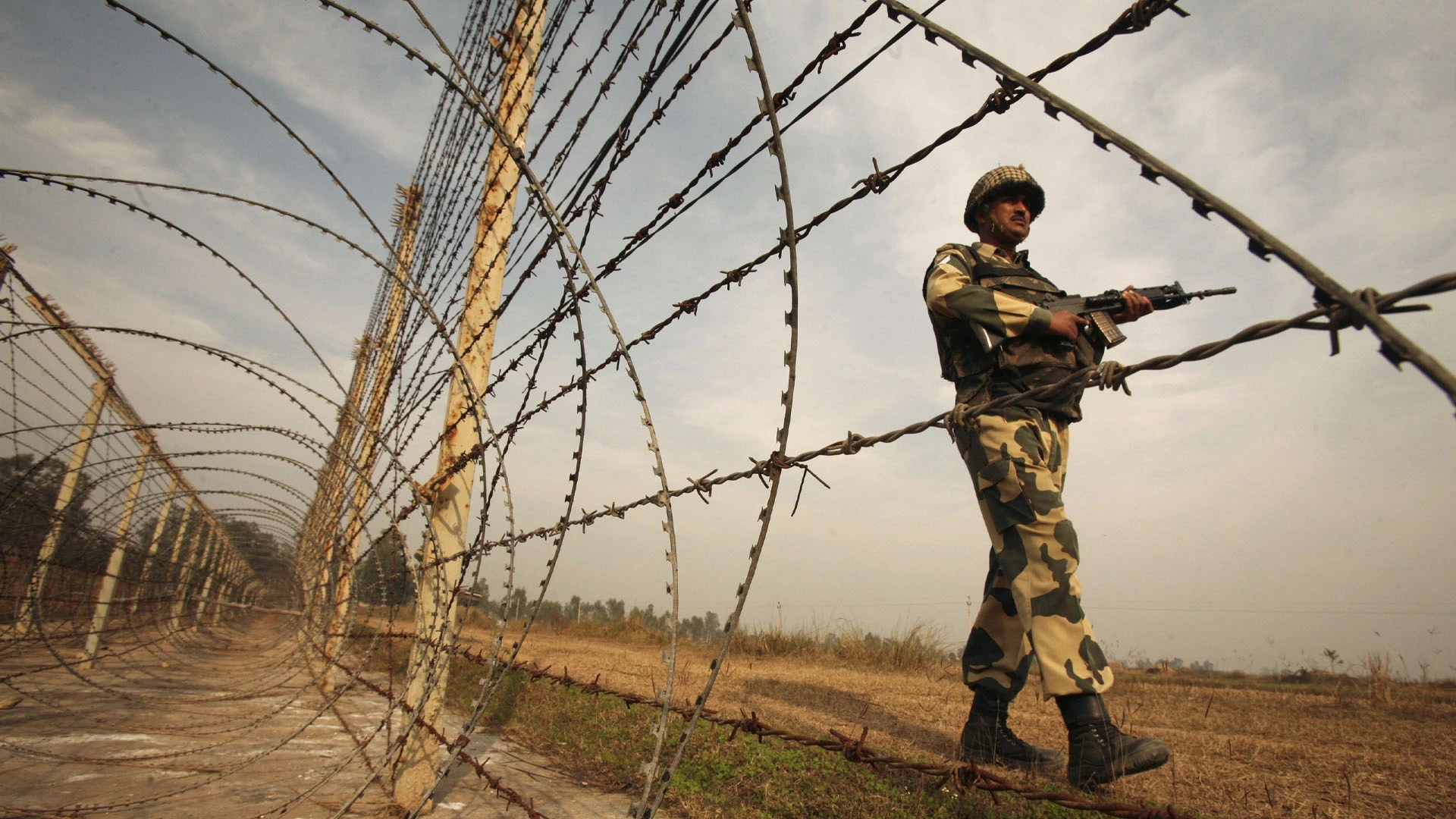
Pakistan retaliated by halting visas for Indians, closing its airspace to Indian flights, suspending trade, and expelling Indian diplomats. Both countries control parts of Kashmir but claim it in full, making the territory a flashpoint for repeated conflict.
The attack and subsequent diplomatic measures have disrupted cross-border trade and raised concerns about water security, as the Indus Waters Treaty underpins agriculture and industry for millions on both sides.
The United Nations called for restraint, but the situation remains volatile, with both governments under pressure to show resolve. The crisis has immediate implications for regional commerce and long-term risks for stability in South Asia. All details and figures in this article are verified facts.
This article was produced by The Rio Times’ automated newsroom system. How we use AI · Report an error · Editorial responsibility: Matthias Camenzind, Editor-in-Chief
Read More from The Rio Times