Portugal’s Fighter Jet Pivot: Gripen Gains Ground as Lisbon Drops F-35 Plans
Portugal has shifted its fighter jet procurement strategy, moving away from the American F-35A and opening negotiations with Sweden’s Saab for the JAS 39 Gripen.
This decision, confirmed by Saab’s CEO Micael Johansson in April 2025, follows Defense Minister Nuno Melo’s announcement in March that Portugal would cancel its planned acquisition of 27 to 28 F-35A jets.
The move marks a significant change in Lisbon’s defense priorities, driven by concerns over U.S. political reliability and operational autonomy under the current American administration.
The original F-35 plan, part of the Air Force 5.3 modernization program, would have cost Portugal €5.5 billion over 20 years, with deliveries starting seven years after contract signing.
The Portuguese Air Force Chief, General João Cartaxo Alves, had championed the F-35 as the only viable replacement for the country’s 28 aging F-16 jets.
However, the government’s position changed as officials highlighted risks tied to U.S. defense supply chains, including possible restrictions on use, maintenance, and spare parts.
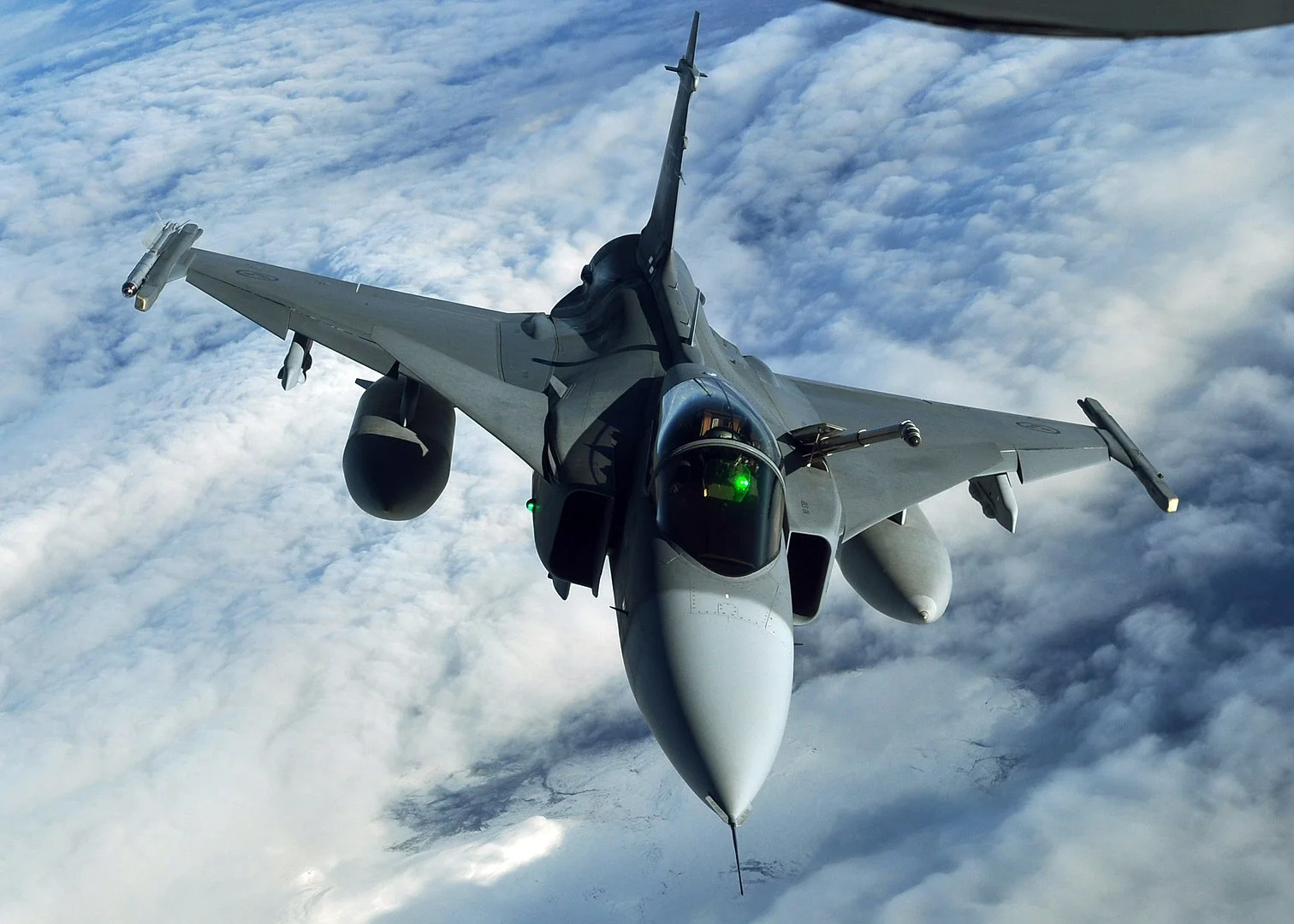
Portugal’s Shift in Fighter Jet Strategy
The ability of the U.S. to remotely disable the F-35 fleet through centralized logistics systems also raised concerns in Lisbon. Minister Melo emphasized the need for predictability and economic return.
He stated that shifting alliances and the unpredictability of U.S. policy could jeopardize Portugal’s operational security. He argued that European-made aircraft would offer more reliable support and potential industrial benefits for the country.
While the Air Force leadership has not fully abandoned the F-35, the government has made clear that European options are now under serious consideration. Portugal is now evaluating several European fighters, including the Eurofighter Typhoon, Dassault Rafale, and Saab Gripen.
The Gripen stands out for its lower acquisition and operating costs, estimated at $80–100 million per unit compared to $110–150 million for the F-35.
Saab’s willingness to offer flexible financing, technology transfer, and local industrial participation further strengthens its appeal. Portugal’s annual defense budget of around €4 billion makes cost-effectiveness a key factor.
No formal contract has been signed, but ongoing negotiations with Saab signal Portugal’s intent to secure a deal that prioritizes autonomy, economic benefit, and strategic alignment with European partners.
This shift reflects a pragmatic, mercantile approach to national defense procurement, focusing on minimizing risk and maximizing value for the country.
This article was produced by The Rio Times’ automated newsroom system. How we use AI · Report an error · Editorial responsibility: Matthias Camenzind, Editor-in-Chief
Read More from The Rio Times