World Court Rules Myanmar Committed Genocide
A small African state has won a landmark case at the world's top court. The finding of genocide is final, but what Myanmar owes the Rohingya is still to be settled.

Rohingya Ruling
The world’s top court has ruled that Myanmar committed genocide against its Rohingya minority, and a small West African country brought the case. On Thursday 19 November 2026 the International Court of Justice (ICJ), the United Nations’ main court in The Hague, found by 9 votes to 6 that Myanmar’s military carried out genocide.
The acts took place in the 2016-2017 “clearance operations” against the Rohingya, a mostly Muslim minority. The case was filed by The Gambia, which has no direct link to the events.
Key Facts
- Who. The Gambia, a West African state, against Myanmar over the Rohingya minority.
- What. The ICJ found Myanmar committed genocide; the finding is final, but payments are still to be set.
- Where. The Hague, Netherlands, for abuses in Myanmar's Rakhine region in 2016-2017.
- When. Judgment read Thursday 19 November 2026.
- As of. Saturday 21 November 2026, 10:00 a.m. GMT
A small African state has won a landmark case at the world's top court. The finding of genocide is final, but what Myanmar owes the Rohingya is still to be settled.
The case began in November 2019, when The Gambia filed it with the support of the Organisation of Islamic Cooperation (OIC), a 57-state group. Human Rights Watch (HRW), an international rights group, says this was the first time a country with no direct link to the alleged crimes used the 1948 Genocide Convention, the UN treaty that outlaws genocide, to bring such a case.
The court confirmed its jurisdiction on Friday 22 July 2022. Myanmar argued in the case that it ran counterinsurgency operations (fighting an armed rebel group) against the Arakan Rohingya Salvation Army, and that the campaign was a legitimate counterterrorism operation.
ICJ President Yuji Iwasawa spoke for the court in The Hague. HRW says it is the first time the ICJ has held a state responsible for committing genocide, and that the finding of genocide is final and cannot be appealed.
The court found that Myanmar’s security forces and other state organs intentionally killed people, caused serious bodily or mental harm, and imposed measures meant to prevent births. In HRW’s summary of the judgment, “the only reasonable inference” was genocidal intent.
The court also found that Myanmar broke its duties to prevent genocide and to punish it. It rejected the argument about counterinsurgency in direct terms.
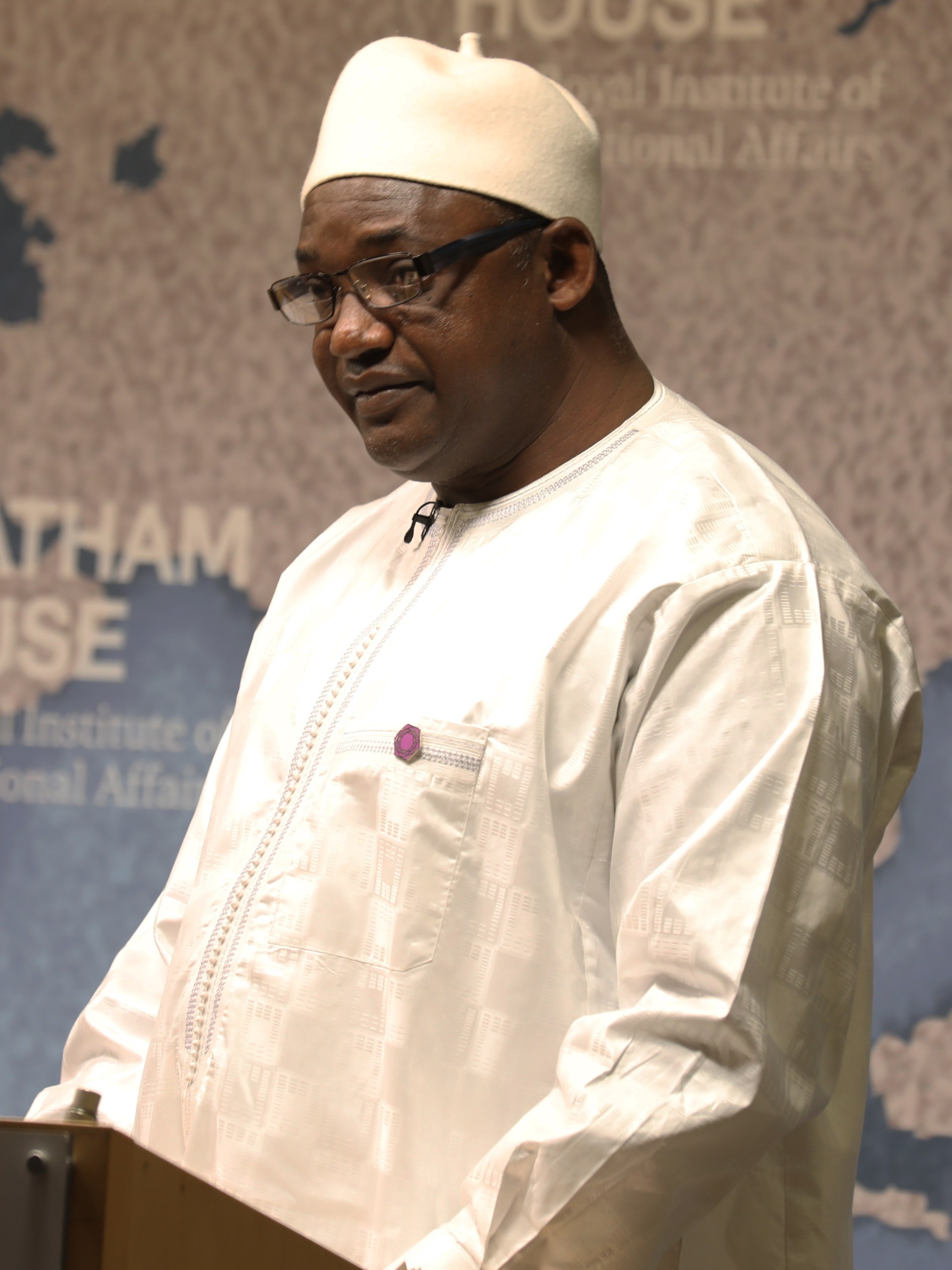
Iwasawa said: “The execution of Rohingya men and boys in some locations, the widespread sexual violence, the targeting of children and babies, the methodical burning of villages, and attacks on fleeing civilians are not consistent with an intent to conduct counterinsurgency operations.” For the court, the pattern of the violence ruled out the defence.
The judgment estimated that about 10,000 Rohingya were killed and cited estimates of up to 2,109 children under five dying. It found that 392 villages were burned in whole or in part.
HRW says more than 700,000 people fled to neighbouring Bangladesh from August 2017. The Gambian statement says of the survivors: “Their perseverance has today been vindicated.”
The court ordered Myanmar to stop ongoing violations, including its failure to pass laws and to investigate, prosecute and punish genocide. It must also give assurances that the crimes will not be repeated.
Myanmar must provide reparations (repair for the harm done), starting with restitution: a safe, voluntary and dignified return, and the reunification of families. Where that is impossible it must pay compensation, and The Gambia is entitled to seek reparations on behalf of Rohingya victims.
The Gambian government, in a statement from the State House, the Gambian presidency, in Banjul on 19 November, welcomed the judgment “with profound satisfaction”. President Adama Barrow paid tribute to the courage of Rohingya survivors and witnesses, and called on Myanmar to comply fully and without delay.
The statement also urged the UN, the OIC and the wider international community to support implementation. It praised Attorney General and Justice Minister Dawda A. Jallow, his predecessor Abubacarr M. Tambadou and their legal team for “seven years” of work.
Myanmar’s military-backed government had not responded on the day of the ruling. Its stated position in court, that it ran a legitimate counterterrorism operation, is the strongest counter-view on the record.
For readers abroad, a small African state has now set a legal precedent that also bears on other genocide cases. Antonia Mulvey, executive director of Legal Action Worldwide, a Geneva human rights group, said the ruling will affect cases such as South Africa’s against Israel, on questions like genocidal intent and state responsibility.
She added that “every case must ultimately be decided on its own evidence.” The Gambia’s role is explained in a Rio Times explainer on Gambia’s place in Africa and in our piece on Gambian geopolitics, with more on our Gambia page.
The ICJ has no police force of its own. If a state ignores a ruling, the other side can ask the UN Security Council, the UN’s top security body, to act.
The court left the amount of compensation to be settled later. It ordered Myanmar to report back within two years, by November 2028, on the restitution measures it has taken and on the amount and terms of compensation.
Frequently Asked Questions
Can Myanmar appeal the ruling?
No. According to Human Rights Watch, the finding of genocide is final and cannot be appealed, although reparations are still to be settled.
What must Myanmar do now?
It must stop ongoing violations, give assurances that they will not be repeated, and report within two years on restitution and compensation. That includes a safe return for Rohingya.
Why did The Gambia bring the case?
The Gambia is a member of the Genocide Convention, and the court accepted that a state with no direct link to the crimes may sue under it. It acted with the support of the Organisation of Islamic Cooperation.
Sources: International Court of Justice, judgment of 19 November 2026, The Gambia v. Myanmar, case 178; Human Rights Watch statement, 19 November 2026; Government of The Gambia, State House statement, 19 November 2026.
This article was produced by The Rio Times’ automated AI newsroom. Editorial responsibility: Matthias Camenzind, Publisher and Editor-in-Chief. The Rio Times also runs Ask Rio Times, which answers from 100,000+ of our own articles, the daily Latin America Power Map, and prediction-market odds on elections and markets.. How we use AI · Report an error