Historic Waterway Reborn: São Paulo and Paraná’s Joint Tourism Venture
The governments of São Paulo and Paraná are joining forces to breathe new life into the Varadouro Canal, a 70-year-old waterway connecting their coastal regions.
This six-kilometer channel, linking Paranaguá in Paraná to Cananeia in São Paulo, has been dormant for over three decades due to siltation. The project aims to transform the canal into a vibrant tourist route, showcasing the region’s natural beauty.
The waterway winds through mangroves and the Atlantic Forest. It offers visitors a chance to experience one of Brazil‘s most pristine coastal areas.
Plans include widening the canal to 30 meters and deepening it to 2.4 meters. These changes will allow for yacht and tourist boat passage.
The revitalized canal will feature 160 nautical signaling points and support facilities, enhancing safety and convenience for travelers.
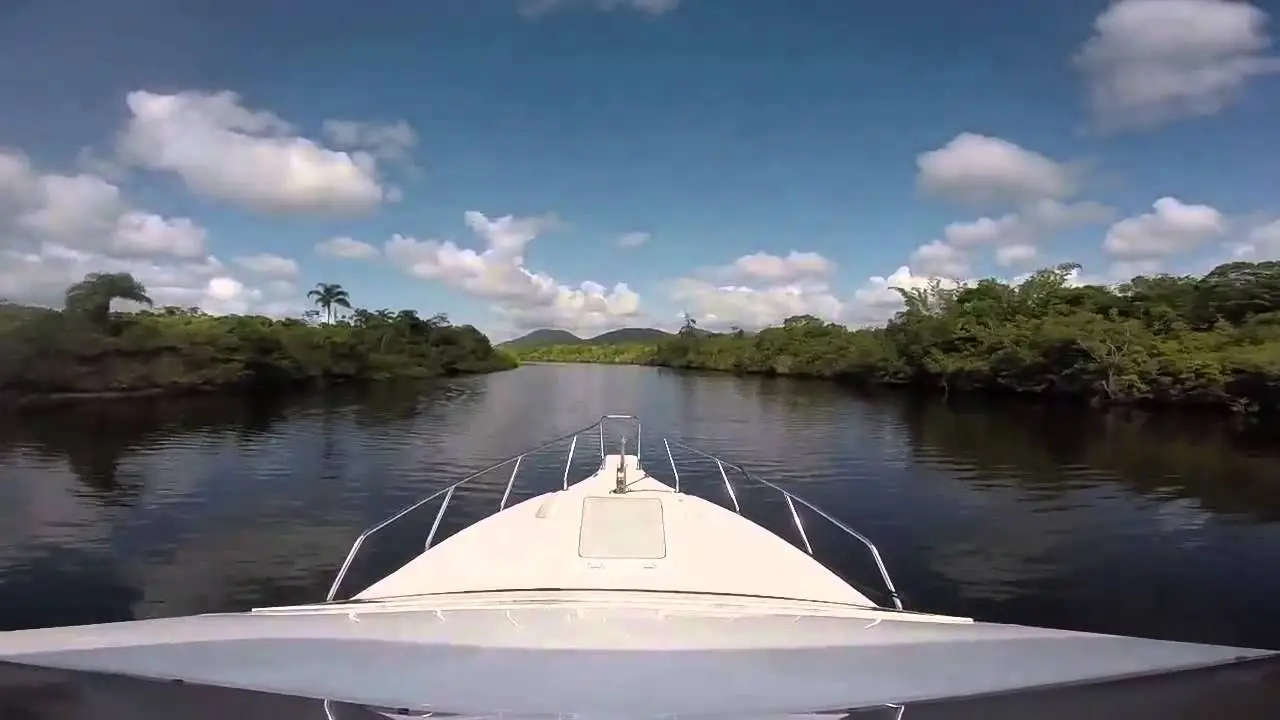
This initiative taps into the significant nautical tourism potential of both states. São Paulo boasts Brazil’s largest nautical fleet with 181,000 vessels, while Paraná ranks third with 95,100.
Nearly half of these boats are suitable for tourism, indicating a ready market for the new attraction. The canal project complements existing tourism draws in the region.
Visitors can explore nearby attractions like Superagui National Park and Ilha do Mel State Park. Both parks offer rich biodiversity and pristine beaches.
The historic train ride from Curitiba to the coast traverses the Serra do Mar and could serve as a spectacular prelude to a canal tour. This scenic journey enhances the overall experience for travelers.
By reviving this historic waterway, São Paulo and Paraná aim to create a unique attraction that showcases the region’s natural wonders and rich history.
The Varadouro Canal project represents a promising opportunity for sustainable tourism development and interstate cooperation in southern Brazil.
This article was produced by The Rio Times’ automated newsroom system. How we use AI · Report an error · Editorial responsibility: Matthias Camenzind, Editor-in-Chief
Read More from The Rio Times