EU Suspends Brazilian Meat as Mercosur Quota Fight Drags On
Brazil · TRADE
Key Facts
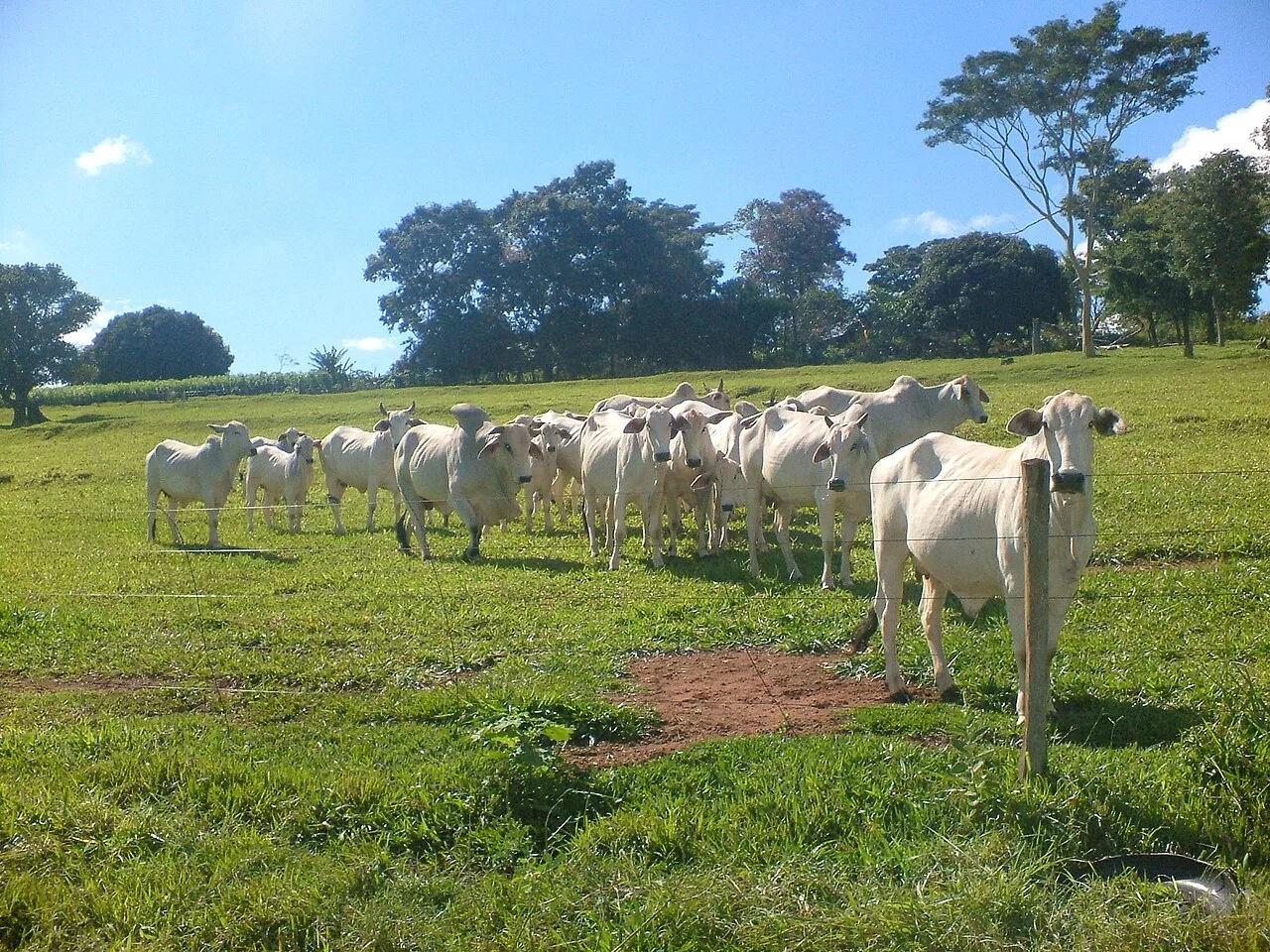
- —What happened The European Union suspended imports of Brazilian beef, poultry, eggs, and honey starting September 3, 2026.
- —The scale Brazil sold Europe about 368,000 metric tons of meat last year, worth roughly US$1.8 billion.
- —What it means Brazilian companies can no longer ship those products to the EU until Brazil proves compliance.
- —The catch Dairy, pork, and sheep meat are unaffected — this ban is only about antibiotics, not food safety.
- —Who’s affected The suspension hits big processors like JBS and Minerva, plus Mercosur neighbors fighting over quotas.
- —What’s next Mercosur ministers will try again within 60 days to split a shared quota for EU beef.
Runoff · Sunday, 25 October
Brazil Runoff 2026: Lula vs Flávio
Date, polls, debates, odds and how the runoff works, updated every day.
Brazil runoff polls · Polymarket and Kalshi odds · When results come
Prediction markets · who wins the runoff
Implied chance of winning Brazil’s presidency on 25 October, from traders’ prices.
Polymarket
Flávio Bolsonaro 79.3% · Lula 20.5% (US$188 million traded)
Kalshi (regulated in the US by the CFTC)
Flávio Bolsonaro 80% · Lula 21%
As of 18 October, 7:40 pm ET (00:40 Lisbon), updated every 20 minutes. Prices are bets, not polls, and can move fast.
Why we show this: prediction markets turn real-money bets into a live probability that moves within minutes of the news, which is why investors, campaigns and newsrooms in the United States now follow them closely. We show them next to polls and official results, never instead of them.
The EU has suspended Brazilian meat imports over antibiotics, just as Mercosur failed again to split its own beef quota.
A new European Union rule has shut Brazilian beef out of Europe. It took effect on Thursday, September 3, 2026.
The day before, Mercosur’s trade ministers had failed again to agree on splitting the bloc’s own EU beef quota. Brazil is caught in both disputes at once.
A Rule Years in the Making
The suspension is not sudden. It comes from an EU antibiotics rule that has applied to European farmers since 2022.
The rule bans antibiotics used only to fatten animals faster. It also bans certain drugs that doctors need to treat sick people.
Regulators call this a “mirror measure.” It means imported meat must follow the same rules as EU-grown meat.
Health officials worldwide worry about antibiotic overuse on farms. Resistant bacteria can jump from livestock to people, making common infections harder to treat.
Why Brazil Fell Off the List
EU experts voted to drop Brazil from its approved suppliers list on May 12, 2026. The European Commission made that decision official on June 4.
Brazil could not prove that its cattle went their whole lives without banned antibiotics. Poultry and honey producers supplied enough paperwork to keep talking with regulators.
Cattle live for years before slaughter, so tracking a lifetime of drug use is hard. That makes compliance far tougher for beef than for other products.
Chickens and bees have much shorter production cycles than cattle. Their paperwork was easier to finish in time.
The ban covers beef, poultry, eggs, honey, and a few other animal goods. Dairy, pork, and sheep meat are not affected at all.
This is not a food-safety recall. It is a paperwork problem over antibiotic use.
How Much Money Is on the Line
Brazil sold Europe about 368,000 metric tons of meat in 2025. That trade was worth close to US$1.8 billion, according to Brazilian export data.
Beef was the biggest piece of that trade, worth roughly US$1.05 billion on its own. Big exporters JBS, Minerva, and MBRF processed much of it.
Europe pays premium prices for beef cuts like tenderloin and ribeye. Losing that market for even a few months costs Brazilian ranchers valuable contracts.
Mercosur’s Own Quota Fight
Brazil’s neighbors are also arguing over EU beef sales. The EU-Mercosur trade deal set a shared beef quota that grows to 99,000 tons a year by 2031.
That quota carries a much lower tariff than usual. A tariff is simply a tax on goods crossing a border.
Brazil, Argentina, Paraguay, and Uruguay cannot agree on shares. Paraguay wants an equal 25% for each country.
Argentina and Uruguay want shares based on each country’s past export totals. Brazil wants a share based on its size in world beef trade.
Demand for the quota is intense. Uruguay’s meat institute said the 2026 chilled-beef quota sold out by July 9.
Requests for that quota were running about six times higher than the supply. That shows how much is at stake for every member.
Argentina, Brazil, and Uruguay reached a tentative split back in June. Paraguay was left out of that arrangement.
That deal was never formally ratified by Mercosur’s governing bodies. Paraguay has objected to being excluded.
No Deal Yet, Again
Mercosur’s trade ministers met in Montevideo, Uruguay, on September 2. They left without a deal, extending months of disagreement.
Uruguay’s Foreign Minister Mario Lubetkin said countries are closer on some points, farther apart on others. He confirmed no final deal had been reached, Prensa Latina reported.
Small members have real money riding on the outcome. Uruguay alone earned roughly US$27 million from EU trade preferences between May and August 2026.
Technical teams will keep negotiating the split behind closed doors. Ministers plan to meet again within 60 days to try once more.
What Happens Next
Brazil needs fresh proof that its cattle meet EU antibiotic rules to get relisted. Abiec, Brazil’s beef exporters group, has warned full compliance could take two to three years.
Meanwhile, Mercosur’s quota fight adds pressure on export planning for 2027. Both disputes now hinge on decisions that are still weeks or months away.
The irony is hard to miss. Brazil wants a bigger slice of EU beef sales.
Its own beef sits barred from that market for now. Both fights could shape Brazil’s trade position well into 2027.
More: Brazil news in English, every day from The Rio Times.
Background: Brazil Focus Survey Shows Weaker Growth, Sticky Inflation.
Background: our brazil population guide.
Frequently Asked Questions
What is a “mirror measure”?
It is an EU rule that makes imported meat follow the same antibiotic rules as EU-grown meat. The goal is to stop drug-resistant bacteria from spreading through food.
Why is dairy not part of the ban?
Regulators left dairy out of this suspension, along with pork, sheep, and goat meat. Only beef, poultry, eggs, honey, and a few other items are covered.
Which companies does the suspension affect?
Major Brazilian meatpackers JBS, Minerva, and MBRF export beef to the EU, and JBS and MBRF also ship poultry. All three face the new restrictions starting September 3, 2026.
What is the Mercosur beef quota dispute about?
The EU-Mercosur trade deal set a beef quota for cheaper exports that grows to 99,000 tons a year. Brazil, Argentina, Paraguay, and Uruguay disagree on how to split it among themselves.
When could Brazil regain access to the EU market?
There is no set date yet. Brazil must first prove its cattle supply chain meets the EU’s antibiotic rules.
Sources: European Commission, Euronews, Agence Europe, MercoPress, Prensa Latina, and the Brazilian Beef Exporters Association (Abiec).
This article was drafted with automated assistance and reviewed before publication. How we use AI · Report an error · Editorial responsibility: Matthias Camenzind, Editor-in-Chief