
Key Facts
—Quota Ethiopia’s IMF quota is SDR 300.7 million (roughly US$400 million), a share set long before its economy grew.
—Reform The IMF says it is exploring a quota realignment, possibly with a new formula, but no decision has been taken.
—Loan Ethiopia’s four-year IMF programme is worth SDR 2.556 billion (about US$3.4 billion), and about US$2.65 billion has been paid out.
—Next review Talks on the next loan review are expected in November 2026, with a Board decision in early 2027.
—G-24 The G-24 group of developing countries asks to protect the quota of the smallest and poorest members.
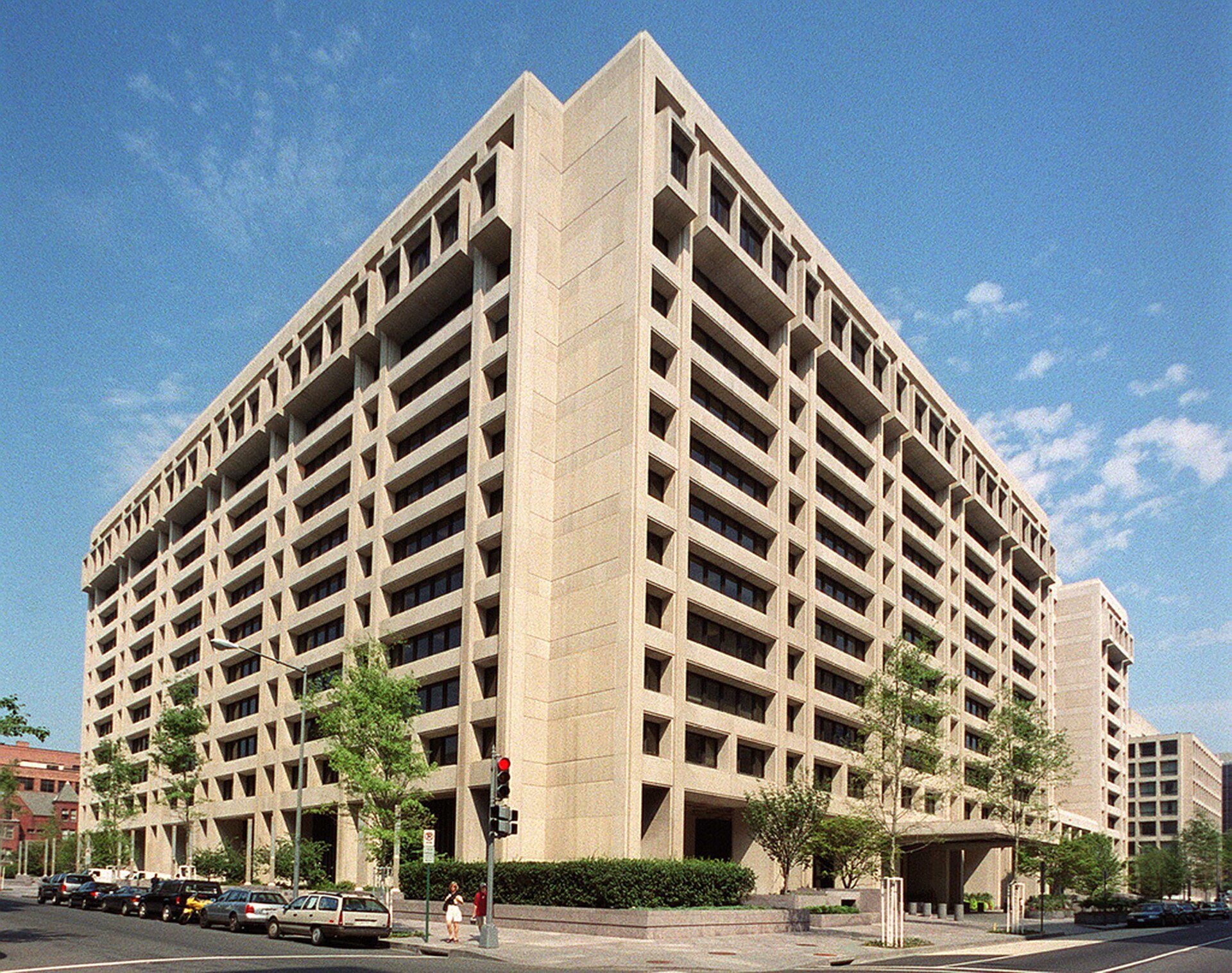
The International Monetary Fund (IMF) is exploring a reform of its quota system that could give Ethiopia a bigger share and louder voice in the Fund. A group of developing countries, the G-24, says any new formula must also protect the smallest and poorest members.
For US readers, the debate decides how much weight fast-growing African economies get in an institution the United States leads as its biggest shareholder. It also shapes who can borrow from the Fund and on what terms.
Ethiopia’s Share Lags Its Growth
A quota sets a member’s financial contribution, its voting power and its access to IMF loans. Ethiopia’s stands at SDR 300.7 million (roughly US$400 million), a figure that reflects the weight of its economy years ago.
Zeine Zeidane, who has led the IMF’s African Department since April, said Ethiopia has been growing fast for two decades. “If there is a new formula, it’s likely that Ethiopia will be one of those benefiting,” he said.
G-24 Asks for Protection of the Poorest
Iyabo Masha, who heads the G-24 Secretariat, said the group is calling for “protection of the quota of the smallest and the poorest member”. She also noted that three or four G-24 members rank among the world’s ten largest economies, so the bloc itself is split between fast growers and small members.
The IMF’s governing committee endorsed guiding principles for a realignment in April 2026. The last general review, the 16th, ended in December 2023 without a new formula.
Loan Programme Continues
Ethiopia’s four-year Extended Credit Facility is worth SDR 2.556 billion (about US$3.4 billion), or 850% of its quota. The Board approved it on 29 July 2024.
On 1 July 2026 the Board completed the fifth review and released about US$464 million, bringing total payments to about US$2.647 billion. It also brought forward about US$200 million to ease external financing pressure.
The sixth review could start from 15 October 2026, which the IMF calls the earliest window rather than a deadline. An IMF spokesperson said talks are expected in November, with a Board decision in early 2027.
Tension on the Horn of Africa
A separate backdrop is the dispute between Ethiopia and Eritrea. On Wednesday, 14 October, US Secretary of State Marco Rubio spoke by phone with Prime Minister Abiy Ahmed and urged restraint and dialogue.
The State Department said all countries in the Horn of Africa must respect their neighbours’ sovereignty and territorial integrity. The IMF debate is not linked to that dispute in any source we found.
What It Means for US Readers
The United States holds the largest quota of any IMF member, so any new formula moves its share too. A larger Ethiopian voice would also change how Washington and its partners negotiate over African debt and lending.
Ethiopia’s programme also shows the IMF still lends large sums to a country with heavy debt and external pressure. US firms and lenders following Ethiopia’s restructuring will watch the next review closely.
What Is Not Known
No new quota formula has been agreed, and the size of any Ethiopian increase has not been published. It is unclear which measures of economic weight, such as output, reserves or trade, a final formula would use.
Neither the Ethiopian government nor neighbouring states have commented publicly on the reform, according to the reports we reviewed. The Board date for the sixth review has not been set.
Sources
The Reporter Ethiopia · IMF press release 26/235 · IMF: members’ quotas · IMF: Zeine Zeidane · Ahram Online
This article was produced by The Rio Times’ automated newsroom system. How we use AI · Report an error · Editorial responsibility: Matthias Camenzind, Editor-in-Chief
Horn of Africa and the Red Sea
- Horn of Africa 2026: Why It Matters and Who Backs Whom
- Ethiopia’s Neighbors Explained, Ports, Eritrea, Somalia
- Eritrea Explained 2026, a Red Sea Country Guide
- Somalia Explained: Al-Shabaab, Somaliland, the Ports and the Fight Over a 2026 Vote
Frequently Asked Questions
What is an IMF quota?
A quota is a member country’s share in the Fund. It sets how much the country contributes, how many votes it holds and how much it can borrow.
Why could Ethiopia gain from a new formula?
The IMF’s African Department director says Ethiopia has grown fast for two decades while its quota stayed small. A new formula would likely raise its share.
What does the G-24 want?
The G-24 asks to protect the quota of the smallest and poorest members. Some of its own members are also among the ten largest economies.
When is Ethiopia’s next IMF review?
The IMF expects talks in November 2026, with a Board decision in early 2027. The earliest window for the sixth review opened on 15 October.