Comoros Reaches IMF Deal for US$9.6 Million
Comoros raised fuel prices on the day it agreed corrective steps with IMF staff. Final approval now rests with the IMF Executive Board.

Comoros and the IMF
On Wednesday 25 November 2026, staff of the International Monetary Fund (IMF) and the authorities of Comoros reached a staff-level agreement on two reviews of a loan programme. If the IMF’s Executive Board, which represents its member countries, approves, the Indian Ocean island state would receive SDR 7.12 million (about US$9.56 million).
The SDR, or Special Drawing Right, is the IMF’s unit of account. The money comes from the Extended Credit Facility (ECF), the IMF’s concessional lending window for low-income countries.
Key Facts
- Who. IMF staff and Comoros officials, after a mission led by the IMF’s Ruud Vermeulen.
- What. Staff-level deal on two reviews, opening SDR 7.12 million (about US$9.56 million).
- Open. No date for the Executive Board vote has been announced.
- As of. 28 November 2026, 04:50 GMT.
Comoros raised fuel prices on the day it agreed corrective steps with IMF staff. Final approval now rests with the IMF Executive Board.
The programme began on 1 June 2023, when the IMF Executive Board approved a four-year ECF arrangement worth SDR 32.04 million (about US$43 million), according to IMF press release 23/194. The fifth review was completed on 11 February 2026 with a payout of SDR 3.56 million, IMF press release 26/045 says.
The new tranche equals about 22% of the full SDR 32.04 million arrangement. Total disbursements under the programme would reach about US$38.13 million, the IMF said in its statement of 25 November 2026.
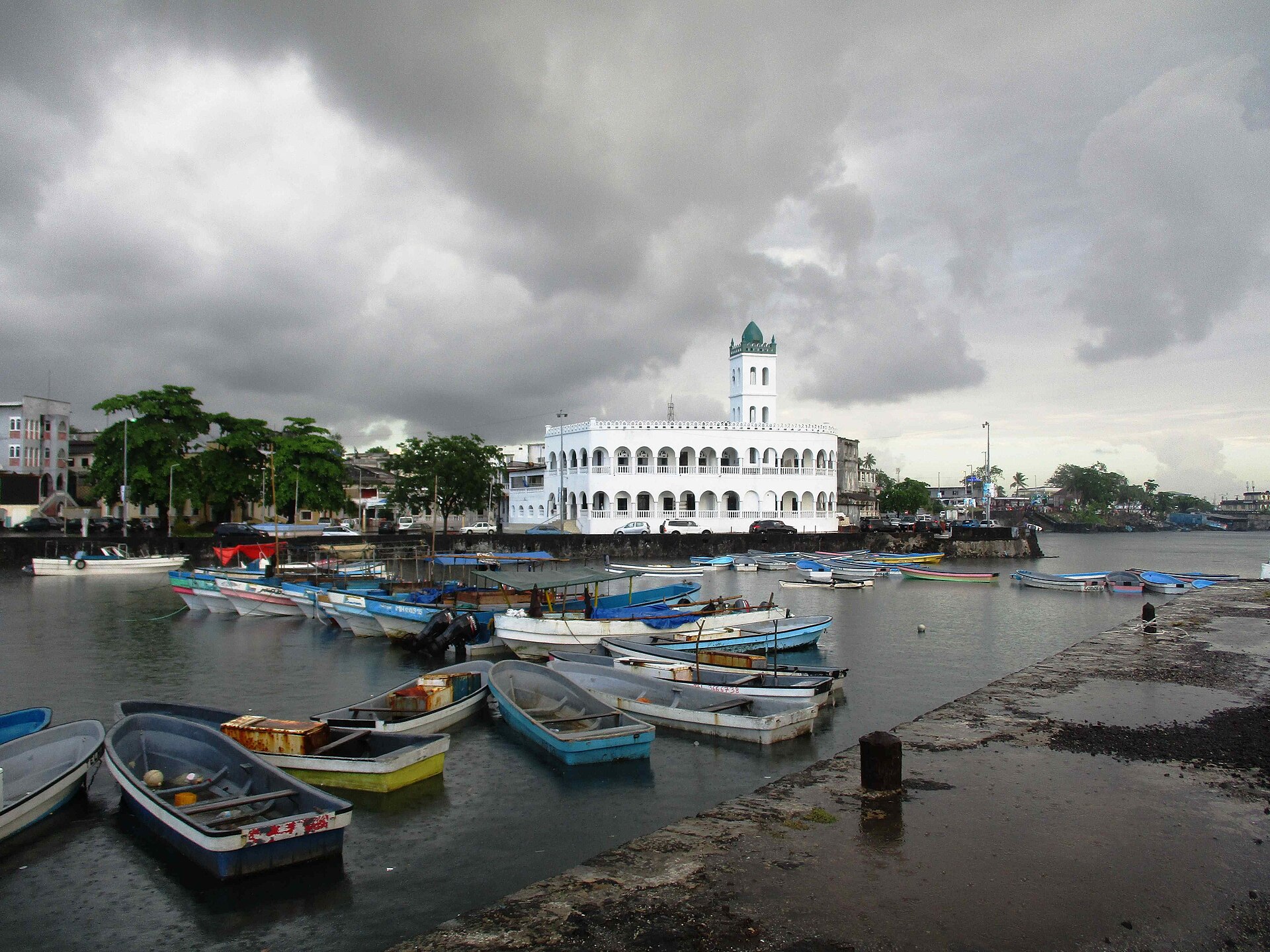
An IMF mission led by Ruud Vermeulen, its mission chief for Comoros, visited Moroni, the capital, from 21 October to 3 November 2026. Talks continued remotely until the agreement was reached on 25 November, the IMF said.
The IMF named the headwinds as the fuel price shock, uncertainty around some public policies, delays in applying corrective measures and spending on the 2027 Indian Ocean Island Games, a regional multi-sport event. These delays held up the sixth review, so the IMF and the authorities merged the sixth and seventh reviews and reset the targets.
Results at end-June 2026 improved, the IMF said, as the authorities met all quantitative performance criteria, the numerical targets set in the programme, except tax revenue. They also hit the target for the domestic primary balance, the budget balance before interest.
Yet new domestic and external arrears, meaning unpaid bills, built up during the period. Only two of five structural benchmarks, reform milestones written into the programme, were met between mid-February and end-October 2026.
Retail fuel prices rose on 25 November 2026, the day of the deal, to cut losses at the Société comorienne des hydrocarbures (SCH), the state fuel importer. The IMF adds that a larger increase in May was suspended after social unrest.
Vermeulen said the draft 2026 supplementary budget law provides for a transfer to the SCH, new tax revenue measures and better inclusion of Games spending. He added that the authorities are working to clear the external arrears accumulated since July.
For 2027 the government plans further tax measures aimed at a downward path for public debt, the IMF said. The authorities also promised to strengthen debt and cash management.
The agreement is staff-level, meaning it is not final until the Executive Board votes. The statement does not say how large the fuel price rise is or how big the transfer to the SCH will be.
The IMF statement gives no date for the board vote. The Games spending, which the IMF named among the headwinds, is now part of the draft supplementary budget.
More: Comoros news in English, every day from The Rio Times.
Frequently Asked Questions
What is a staff-level agreement?
It is a deal between IMF staff and a government that still needs approval from the IMF Executive Board. Money is paid only after that vote.
Why did Comoros raise fuel prices?
The IMF says the rise is meant to cut losses at the state fuel importer. It is one of the corrective measures behind the deal.
Why were two reviews merged?
Headwinds such as the fuel price shock and Games spending delayed the earlier review. The IMF and the authorities combined the two and reset the targets.
Sources
International Monetary Fund (IMF), statement of 25 November 2026; IMF press release 23/194 of 1 June 2023; IMF press release 26/045 of 11 February 2026.
This article was produced by The Rio Times’ automated AI newsroom. Editorial responsibility: Matthias Camenzind, Publisher and Editor-in-Chief. The Rio Times also runs Ask Rio Times, which answers from 100,000+ of our own articles, the daily Latin America Power Map, and prediction-market odds on elections and markets.. How we use AI · Report an error
Part of our ongoing coverage
Africa: The New Scramble — the great-power contest over the continent.