IBOV 180,767.74 ▲ 1.89% IPSA 11,315.26 ▼ 1.14% IPC MEX 65,314.78 ▼ 0.18% MERVAL 3,040,031 ▲ 0.20% COLCAP 2,473.24 ▲ 1.99% BVL PERÚ 59,450.29 ▲ 0.01% USD/BRL5.15▼ 0.62% USD/MXN17.00▲ 0.02% USD/CLP936.84▲ 0.28% USD/COP3,162▼ 1.23% USD/PEN3.36▼ 0.24% USD/ARS1,513▲ 0.25% USD/UYU40.24▲ 0.68% USD/PYG5,873▲ 0.47% USD/BOB12.08▲ 3.98% USD/DOP58.55▲ 0.36% USD/CRC446.47▲ 1.09% USD/GTQ7.62▲ 1.63% USD/HNL26.84▲ 1.11% USD/NIO36.62▲ 0.14% USD/VES796.33▼ 0.13% USD/PAB1.00— 0.00% USD/BZD2.00— 0.00% USD/JMD 157.28 — 0.00% USD/TTD6.69▼ 0.06% EUR/BRL5.97▼ 0.67% BRENT 88.88 ▼ 0.03% WTI 83.11 ▼ 0.11% IRON ORE 161.91 — — COPPER 6.61 ▲ 0.03% GOLD 4,461 ▲ 1.78% SILVER 65.59 ▲ 1.26% SOY 1,184 ▲ 3.20% CORN 480.50 ▲ 10.02% WHEAT 655.00 ▲ 3.93% COFFEE 317.25 ▼ 5.51% SUGAR 16.43 ▼ 1.79% ORANGE JUICE 138.55 ▼ 0.47% COTTON 85.03 ▲ 2.33% COCOA 5,719 ▲ 3.18% BEEF 223.60 ▼ 3.93% CATTLE 339.10 ▼ 3.16% LITHIUM 75.20 ▲ 1.47% PETR4 41.64 ▼ 0.05% VALE3 72.97 ▲ 0.83% ITUB4 38.60 ▼ 1.03% BBDC4 16.85 ▲ 0.36% ABEV3 14.89 ▼ 0.80% BBAS3 19.37 ▲ 0.47% B3SA3 14.26 ▼ 0.21% WEGE3 47.59 ▲ 0.49% PRIO3 59.14 ▼ 0.19% SUZB3 41.33 ▲ 2.35% RENT3 34.68 ▼ 0.09% AZZA3 15.89 ▼ 2.63% CSAN3 3.22 ▼ 1.83% RAIZ4 0.25 — 0.00% PCAR3 2.75 ▼ 0.36% GMAT3 3.65 ▼ 1.08% PSSA3 48.13 ▼ 0.54% CVCB3 1.33 ▼ 2.92% POSI3 3.36 ▲ 2.44% SLCE3 13.34 ▲ 0.30% NATU3 8.14 ▼ 0.73% IBOV 180,767.74 ▲ 1.89% IPSA 11,315.26 ▼ 1.14% IPC MEX 65,314.78 ▼ 0.18% MERVAL 3,040,031 ▲ 0.20% COLCAP 2,473.24 ▲ 1.99% BVL PERÚ 59,450.29 ▲ 0.01% USD/BRL 5.16 ▲ 0.01% USD/MXN 17.06 ▼ 0.24% USD/CLP 913.98 ▲ 0.04% USD/COP 3,140 ▲ 0.03% USD/PEN 3.36 ▼ 0.66% USD/ARS 1,493 ▲ 0.10% USD/UYU 40.27 ▲ 1.24% USD/PYG 5,939 ▲ 1.68% USD/BOB 11.64 ▼ 0.76% USD/DOP 58.34 ▲ 1.25% USD/CRC 445.92 ▲ 0.89% USD/GTQ 7.62 ▲ 2.21% USD/HNL 26.79 ▲ 1.57% USD/NIO 36.62 ▲ 0.69% USD/VES 762.44 ▼ 0.13% USD/PAB 1.00 — 0.00% USD/BZD 2.00 — 0.00% USD/JMD 157.28 — 0.00% USD/TTD 6.70 ▲ 0.61% EUR/BRL 5.95 ▲ 1.01% BRENT 88.88 ▼ 0.03% WTI 83.11 ▼ 0.11% IRON ORE 161.91 — — COPPER 6.61 ▲ 0.03% GOLD 4,461 ▲ 1.78% SILVER 65.59 ▲ 1.26% SOY 1,184 ▲ 3.20% CORN 480.50 ▲ 10.02% WHEAT 655.00 ▲ 3.93% COFFEE 317.25 ▼ 5.51% SUGAR 16.43 ▼ 1.79% ORANGE JUICE 138.55 ▼ 0.47% COTTON 85.03 ▲ 2.33% COCOA 5,719 ▲ 3.18% BEEF 223.60 ▼ 3.93% CATTLE 339.10 ▼ 3.16% LITHIUM 75.20 ▲ 1.47% PETR4 41.64 ▼ 0.05% VALE3 72.97 ▲ 0.83% ITUB4 38.60 ▼ 1.03% BBDC4 16.85 ▲ 0.36% ABEV3 14.89 ▼ 0.80% BBAS3 19.37 ▲ 0.47% B3SA3 14.26 ▼ 0.21% WEGE3 47.59 ▲ 0.49% PRIO3 59.14 ▼ 0.19% SUZB3 41.33 ▲ 2.35% RENT3 34.68 ▼ 0.09% AZZA3 15.89 ▼ 2.63% CSAN3 3.22 ▼ 1.83% RAIZ4 0.25 — 0.00% PCAR3 2.75 ▼ 0.36% GMAT3 3.65 ▼ 1.08% PSSA3 48.13 ▼ 0.54% CVCB3 1.33 ▼ 2.92% POSI3 3.36 ▲ 2.44% SLCE3 13.34 ▲ 0.30% NATU3 8.14 ▼ 0.73%
since 2009
Tuesday, September 1, 2026

Colombia’s Energy Sovereignty at Risk Amid Hydrocarbon Policy Shift

By · July 3, 2024 · 2 min read

Daily Brief

The morning intel from across Latin America. Free.

By subscribing you agree to our privacy policy. We never share your email.

The Petro administration’s halt on new hydrocarbon exploration contracts has sparked a debate on Colombia’s energy sovereignty. This policy could have major future implications.

Ecopetrol recently revealed a strategy to secure gas supplies until 2034. The plan predicts an 83 Gbtud shortfall by 2025, with 61 Gbtud covered by domestic sources.

Another 100 Gbtud will come from imports via regasification and possibly the Antonio Ricaurte pipeline from Venezuela.

From 2029 on, offshore discoveries like Uchuva, Gorgon, and Glaucus will boost gas supply.

These Caribbean finds could add 4 to 12 trillion cubic feet of gas. This could potentially triple current reserves. Luz Stella Murgas, Naturgas president, stressed Ecopetrol’s crucial role.
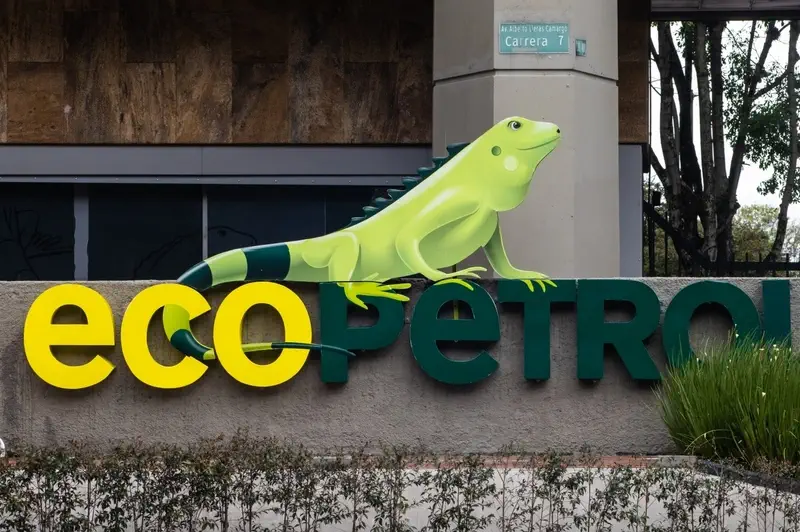
Colombia's Energy Sovereignty at Risk Amid Hydrocarbon Policy Shift
Colombia’s Energy Sovereignty at Risk Amid Hydrocarbon Policy Shift. (Photo Internet reproduction)
One-stop reference
Company Intelligence
Every listed company in Latin America — financials, ownership and structure for 1,450+ companies across 26 exchanges, in one place.
Browse the directory →
RT
Ask Rio Times
17 years of Latin America reporting, on demand.
Open the full Ask Rio Times →

She highlighted its importance in supplying gas to 36 million Colombians and the industrial sector, which needs more gas for decarbonization and efficiency.

Corficolombiana warns that current hydrocarbon production improvements might not ensure future stability. Production increases mainly come from two fields, Caño Sur Este and Índico.

These fields contributed 42% and 22%, respectively, to the 86,000 barrels per day increase from May 2020 to April 2024.

Murgas emphasized the need to prioritize gas development, accelerate exploration, and enable viable external sources. This ensures reliable and competitive short- and medium-term supply.

Colombia Faces Energy Challenges

Corficolombiana also notes a decline in the number of oil-producing fields. The number fell from 417 in 2019 to 342 in 2024.

Among these, 156 fields increased output since 2020, while 186 decreased. The hydrocarbon sector has not fully recovered to pre-pandemic levels.

Oil and gas production remains 12% below pre-pandemic levels. Oil production in 2024 is expected to average 783,000 barrels per day.

Murgas believes offshore exploration could expand Colombia’s gas potential and maintain self-sufficiency in the medium and long term.

Achieving this requires overcoming regulatory and logistical challenges through collaboration between the government and private sector.

In 2023, Colombia‘s proven oil reserves fell by 54 million barrels, reducing reserve life from 7.5 years in 2022 to 7.1 years.

In addition, this rapid depletion highlights the need for new discoveries to match production.

Gas reserves also dropped in 2023, revealing structural issues in the sector. Exploration investment fell by 4%, exploratory drilling decreased by 45%, and seismic activity dropped by 28%.

Corficolombiana cites government disincentives and the refusal to award new exploration contracts as creating an uncertain investment climate.

Without new exploration investments, reserves will deplete faster, risking energy sovereignty. Colombia began importing gas in late 2023 due to declining local production and rising demand.

By April, imports from the United States and Trinidad and Tobago made up 30% of the total gas supply. From January to May 2024, gas demand rose 21.1% annually.

Higher consumption from thermal power plants due to lower reservoir levels during El Niño drove this increase.

This article was produced by The Rio Times’ automated newsroom system. How we use AI · Report an error

Read More from The Rio Times

The Rio Times · Power Map
See who really holds power in Latin America
Click to open the Power Map

Rotate for Best Experience

This report is optimized for landscape viewing. Rotate your phone for the full experience.