Chile’s Top Court Takes Up Challenges to the Government’s Reconstruction Law
Chile · Politics
Key Facts
- —The move Chile’s Constitutional Court admitted three opposition challenges to the government’s reconstruction law on August 6.
- —The schedule It set a public hearing for August 12 and oral arguments for August 13.
- —The bill The law is aimed at national reconstruction and economic and social development.
- —The stakes Challenges target tax-stability and environmental-permit provisions.
- —The status The court has admitted the cases; it has not yet ruled.
The opposition says parts of the flagship bill are unconstitutional. The Constitutional Court has agreed to hear them out, putting the government on the defensive.
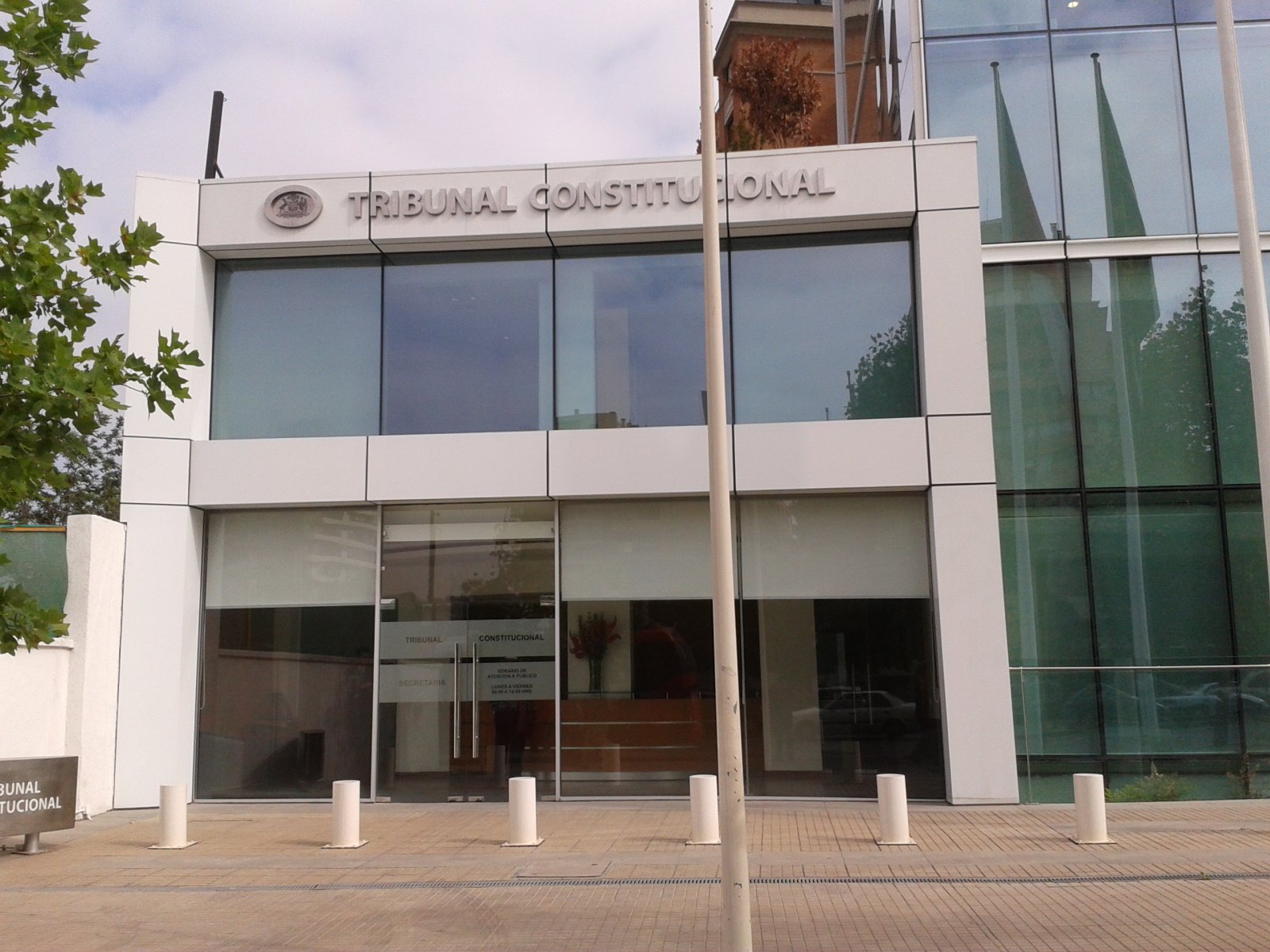
The Constitutional Court has agreed to hear opposition challenges to the government’s reconstruction law. A flagship piece of Chilean legislation now faces its toughest test, not in Congress but in court.
A bill meant to rebuild and revive the economy.
The reconstruction law reaches the court
On August 6, the Constitutional Court, known as the TC, unanimously agreed to process three opposition challenges. The challenges target the bill for national reconstruction and economic and social development, a sprawling reform the government has championed.
Admitting them does not mean the court agrees; it means the objections are serious enough to be heard.
A tight timetable
The court moved quickly. It scheduled a public hearing for August 12, with oral arguments the following day.
Interested parties were given a narrow window to file written submissions beforehand. That pace signals the court knows how much is riding on the outcome, for the government and the economy alike.
What is actually being challenged
The opposition is not attacking the whole law, but specific provisions it considers unconstitutional. Among the targets are rules on tax stability, the guarantees that tell investors their tax terms will not shift.
Also in the crosshairs are environmental provisions tied to compensation when courts annul environmental permits.
Why tax stability matters
Tax-invariability clauses may sound technical, but they are central to big investment. They promise investors that the tax rules in force when they commit will hold for years.
Strip that certainty away, and financing a decades-long mine or plant becomes far riskier.
The environmental flashpoint
The second cluster of challenges touches a raw nerve in Chile: the clash between development and the environment. At issue is what happens, and who pays, when a court cancels an environmental permit after a project has begun.
It is exactly the kind of dispute that can freeze investment while everyone waits for legal clarity.
A government on the defensive
For the government, the court challenge is an unwelcome hurdle for a reform it has staked political capital on. Even a partial ruling against it could force parts of the law to be rewritten.
The episode is a reminder that in Chile, big reforms must survive the courts, not just Congress.
Why investors are watching
Businesses care less about the politics than the certainty. They want to know the rules before they commit.
A drawn-out constitutional fight over tax and permits injects exactly the uncertainty investors dislike. The sooner the court rules, the sooner companies can plan with confidence.
The separation of powers at work
There is a healthier way to read this too. An independent court weighing a government’s law is democracy functioning.
Chile’s institutions are being tested, and so far they are following their own rules. That process, however inconvenient for the government, is part of what makes Chile attractive to invest in.
What happens next
After the hearing and oral arguments, the court will deliberate before issuing its decision. It could uphold the challenged provisions, strike them down, or find a middle path.
Whatever it decides will shape not just this law, but the confidence around future Chilean reforms.
The bigger picture
Chile has spent years debating how to balance growth, fairness and environmental protection. This case sits right on that fault line, in the dry language of constitutional law.
How the court resolves it will echo well beyond a single bill.
What the law was meant to do
The bill itself is ambitious, bundling reconstruction with a push for economic and social development. Governments favour such omnibus laws because they move many priorities at once.
The risk is that packing so much together gives opponents many angles of attack, as this case shows.
A pattern in Chilean politics
Chile has seen big reforms repeatedly tested at the Constitutional Court in recent years. The court has become a decisive arena where laws live or die after Congress is done.
Both left and right have used it, depending on who holds the legislative upper hand.
The clock and the calendar
Timing adds pressure. Reconstruction, by its nature, is urgent; delays cost money and momentum.
A legal cloud over the law can slow spending and freeze decisions on the ground. That is why the court’s brisk schedule, however welcome, still leaves the government waiting anxiously.
More: Latin America news in English, every day from The Rio Times.
Frequently Asked Questions
What is the reconstruction law?
It is a Chilean government bill aimed at national reconstruction and economic and social development, one of its flagship reforms.
What did the Constitutional Court do?
On August 6 it admitted three opposition challenges to the law and scheduled a public hearing for August 12 and arguments for August 13.
What parts are being challenged?
Provisions on tax stability and on environmental permits, specifically compensation when courts annul environmental approvals.
Why does it matter for investors?
Tax certainty and clear environmental rules are central to long-term investment. A legal fight over them injects uncertainty.
Has the court ruled?
No. It has agreed to hear the challenges. A decision will come after the hearing and oral arguments.
Sources: Tribunal Constitucional; CNN Chile; Emol; BioBioChile.
This article was produced by The Rio Times’ automated newsroom system. How we use AI · Report an error · Editorial responsibility: Matthias Camenzind, Editor-in-Chief
In depth
LatAm Markets: Live Signals → — real-time movers, turnover leaders and FX across Latin America.