Central African Republic Town Cites 30 Herbicide Deaths

CENTRAL AFRICAN REPUBLIC · HEALTH
Key Facts
- —The country The Central African Republic is a landlocked, conflict-hit state in the heart of Africa, where UN peacekeepers are still deployed.
- —What happened On Tuesday 6 October, Journal de Bangui reported more than 30 deaths after people deliberately swallowed a farm herbicide around Ngaoundaye.
- —Where Ngaoundaye is a sub-prefecture of Lim-Pendé, in the country’s north-west, close to the borders with Chad and Cameroon.
- —The numbers A local youth leader counts more than 30 cases; the regional chief doctor has recorded fewer than ten in health centres.
- —The product Victims reportedly took a weedkiller that farmers in the area commonly use to clear weeds from their fields.
- —Why it matters The World Health Organization lists limiting access to pesticides among its main ways to prevent suicide.
- —Still open There is no confirmed toll, and the product’s active ingredient has not been made public.
More than 30 people have died after deliberately swallowing a farm weedkiller around Ngaoundaye, in the north-western Central African Republic, local leaders say. The herbicide deaths hit a country that the US State Department rates at its highest warning level, “Do not travel”.
They also fit a global pattern: the World Health Organization urges governments to restrict pesticides to prevent suicides. Journal de Bangui reported the deaths on Tuesday 6 October, but the regional chief doctor has recorded fewer than ten cases.
What Local Leaders Report in Ngaoundaye
Journal de Bangui, a Central African news site, drew on the RJDH for its report on the herbicide deaths. That is the Network of Journalists for Human Rights, a Central African network of reporters focused on human rights.
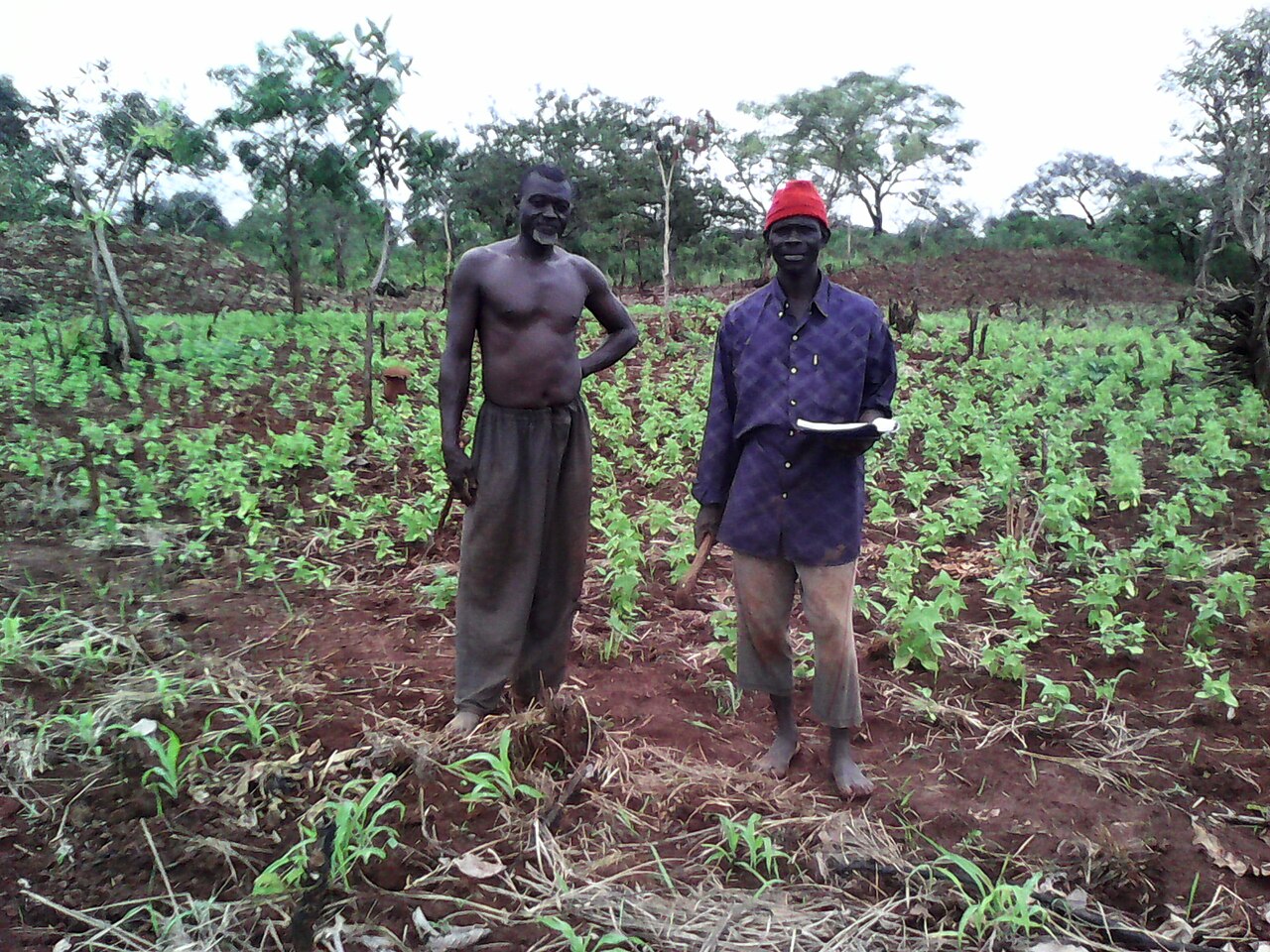
The victims reportedly swallowed a farm herbicide. Farmers in the area commonly use the product to kill weeds in their fields, the report said.
Frédéric Ndokoa, the youth leader for Ngaoundaye sub-prefecture, counts more than 30 cases across the area. He named villages including Nzoro, Ndoyi, Nzakoun, Kouzan, Baly-Kolo, Bolélé, Bogoli, Mbere-Pont and Ngaoundaye itself.
Another local official, not named in the report, says the problem began more than two years ago. That official puts the number of victims at about 40, without health records to back the figure.
Why the Herbicide Deaths Are Hard to Count
The chief doctor of the health region has recorded fewer than ten cases in health facilities. The doctor said several other deaths were reported, but those people were never treated in a health facility.
That gap makes a reliable count of the herbicide deaths difficult, according to Journal de Bangui. Deaths outside health facilities leave no hospital record.
The US State Department describes medical services across the country as extremely limited. It says there is no adequate treatment for routine or emergency procedures.
A Border Region Emerging From Years of Conflict
Prefectures are the country’s main administrative divisions, and sub-prefectures are the districts within them. Lim-Pendé also includes the town of Paoua.
Ngaoundaye lies close to the borders with Chad and Cameroon, Oubangui Médias has reported. Oubangui Médias is a Central African news site.
Nzoro, one of the villages on the list, lies about 20 kilometres from Ngaoundaye. In March 2025, the government condemned the killing of at least nine people there, Radio Ndeke Luka reported.
Local authorities blamed armed herders from Chad for those killings, the station said.
Radio Ndeke Luka, an independent station in Bangui, said in March 2026 that security in Lim-Pendé was slowly improving. That followed more than a decade of unrest.
Its Patara debate programme, held in Paoua that month, aired residents’ fears about aid groups closing their offices. For a wider view of the economy, see Doing Business in the Central African Republic.
A Global Problem With Known Fixes
The World Health Organization (WHO) says more than 720,000 people die by suicide every year. It says 73% of suicides in 2021 happened in low- and middle-income countries.
Among its main prevention steps, the WHO lists limiting access to means such as pesticides, firearms and certain medications. In 2024, it published a brochure on preventing suicide by phasing out highly hazardous pesticides.
The herbicide deaths around Ngaoundaye show why that advice matters in poor farming areas.
What It Means for US Readers
For travellers, the State Department’s advisory, last updated on 22 January 2026, already rates the country Level 4, “Do not travel”. It also warns of unmarked landmines outside Bangui, particularly along the border with Cameroon and in the western area bordering Chad.
For aid donors and agribusiness, the herbicide deaths raise questions about how farm chemicals are sold and stored in fragile rural markets. Restricting the most toxic products is one of the suicide-prevention steps the WHO recommends.
Nothing in the reports points to an infectious outbreak or to contaminated food. Anyone in the United States who is struggling can call or text 988, the Suicide and Crisis Lifeline.
What Is Not Known
There is no confirmed toll for the herbicide deaths: figures range from fewer than ten recorded cases to about 40 victims. The period covered by the higher counts is also unclear.
The product’s active ingredient, its maker and how it reaches local markets have not been made public. The reports give no ages or other details about the victims.
Journal de Bangui’s report cites no statement from the Health Ministry or the Agriculture Ministry. Whether the authorities will restrict sales of the product remains open.
More: Africa news in English, every day from The Rio Times.
Frequently Asked Questions
What happened in Ngaoundaye?
Local leaders say more than 30 people died after deliberately swallowing a farm herbicide. Journal de Bangui reported the herbicide deaths on Tuesday 6 October 2026.
How many herbicide deaths are confirmed?
The regional chief doctor has recorded fewer than ten cases in health centres. Local leaders count more than 30, and one official speaks of about 40 victims over more than two years.
Where is Ngaoundaye?
Ngaoundaye is a sub-prefecture in Lim-Pendé, a prefecture in the north-west of the Central African Republic. The area has seen years of armed unrest.
Is it safe for Americans to travel to the Central African Republic?
The US State Department rates the country Level 4, “Do not travel”. Its advisory, last updated on 22 January 2026, warns that medical services are extremely limited.
What does the World Health Organization recommend?
The WHO lists limiting access to pesticides among its main suicide-prevention measures. In 2024, it published a brochure on phasing out highly hazardous pesticides.
Sources: Journal de Bangui, 6 October 2026; Oubangui Médias (Ngaoundaye near the Chad and Cameroon borders), 3 February 2025; Radio Ndeke Luka (Lim-Pendé security), 9 March 2026; Radio Ndeke Luka (Patara debate in Paoua), 7 March 2026; Radio Ndeke Luka (Nzoro killings), 4 March 2025; World Health Organization, suicide fact sheet, accessed 7 October 2026; US State Department, Central African Republic travel advisory, 22 January 2026.
Editorial responsibility: Matthias Camenzind, Editor-in-Chief · Editorial standards · Report an error