Asia Intelligence Brief — Monday, September 28, 2026
Executive Summary
Asia Intelligence Brief for September 28: Japan counts Dujuan's toll, Bangkok pumps through a fourth disaster day, the Durand Line trades a body count and
Asia Intelligence Brief — Monday, 28 September 2026
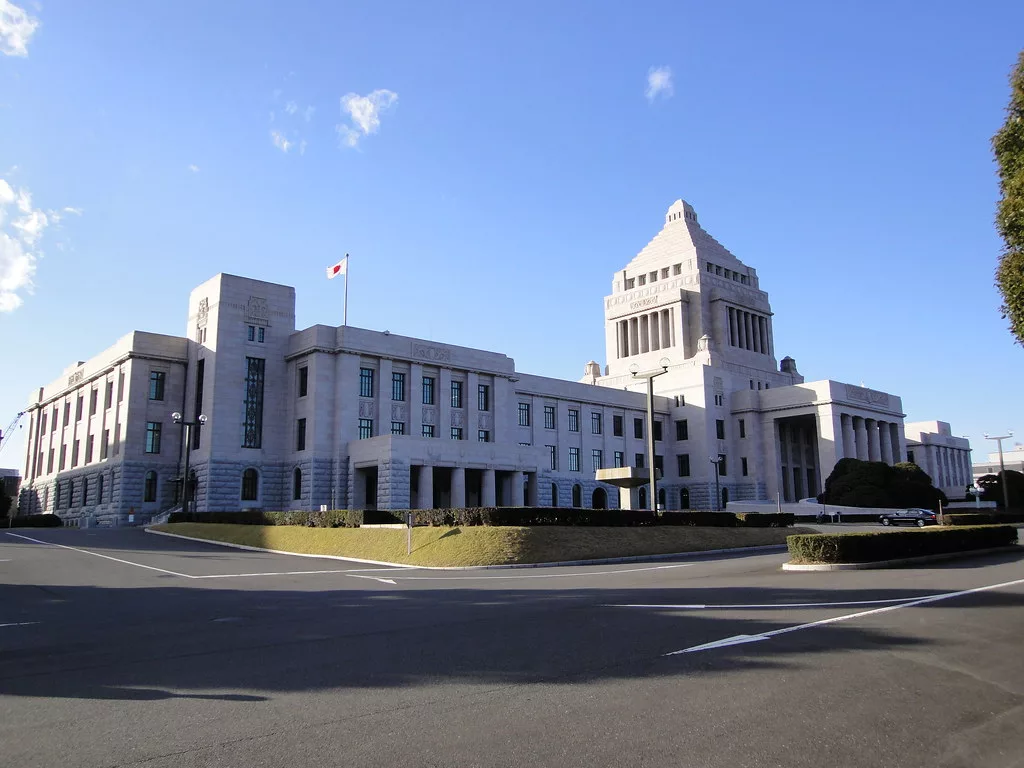
Asia’s temper this Monday is the fatigue of a region mopping its floors while reading its threats. The two largest stories are water and discipline: Japan and Thailand are cleaning up after the sky, and Beijing is reading the vacancies at the top of its own army.
The register is competence under strain. Tokyo’s crews reconnect houses, Bangkok’s pumps run through a fourth day, and neither government pretends the weather is finished with them.
The week’s sharpest political fact came from a border. Afghanistan said at the weekend that its forces had killed twenty-eight fighters who crossed from Pakistan into Nuristan, and Islamabad answered on the same day with a denial of any involvement — an exchange that tells the region more than any joint statement would.
What steadies the region is procedural and dull, which is usually the good news. Australia’s central bank will decide a rate on Tuesday that all four big banks have already priced, and Islamabad’s postponed march stayed postponed.
Key Facts
—Dujuan’s toll. Typhoon Dujuan left at least four people dead and 22 injured in Japan, with more than 45,000 households in Chiba prefecture without electricity in the storm’s aftermath, Japanese media reported on 22 September. Recovery work continued through the weekend.
—Bangkok’s fourth day. The capital remained a declared disaster-affected zone for a third day on Monday after some districts recorded more than 150 millimetres of rain in 24 hours, with Governor Chadchart Sittipunt warning the situation “poses a risk to people’s lives”. Thailand’s floods have killed eight people nationwide since 16 September, Reuters reported.
—The mirrored twenty-eight. Afghanistan’s defence ministry said at the weekend its forces killed 28 fighters and wounded 32 in Nuristan after a group crossed from Pakistan; Islamabad rejected any suggestion its forces or intelligence supported the fighters, Reuters reported on 27 September.
—The generals expelled. China expelled two senior military officers, Zhang Youxia and Liu Zhenli, from the Communist Party and the military for “serious violations of discipline and law”, Xinhua reported on 21 September.
—Canberra’s priced Tuesday. All four of Australia’s largest banks expect the Reserve Bank to raise its cash rate from 4.35 per cent to 4.60 per cent on 29 September.
—The postponed march. Pakistan Tehreek-e-Insaf postponed the protest it had planned to begin on 27 September, pointing instead to 4 October and leaving the capital sealed behind 1,550 rented containers at a cost of Rs46.5 million a day (about US$168,000), Dawn reported.
—Taipei on the line. Taiwan said it remained “in close touch” with Washington over arms sales, as Beijing’s “four red lines” framed the aftermath of the Trump–Xi summit.
Japan Counts What Dujuan Left Behind
Japan’s first full week after Typhoon Dujuan is a study in orderly grief. The storm left at least four people dead and 22 injured, Japanese media reported on 22 September, and more than 45,000 households in Chiba prefecture lost electricity in its aftermath.
The casualty count is small against the country’s typhoon memory, and that is precisely the conversation Japan is having with itself. A nation that measures storms against 1959’s Isewan and 2019’s Hagibis treats a four-death typhoon as a near miss — and then asks why 45,000 homes still went dark.
The question being argued in the press is the one Japan keeps deferring: why does a country with this engineering still go dark. Dujuan is being read less as a disaster than as an audit.
The register is stoic, but the stoicism has an edge. Japanese disaster coverage has a ritual shape — bows from officials, helmets in the ruins, queues for water — and this week’s coverage follows the ritual while editorialising around it: resilience is not the same as preparedness.
For the region, Japan’s storm week matters because it arrived in the same seven days as Bangkok’s flood. Asia’s two most organised cities spent the same weekend pumping, and that coincidence is now part of the region’s argument about what its infrastructure was built for.
Bangkok Pumps On, And Watches The Sky Again
Bangkok entered its fourth day as a declared disaster-affected zone on Monday, and the rain is not finished with it. The weather agency warned of further thunderstorms over the weekend, and some districts recorded more than 150 millimetres in 24 hours, TBS News reported.
Governor Chadchart Sittipunt declared the disaster zone on Saturday, telling residents the situation “poses a risk to people’s lives”. It is a phrase Thai governors reach for rarely, and its use has set the week’s political tone: this is no longer a drainage story.
The national count gives the capital’s water its weight. Flooding across Thailand has killed eight people since 16 September, Reuters reported, and the provinces upstream of the city are still releasing water toward it.
The public argument has moved past blame to competence. Bangkok’s residents are comparing pumps, not speeches: which district’s machines ran, which canal gates opened, whose warning arrived before the water and whose arrived with it.
What gives the flood its political edge is its timing inside Thailand’s longer argument. A capital that has spent the year debating its own governability is now being governed by rainfall, and every image of a minister in waders is being read as a job application.
Nuristan Writes The Week’s Grimmest Communiqué
The Durand Line wrote the week’s grimmest communiqué at the weekend. Afghanistan’s defence ministry said its forces killed 28 fighters and wounded 32 in Nuristan province after a group crossed from Pakistan, Reuters reported on 27 September.
Islamabad’s answer was a denial of paternity rather than of the event. Pakistan rejected any suggestion that its forces or intelligence services supported the fighters — days after announcing its own frontier operation in which 28 militants were killed in airstrikes, with Taliban officials reporting at least three civilian deaths in that same week of strikes.
For a reader with no background, this is the region’s oldest unsolved file. Afghanistan has never formally accepted the colonial-era border with Pakistan, and every militant who crosses it becomes, in death, a citizen of the other country.
The register on both sides is accusation as routine. Kabul says the men came from Pakistan; Islamabad says it harbours no one; and each capital’s communiqué is written for its own public, with the frontier’s dead claimed by both and mourned by neither.
The story matters beyond the frontier because the region’s other files are all open at once. A week in which Beijing has just expelled two of its most senior officers is a week in which every border command in Asia is being watched for signs of who is really in charge.
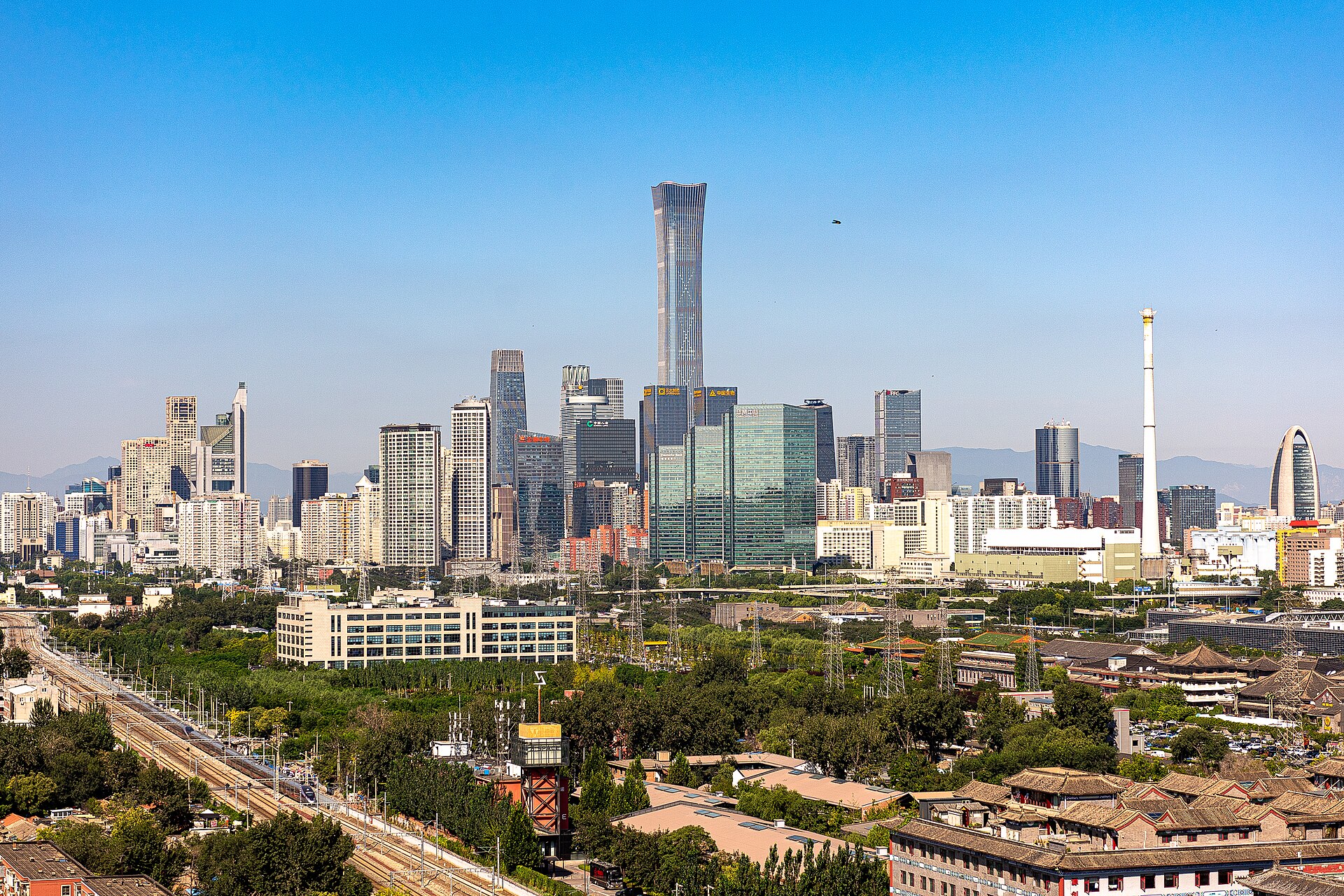
Beijing Purges The Men Who Led Its Army
China’s announcement was short, and the region is still reading the spaces in it. Xinhua reported on 21 September that two senior military officers, Zhang Youxia and Liu Zhenli, had been expelled from the Communist Party and the military for “serious violations of discipline and law”.
The phrase is the party’s standard formula, and the reported accusations — disloyalty, corruption and dereliction of duty — are announced only after the verdict. What is not standard is the rank. Zhang Youxia was a vice-chairman of the Central Military Commission, the body that commands China’s armed forces.
The regional reading divides into two schools. One sees a commander-in-chief consolidating control of the armed forces before a difficult winter; the other sees turbulence inside the command at the exact moment the Taiwan file and the Washington file are both open.
Both schools agree on the mood the announcement creates: every officer corps in Asia spent the weekend quietly checking its own chain of command, and Beijing’s embassies spent it saying nothing at all.
Islamabad Pays Rent On A March That Moved
Pakistan’s capital remains sealed against a protest whose date has moved. Pakistan Tehreek-e-Insaf postponed the march it had planned to begin on 27 September, pointing instead to 4 October and leaving Islamabad ringed by 1,550 rented containers at Rs46.5 million a day, about US$168,000, Dawn reported.
The arithmetic has become the story. A fortnight of fortification now costs more than the ministry budgets it dwarfs, and the transporters’ alliance renting the containers has become the conflict’s only unambiguous winner.
The register in Islamabad is exhausted absurdity: a city paying siege prices for a siege deferred, while its government and its opposition negotiate, through intermediaries, over an election commissioner whose term expired in January 2025.
Dhaka Polices A Birthday And Finds Bombs
Bangladesh’s weekend was brief and ugly. Two crude bombs went off beside a procession in Dhaka’s Dhanmondi district on Saturday, held by the banned Awami League to mark the birthday of the leader it lost in 2024. Three people were detained on one account, four on another.
The procession lasted minutes; the fear it left will last longer. Dhaka’s politics has moved back onto the street, and the street is being policed as a security problem rather than a political one.
Taipei Stays On The Phone To Washington
Taiwan’s own summary of the summit season is a single anxious sentence: the island remains “in close touch” with Washington over arms sales. The phrase is meant to reassure, and in Taipei it is being read both ways — as proof the pipeline is alive, and as proof it needs checking.
Beijing’s “four red lines”, restated through the summit’s aftermath, remain the hard shell around the relationship. Taipei’s week is the smaller party’s classic dilemma: everything it needs is decided in a conversation it is not part of.
Canberra Counts The Hours To A Rise It Expects
Australia’s Tuesday is already spent. All four of the country’s largest banks expect the Reserve Bank to raise its cash rate from 4.35 per cent to 4.60 per cent on 29 September, and household spending grew by only 0.1 per cent in August on the Commonwealth Bank’s own measure.
The register is fatalism rather than anger. Australian mortgage holders have absorbed a tightening cycle with the discipline of a country that treats its central bank as weather: you cannot argue with it, only carry an umbrella.
The decision lands in a region already repricing risk. Asian markets traded mostly lower on Monday with oil higher and bond yields rising, a background hum of cost pressure beneath every political story in this brief.
What This Means From Latin America
Asia’s water week is Latin America’s mirror. Brazil’s own flood ledger — Rio Grande do Sul in 2024, the southern storms that killed four and cut power this month — makes Bangkok and Japan’s typhoon the same conversation: cities built for a climate that no longer exists, governed by administrations measured on how fast the water leaves.
The China purge matters to the region commercially. China buys more of what Brazil and Chile sell abroad than any other country, and it is a creditor Argentina has leaned on through its reserves crisis; a command reshuffle at the top of the People’s Liberation Army changes nothing in the trade statistics this week, but it reminds every exporter in the region how much of its revenue depends on reading one political system correctly.
Australia’s rate rise, if it comes on Tuesday, tightens the Pacific’s cost of capital at the same moment the Fed’s own path is squeezing Latin American currencies. The region’s treasurers watch Canberra for the same reason they watch Frankfurt: someone has to move first, and this week it is the RBA’s turn.
The comparison is set out at greater length elsewhere. The dossier carries the leader, the country health check and the outcome table with its Latin America column — open the Asia Intelligence Dossier.
There is a weather ledger worth holding beside it. Brazil’s civil defence counted its own September storms while Thailand counted its dead — two middle-income democracies, an ocean apart, discovering in the same month that their emergency budgets were written for smaller skies.
What We Are Watching
- Tuesday 29 September: the Reserve Bank of Australia decides — All four major banks expect a rise from 4.35 to 4.60 per cent. The surprise would be a hold; the statement’s language about household spending is the text to read.
- Through the week: Bangkok’s water and Japan’s grid — The weather agency’s thunderstorm warnings run into the week, and upstream provinces are still releasing water toward the capital. In Japan, the count of households reconnected is the recovery’s daily measure.
- Saturday 4 October: Pakistan’s march, take two — Pakistan Tehreek-e-Insaf’s long march is now set to leave Peshawar on this date. Whether Islamabad keeps its 1,550 containers rented for a second week is the state’s answer in advance.
- The week: Beijing’s appointments — The expulsion of two top generals creates vacancies at the top of the command. Who replaces them — and how quickly — is the region’s clearest read on whether this was discipline or emergency.
- Ongoing: the Nuristan frontier — Both capitals claimed 28 dead fighters on Monday. A second clash this week would turn an incident into a season, with China’s mediation already stretched thin.
- Ongoing: Taipei’s phone line — Taiwan says it is “in close touch” with Washington over arms sales. Any concrete package announced this week would move the story from reassurance to escalation.
Frequently Asked Questions
How bad was Typhoon Dujuan by Japanese standards?
Japanese media reported on 22 September at least four dead, 22 injured and more than 45,000 households in Chiba prefecture without electricity. That is far below Japan’s historic typhoon catastrophes, but the public argument has centred less on the casualties than on the outage: why a country with Japan’s engineering still loses power to a mid-rank storm across tens of thousands of homes.
Is Bangkok’s flooding over?
Not yet. The capital remained a declared disaster-affected zone for a third day on Monday, with the weather agency warning of more thunderstorms and upstream provinces still releasing water toward the city. Some districts recorded more than 150 millimetres of rain in 24 hours, and Thailand’s nationwide flood death toll since 16 September stood at eight, according to Reuters. Governor Chadchart Sittipunt has said the situation “poses a risk to people’s lives”.
Did Afghanistan and Pakistan clash directly at the weekend?
No direct state-on-state engagement has been confirmed. Afghanistan’s defence ministry said a group crossed from Pakistan into Nuristan; Islamabad denied its forces or intelligence supported the group; Pakistan had separately reported 28 militants killed in airstrikes days earlier, with Taliban officials reporting at least three civilian deaths.
Why does China’s expulsion of two generals matter outside China?
Because of the rank and the timing. Zhang Youxia was a vice-chairman of the Central Military Commission, and the expulsion of him and Liu Zhenli for “serious violations of discipline and law” was announced on 21 September with no detail — the party’s standard formula, applied at an unstandard altitude. With the Taiwan file and the US relationship both live, every defence ministry in Asia is reading the vacancies as a signal about Beijing’s command stability.
This article was produced by The Rio Times’ automated newsroom system. How we use AI · Report an error
LatAm Markets: Live Signals → — real-time movers, turnover leaders and FX across Latin America.