Art Market Cools: High-End Sales Slump, Middle Market Holds Firm
The global art market performed an intricate dance in 2024, stepping back from the exuberant highs of previous years. Overall sales dipped 4% to $65 billion, marking a significant shift in collector behavior and market dynamics.
High-end transactions felt the chill most acutely. Christie’s reported a 16% drop in auction sales, while Sotheby’s experienced a 25% decline in the first half of 2024. The ultra-luxury segment, once a reliable barometer of market health, stumbled as fewer works crossed the $50 million threshold.
Yet, beneath this cooling surface, currents of change stirred. China overtook the UK as the second-largest art market, with sales surging 9% to $12.2 billion. This shift underscores the growing influence of Asian collectors and the region’s economic resilience.
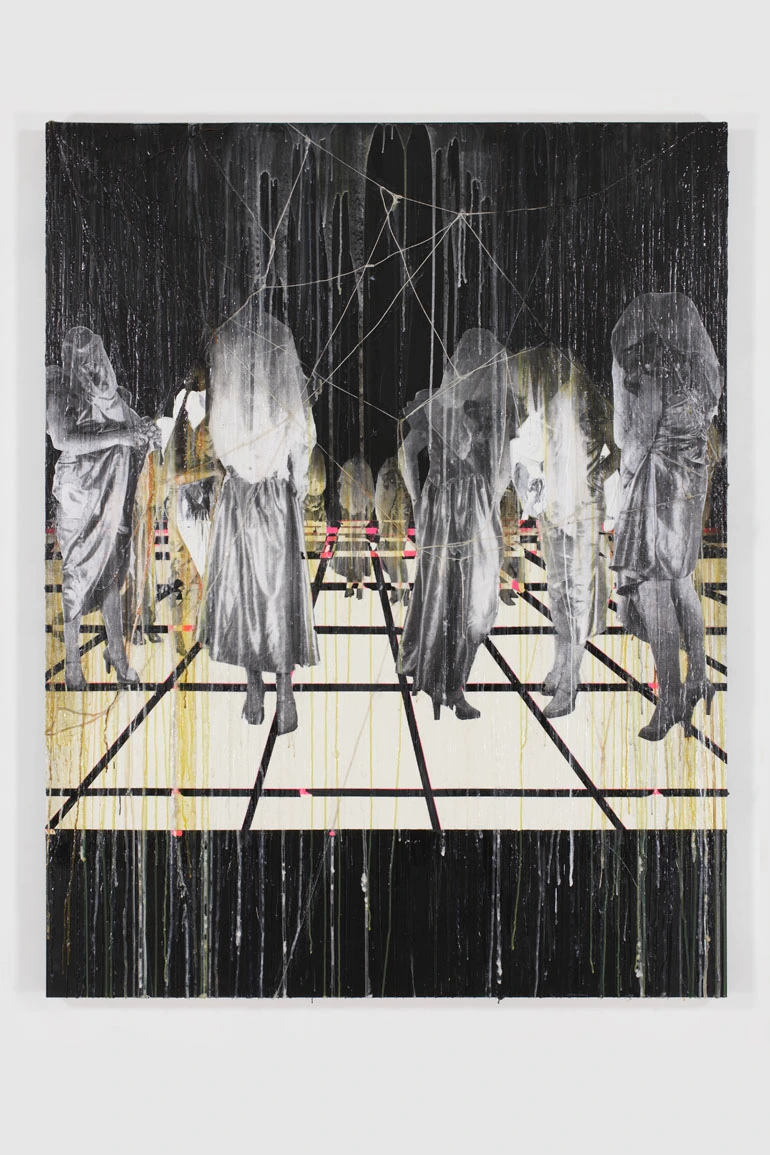
The middle market showed unexpected strength. Galleries reported increased activity, and online sales continued their upward trajectory. This digital pivot reflects a broader trend of collectors embracing new ways to engage with art.
Economic factors played a crucial role in shaping the market. High inflation and interest rates made collectors more cautious. However, the art lending sector grew as collectors sought alternatives to selling, highlighting the market’s adaptability.
Art Market Cools: High-End Sales Slump, Middle Market Holds Firm
Looking ahead, experts predict a gradual recovery. Expected interest rate cuts in 2025 could reignite buyer enthusiasm. The market’s ability to adapt to changing conditions will be crucial in navigating the coming years.
This recalibration of the art market matters because it reflects broader economic trends and shifts in global wealth distribution. It also signals changing attitudes towards art as an investment and cultural asset.
As the market evolves, it opens new opportunities for emerging artists and collectors, potentially reshaping the art world’s landscape for years to come.
This article was produced by The Rio Times’ automated newsroom system. How we use AI · Report an error · Editorial responsibility: Matthias Camenzind, Editor-in-Chief