Argentina Shifts Debt Strategy: Local Up, Foreign Down in 2024
The Congressional Budget Office (OPC) of Argentina released data showing a 157.5% increase in local currency public debt for 2024. This dramatic rise contrasts with a 3.4% drop in foreign currency liabilities.
The OPC disclosed that local debt grew by 131 trillion pesos, roughly $124.259 billion, pushing the total to 215.9 trillion pesos or $204.874 billion by year’s end. Meanwhile, foreign debt fell by about $9.021 billion, concluding at $255.385 billion.
Argentina’s approach to managing its debt involves issuing more domestic securities like Treasury Bills and Bonds. These instruments adjust for inflation and often capitalize interest, which helps in maintaining fiscal stability.
The government made significant moves to pay down foreign debt, leading to a net decrease. The Treasury paid 1.6 trillion pesos in local interest and $10.071 billion for foreign obligations in 2024.
This strategy reflects a broader economic policy under President Milei’s administration, focusing on self-reliance and minimizing foreign debt exposure. The surge in local debt indicates a deliberate shift towards domestic financing, aiming to reduce vulnerability to international market volatility.
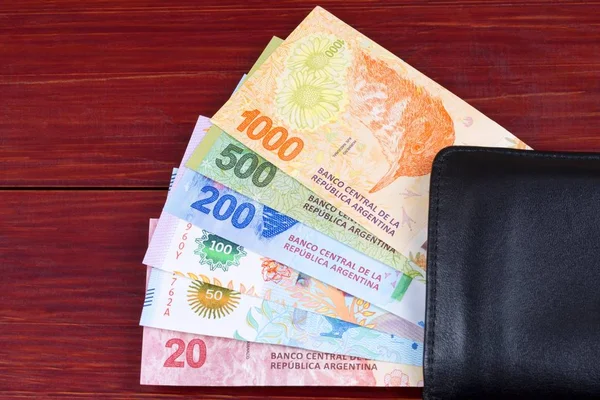
Argentina’s Fiscal Tightrope
However, this approach isn’t without risks. Increasing debt in pesos amidst high inflation could further strain public finances. It might also signal to investors a heavy reliance on local markets, potentially impacting investor confidence.
From a libertarian perspective, this move could be seen as a step towards fiscal autonomy, reducing the need for international oversight but requiring careful management to avoid domestic economic pitfalls.
The government‘s actions aim at controlling economic levers internally, minimizing progressive economic policies that might favor external dependency.
This year’s figures tell a story of a nation balancing on a fiscal tightrope, attempting to navigate through economic challenges with a focus on domestic solutions.
The success of this strategy will depend on controlling inflation and ensuring that the increase in local debt does not spiral into unmanageable levels, which could threaten Argentina’s economic stability in the long run.
More: Argentina news in English, every day from The Rio Times.
This article was produced by The Rio Times’ automated newsroom system. How we use AI · Report an error · Editorial responsibility: Matthias Camenzind, Editor-in-Chief
In depth