Sovereignty Over Unelected Global Governance: Argentina’s Decision to Leave the WHO
Argentina’s decision to withdraw from the World Health Organization (WHO) on February 5, 2025, marks a significant shift in global health governance.
This move follows a similar action by U.S. President Donald Trump, who criticized the WHO’s handling of the COVID-19 pandemic. Argentina’s President Javier Milei cited “profound differences” over pandemic policies and concerns about international interference in national health matters.
The WHO has faced intense scrutiny for its pandemic strategies, including lockdowns and travel restrictions, which critics argue caused substantial economic and social harm without sufficient scientific justification.
Additionally, the proposed pandemic treaty has raised concerns about potential infringements on national sovereignty, with fears that it might impose lockdowns or vaccine mandates on countries.
Despite the WHO’s assurances that the treaty will respect national laws, these concerns have fueled skepticism among nations. Argentina’s withdrawal is part of a broader trend of skepticism towards international health governance.
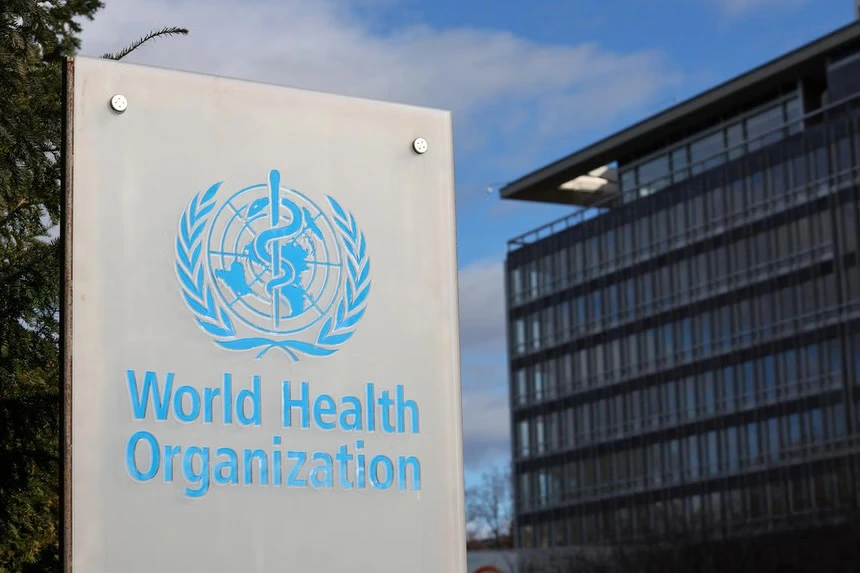
The country’s government, led by Milei, has emphasized the need for sovereignty in health policy-making, reflecting a growing desire among some nations to assert control over their domestic health agendas.
The WHO’s Role in Global Health
This shift could have significant implications for global health cooperation and the role of international organizations like the WHO. The WHO‘s lack of accountability has also been a point of contention.
Critics argue that the organization failed to conduct thorough postmortems on its pandemic response strategies, which is crucial for preventing future public health harm. As more countries question the WHO’s effectiveness, the organization struggles to maintain its influence.
Its legitimacy is also increasingly under scrutiny. This development is crucial for stakeholders such as policymakers and investors. It highlights a potential shift in how global health policies are developed and implemented.
The WHO’s future role in global health governance is increasingly uncertain. Understanding these dynamics offers valuable insights into emerging trends in international cooperation and national sovereignty.
More: Argentina news in English, every day from The Rio Times.
This article was produced by The Rio Times’ automated newsroom system. How we use AI · Report an error · Editorial responsibility: Matthias Camenzind, Editor-in-Chief