Peru Dengue Deaths Rise in Áncash Region
A local candidate says Peru’s state is too slow against dengue in Áncash. The Health Ministry points to doctors, beds and fumigation already deployed.

Health: Peru
A candidate in Peru’s Áncash region demanded urgent help from the national Health Ministry on 27 November 2026, after dengue killed a pregnant woman there. Peruvian press accounts of 23 November, citing the regional health directorate, count eight dengue deaths in the northern region this year.
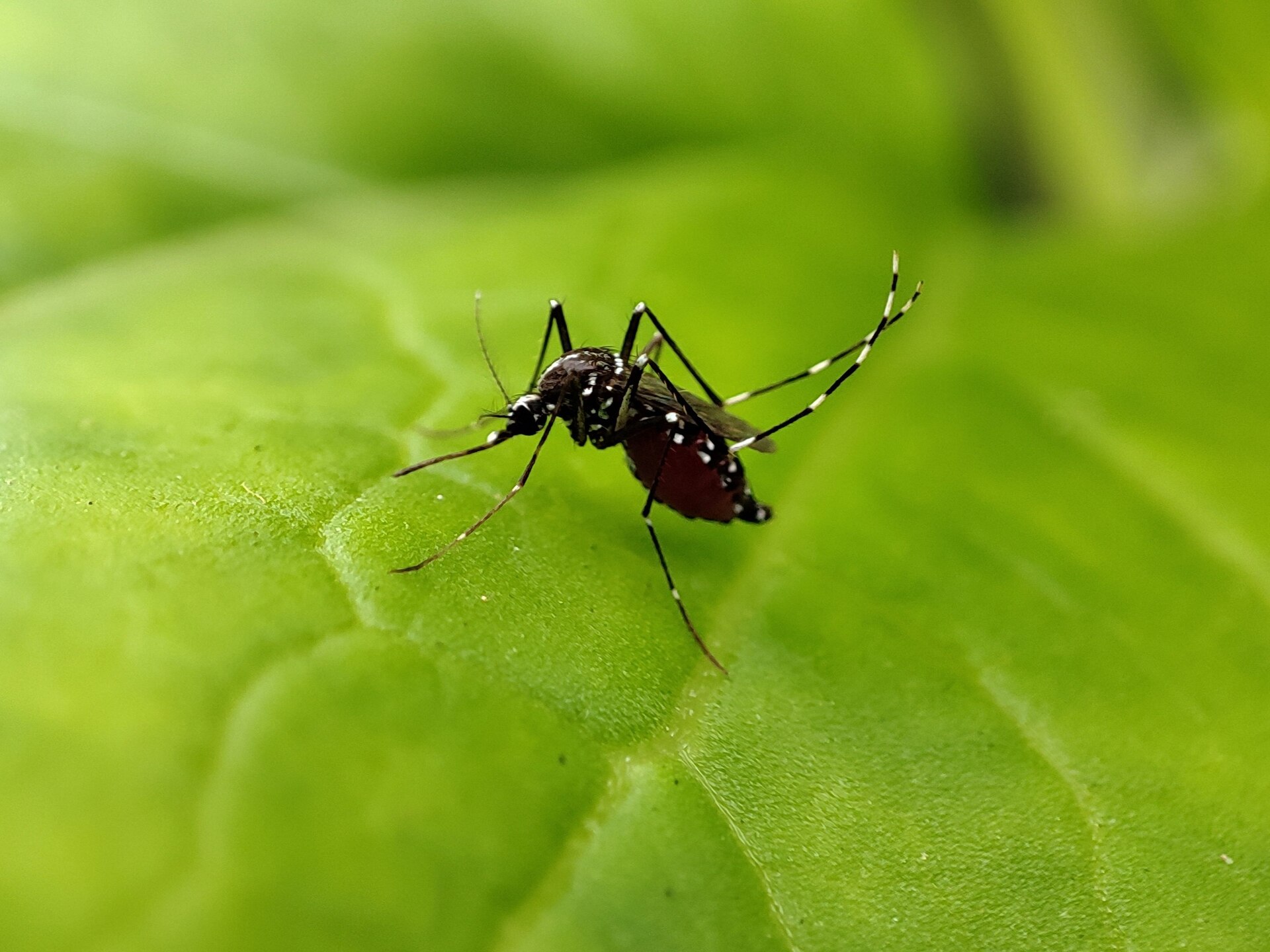
Dengue is a mosquito-borne fever that can turn severe and cause internal bleeding. The Health Ministry (Minsa) says it has sent specialist doctors north, and in the notes we could open it announced no health emergency for Áncash.
Key Facts
- Who. Antonio Casana, a candidate in Áncash, northern Peru; Luis Dyer, Peru’s health minister.
- What. Casana demanded medicines, doctors and an emergency review after a pregnant woman’s dengue death.
- When. Statement of 27 November 2026; latest death reported on 23 November.
- Power Index. Peru ranks 5th of 14 in The Rio Times Latin America Power Index, with 53.9 points (November 2026 edition).
- As of. 28 November 2026, 12:00 GMT.
A local candidate says Peru’s state is too slow against dengue in Áncash. The Health Ministry points to doctors, beds and fumigation already deployed.
Dengue deaths in Áncash reached five on Tuesday 17 November, when a 38-year-old man from Casma, a coastal province, died after care at several health facilities. On Monday 23 November, Peruvian press accounts reported that a woman 32 weeks pregnant had died of severe dengue at a regional hospital in Nuevo Chimbote, the eighth death counted by the regional health directorate.
The ministry’s own national figures show the scale of the outbreak. On Wednesday 25 November Health Minister Luis Dyer told a session of the Comando FEN, the government’s El Niño response command, that Peru had 122,000 dengue cases and 117 deaths so far, with 113,000 patients discharged and 110,000 people vaccinated.
Antonio Casana, a candidate in Áncash, demanded in a statement published on 27 November that Minsa send medicines and more medical staff. He also asked for a review of a sanitary emergency declaration, a contingency plan joining the national government, the region and the municipalities, and an investigation into the pregnant woman’s death.
“We cannot keep counting dead while the authorities do not guarantee a response worthy of this crisis,” Casana said. “Áncash needs doctors, medicines, hospital capacity and immediate decisions.”
“The life of our people is above any political calculation,” he added. The statement as published does not say which office Casana seeks, so we treat his demand as that of a politician, not an official.
Minsa announced on Wednesday 25 November that 14 Lima hospitals will give round-the-clock telemedicine support, through 70 infectious-disease specialists and 350 internists, to health facilities in Tumbes, Piura, Lambayeque, La Libertad and Áncash. The service is also meant to prepare the north for El Niño in 2026 and 2027, a warming of the Pacific that brings heavy rain to Peru’s north coast.
Dyer said the same day that 1,024 of the country’s 1,183 intensive care beds were occupied, or 86.6%, and that only 21 of them held dengue patients, or 1.8%. Minsa is working with EsSalud, the social security health insurer, and the armed forces to add beds, and it prepares a deal with private clinics if demand outgrows the public system.
Dengue is therefore not yet what fills Peru’s intensive care units, but the national system has only 159 free beds if cases climb. Local reports of 24 November that emergency units in Áncash and Lambayeque had no free intensive care beds for severe cases are not addressed in Minsa’s notes, and we could not confirm them.
On Thursday 26 November Dyer said 80% of infections happen inside the home, and the vaccine campaign, which covers only ages 10 to 20 in prioritised districts, is due another 1.1 million doses. On 27 November the ministry reported that 9,440,844 homes had been inspected since January for breeding sites of the Aedes aegypti mosquito, which spreads dengue, and that 918,858 homes had been fumigated, including in Áncash.
Minsa has not said whether it will declare a health emergency for Áncash, and we found no published result of an inquiry into the pregnant woman’s death. It has also not said which Áncash districts will receive the new vaccine doses, or when.
The next dated step is not announced, so the first signal will be the regional directorate’s next tally. Minsa itself warns of higher temperatures in December, January and February, which points to a season that is only beginning.
Frequently Asked Questions
How many people have died of dengue in Áncash?
The regional health directorate’s count, as reported on 23 November, is the latest figure we could find. Counts change quickly, so a newer regional tally may already exist.
What has the Health Ministry done?
It has arranged round-the-clock specialist support by telemedicine for the northern regions, and brigades are inspecting and fumigating homes. It says dengue patients fill only a small share of intensive care beds.
What is Antonio Casana asking for?
He wants medicines, more doctors, a joint contingency plan and an investigation into a pregnant woman’s death. He also wants the government to weigh an emergency declaration.
Sources
Published Saturday 28 November 2026 · Source: Ministry of Health press notes of 25, 26 and 27 November 2026 · Ministerio de Salud (Minsa)
This article was produced by The Rio Times’ automated AI newsroom. Editorial responsibility: Matthias Camenzind, Publisher and Editor-in-Chief. The Rio Times also runs Ask Rio Times, which answers from 100,000+ of our own articles, the daily Latin America Power Map, and prediction-market odds on elections and markets.. How we use AI · Report an error
Connected Coverage