South Africa October Factory Prices Up 8.1%
South Africa’s factory-gate inflation jumped to 8.1% in October, led by fuel and chemicals, Stats SA said.
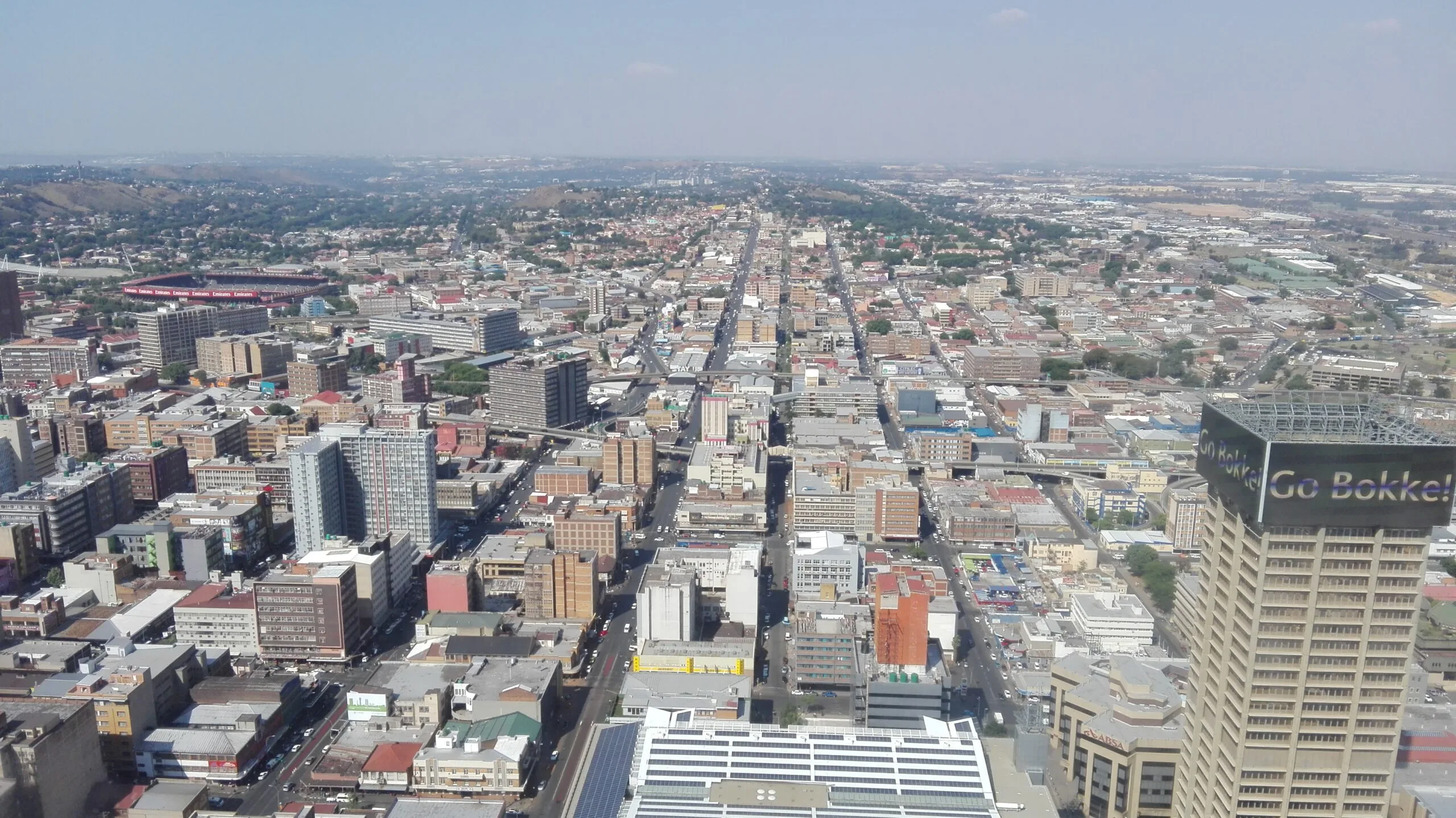
Rio Times Markets · South Africa
Prices that South African factories charge for finished goods rose 8.1% in October 2026 compared with a year earlier, Statistics South Africa (Stats SA), the national statistics office, said on Thursday 26 November 2026. That is up from 6.2% in September and the fastest annual rise since April 2023.
A group that includes fuel and chemicals did most of the work, according to the release. For readers abroad, this is a producer-price figure, not yet a consumer inflation figure.
Key Facts
- What happened Producer prices for final manufactured goods rose 8.1% year on year in October 2026, from 6.2%.
- Monthly move Prices rose 1.7% from September; the fuel, chemicals and plastics group added 1.3 points.
- Versus forecast Analysts’ average forecast was 7.6% for the year and 1.1% for the month.
- Fuel Factory-gate petrol prices rose 46.2% in a year, and diesel prices rose 68.5%.
- Next Stats SA publishes the November figures on Thursday 17 December 2026.
South Africa’s factory-gate inflation jumped to 8.1% in October, led by fuel and chemicals, Stats SA said.
What Changed
Stats SA’s Producer Price Index (PPI) measures what producers charge for goods at the factory gate, before shop mark-ups. Its headline gauge, final manufactured goods, rose 8.1% in October 2026 from October 2025.
From September to October, prices rose 1.7%, according to Stats SA release P0142.1 of Thursday 26 November 2026. The RT economic calendar, which collects official releases and analyst consensus, shows an average forecast of 7.6% for the annual rate and 1.1% for the monthly rate, so both readings beat expectations.
The annual rate is the highest since April 2023, when it stood at 8.6%, according to the series tables in the same release. Earlier in 2026 it was 7.8% in May, 5.0% in August and 6.2% in September.
Fuel Drives the Jump
Stats SA names one group as the main driver: coke (a coal-based industrial fuel), petroleum, chemical, rubber and plastic products. It rose 26.3% in the year and contributed 5.6 of the 8.1 percentage points.
Inside that group, coal and petroleum products were up 46.5% in a year. Factory-gate petrol rose 46.2% and diesel 68.5%, while in October alone petrol jumped 13.9% and diesel 10.5%.
Other groups added much less. Food, beverages and tobacco rose 2.2% in the year and contributed 0.7 of a point, while metals, machinery and equipment rose 3.9% and contributed 0.6 of a point.
What Is Steadier
Without petroleum the picture is calmer: final manufactured goods excluding petroleum products rose 3.6% in the year, Stats SA’s tables show. That is less than half the headline 8.1%.
Other producer gauges cooled in October. Intermediate manufactured goods rose 5.2% against 7.8% in September, mining 3.4% against 7.3%, and electricity and water 6.3% against 8.4%.
What It Means for Readers Abroad
Producer prices often move before consumer prices, but the link is loose. Firms may absorb part of a cost rise, so shop prices may not follow in full.
What Is Not Known
Stats SA’s release does not say why fuel prices rose or whether the rise will last. Consumer price figures, a separate release, will show how much of it reaches households.
The next PPI, for November, is due from Stats SA on Thursday 17 December 2026. An annual rate back below the 6.2% of September would suggest the fuel spike was temporary, while another monthly rise of 1.7% or more would point to building pressure.
Sources: Statistics South Africa, Producer Price Index P0142.1, October 2026, released 26 November 2026; forecasts from the RT economic calendar of official releases and analyst consensus. This is news, not investment advice.
Frequently Asked Questions
What is the Producer Price Index?
It measures the prices producers receive for goods at the factory gate, before retail mark-ups. It often moves ahead of consumer inflation.
How much did South African producer prices rise in October 2026?
Final manufactured goods prices rose 8.1% from a year earlier and 1.7% from September, Stats SA reported. Forecasts were 7.6% and 1.1%.
What drove the rise?
Stats SA points to fuel, chemicals and plastics, which contributed 5.6 of the 8.1 points. Petrol rose 46.2% and diesel 68.5% in the year.
Will shop prices rise as well?
Not automatically, because firms may absorb some of the cost. Later consumer price readings will show whether it reaches households.
This article was produced by The Rio Times’ automated AI newsroom. Editorial responsibility: Matthias Camenzind, Publisher and Editor-in-Chief. The Rio Times also runs Ask Rio Times, which answers from 100,000+ of our own articles, the daily Latin America Power Map, and prediction-market odds on elections and markets.. How we use AI · Report an error
Part of our ongoing coverage
Africa: The New Scramble — the great-power contest over the continent.
LatAm Markets: Live Signals → — real-time movers, turnover leaders and FX across Latin America.