
UGANDA · ENERGY
Key Facts
- —The country Uganda is a landlocked East African nation of over 45 million people that gets most of its electricity from Nile hydropower.
- —What happened On Tuesday 20 October 2026 the EU confirmed a €30 million (about US$34 million) grant for the Nalubaale and Kiira dams, first outlined in February.
- —The package The grant sits inside a €170 million (about US$191 million) Team Europe plan, with the rest coming as concessional loans from European lenders.
- —The plants The two Jinja stations hold 380 megawatts: 180 at Nalubaale, opened in 1954, and 200 at Kiira.
- —The promise The EU ambassador said the work should keep the plants running for another 30 years as the backbone of the grid.
- —Why now Uganda wants 20,000 megawatts by 2040 and used the two-day Uganda-EU Business Forum in Kampala to court European investors.
- —Still open The start date of the works, the contractors and the final loan terms have not been announced.
Uganda hydropower won a public EU pledge: the bloc confirmed €30 million (about US$34 million) in grants on Tuesday 20 October for two Nile dams. EU Ambassador Jan Sadek announced it at a business forum in Kampala.
For US readers, the news shows Europe competing for influence and contracts in East Africa’s power sector, which US investors also watch. Cheap, steady electricity from these dams powers Uganda’s factories, coffee processors and mines.
What the EU Announced in Kampala
Ambassador Sadek said the European Union is committing €30 million (about US$34 million) in grant money to the rehabilitation of the Nalubaale and Kiira plants. He spoke at the Uganda-EU Business Forum, held at the Serena Hotel in Kampala under the theme of renewable energy and green industrialisation.
The grant is part of a €170 million (about US$191 million) Team Europe package, meaning the EU and its member states act together. It was first outlined in February, and the forum put it on the record again.
Two Old Uganda Hydropower Plants at Jinja
Nalubaale, formerly known as Owen Falls, opened in 1954 and has 180 megawatts of capacity, according to Ugandan reports. Kiira, a second Uganda hydropower station built beside it in the 1990s, adds 200 megawatts, for a combined 380 megawatts.
Sadek called them Uganda’s oldest large hydropower stations and said they would stay the backbone of the grid and its cheapest power. Both Uganda hydropower plants belong to the state-owned Uganda Electricity Generation Company Limited, known as UEGCL.
How the US$191 Million Package Is Built
Besides the €30 million (about US$34 million) EU grant, the rest is to come as concessional loans, meaning loans on softer terms than banks offer. The lenders are the European Investment Bank, the EU’s long-term lending arm, and the French Development Agency, known as AFD.
The remaining loan share works out to about €140 million (about US$157 million). The grant is meant to lower the overall financing cost, which helps keep the price of electricity down for households and businesses.
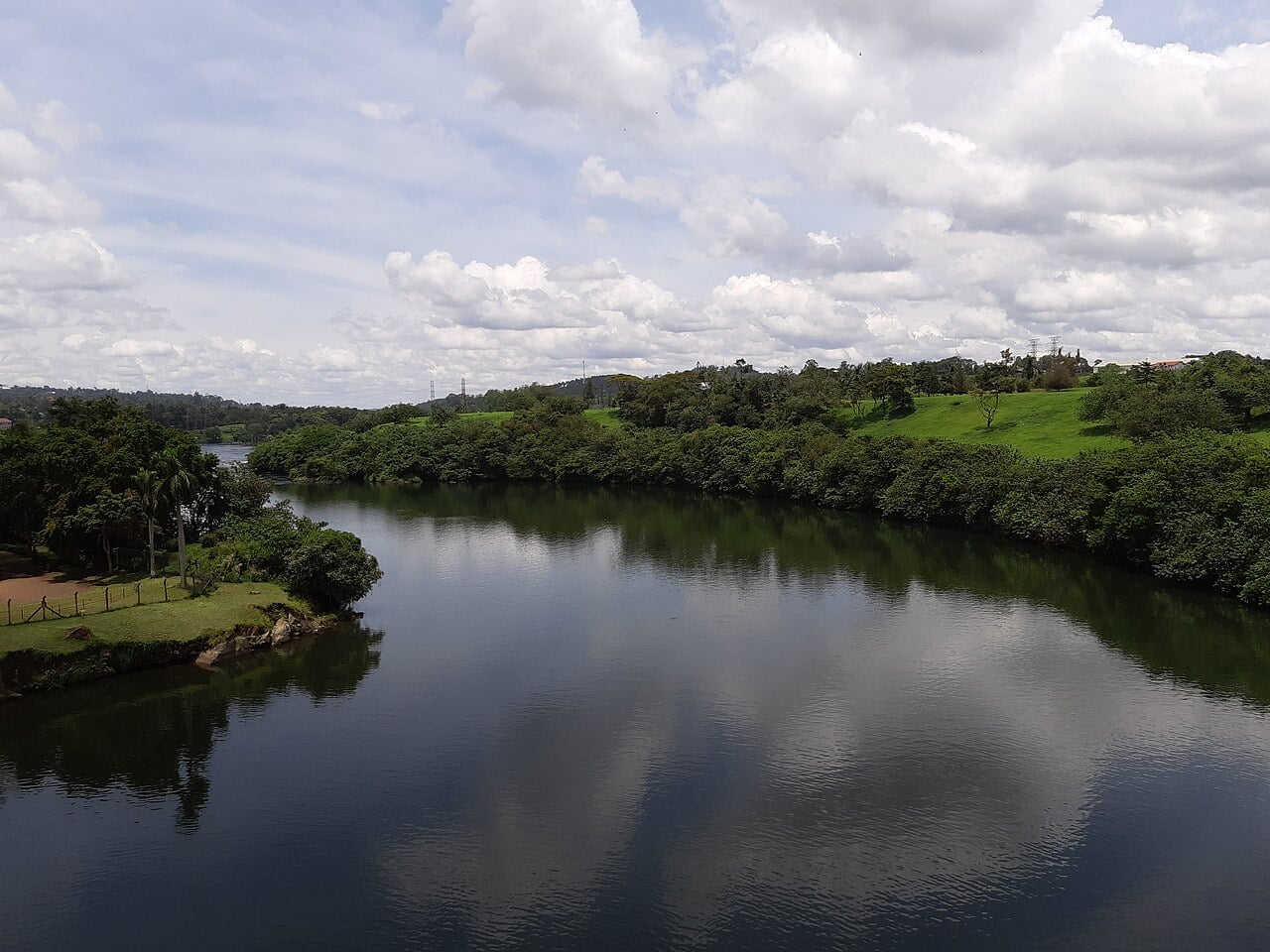
What the Rebuild Covers
The planned work includes overhauling the turbines and the electrical and mechanical equipment, and upgrading control systems, according to the February EU-backed project description. It also covers better flood and water-flow management on the Nile, and training for UEGCL staff.
Impact studies on the environment and local communities were under way in February, ahead of full construction. French Ambassador Virginie Leroy told Nile Post in April that further funding approvals were expected by the end of the year.
Why Uganda Is Courting Investors
State Minister for Finance Henry Musasizi told the forum that Uganda wants 20,000 megawatts of capacity by 2040 to support a US$500 billion economy. The 2026/27 budget sets aside Shs2.1 trillion (about US$520 million) for energy, including a proposed 380-megawatt Kiba dam.
Energy and Mineral Development Minister Monica Musenero invited European investors into solar, geothermal, power lines and energy storage. Sadek said converting that potential into money requires bankable projects and predictable rules for private investors.
What It Means for US Readers
Uganda’s sales to Europe grew from €500 million (about US$561 million) in 2019 to €1.8 billion (about US$2.0 billion) in 2025, forum figures show. For US firms weighing Uganda, the grid repair is a good sign, as when a Ugandan minister said a US bank eyes energy.
The Uganda hydropower money is European, so contracts for turbines and control equipment will likely follow EU and lender procurement rules. US suppliers should watch the tenders, and our Uganda and its neighbours explainer gives the regional picture.
What Is Not Known
No date has been given for the start or the end of the rebuild, and the contractors have not been named. The loan terms from the European Investment Bank and the French Development Agency have not been published.
It is also open whether the plants must shut down in stages during the work, which would cut supply on a hydropower-heavy grid. Nor is it known whether non-European firms can bid.
More: Uganda news in English, every day from The Rio Times.
Frequently Asked Questions
How much is the EU grant for Uganda’s dams?
The EU confirmed €30 million (about US$34 million) for Uganda hydropower on 20 October, after first outlining it in February. It sits inside a €170 million (about US$191 million) package that also includes loans.
Which Uganda hydropower dams will be rebuilt?
The Nalubaale and Kiira hydropower stations at Jinja on the River Nile, which together hold 380 megawatts. Nalubaale opened in 1954 and Kiira followed in the 1990s.
When was the grant confirmed?
EU Ambassador Jan Sadek announced it on Tuesday 20 October 2026 at the Uganda-EU Business Forum in Kampala. The grant was first outlined in February.
What is Team Europe?
Team Europe is the name the EU gives to joint efforts by the bloc, its member states and its lending banks. In this case it includes the European Investment Bank and the French Development Agency.
Why do the dams matter to Uganda’s economy?
Uganda hydropower supplies most of the country’s electricity, and Sadek called these plants the cheapest source of power in the country. Factories, farms and mines all depend on that steady supply.
Sources: ChimpReports (Kampala), EU Pledges Grant for Nalubaale, Kiira Hydropower Rehabilitation, 20 October 2026; ChimpReports, Uganda Targets 20,000MW by 2040, Courts EU Energy Investors, 20 October 2026; Nile Post via allAfrica, France, EU Commit Shs735bn to Rehabilitate Nalubaale and Kiira Dams, 9 April 2026; Hydro 4 Africa, EU backs rehabilitation of Uganda’s Nalubaale-Kiira, 23 February 2026.
This article was produced by The Rio Times’ automated newsroom system. How we use AI · Report an error · Editorial responsibility: Matthias Camenzind, Editor-in-Chief