U.K. to Raise Defense Spending to 2.5% of GDP by 2027, Cuts Aid Budget to Fund Plan
The UK government announced plans to increase defense spending to 2.5% of GDP by 2027, with a long-term goal of reaching 3% in the next parliamentary term.
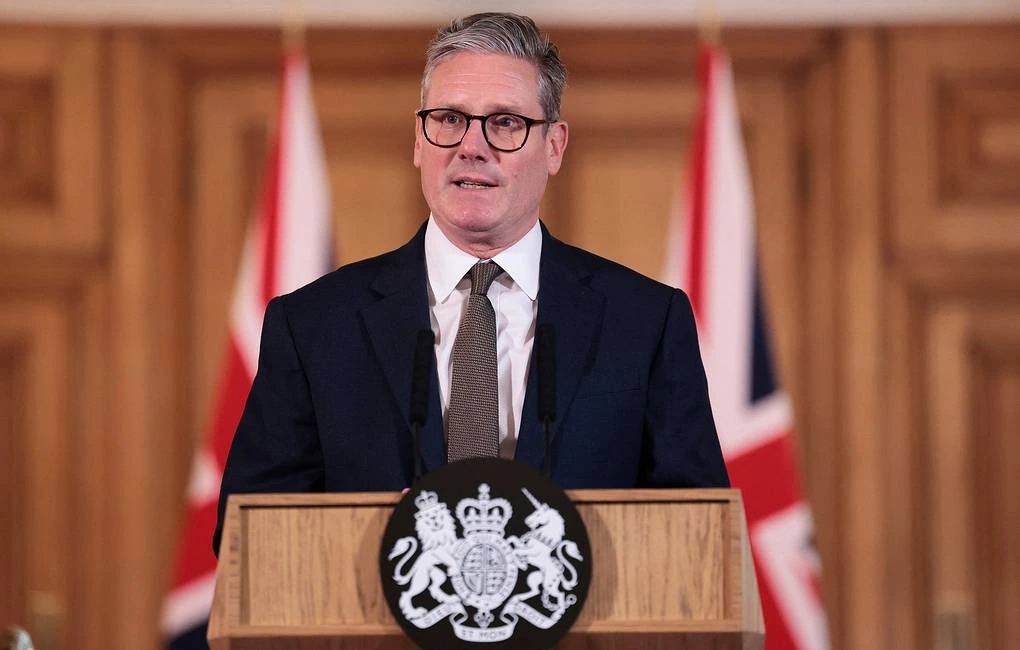
Prime Minister Keir Starmer described the move as the largest sustained rise in military funding since the Cold War, signaling a shift in priorities amid rising global security concerns.
To finance this increase, the overseas aid budget will be reduced from 0.5% to 0.3% of gross national income (GNI), sparking criticism from humanitarian organizations.
The decision comes as geopolitical tensions escalate, particularly with Russia’s invasion of Ukraine and growing uncertainties about NATO’s future role. Starmer emphasized that higher defense spending is essential for national security and maintaining the UK’s leadership within NATO.
The additional funding, estimated at £13.4 billion annually by 2027, will support job creation and innovation in sectors like cybersecurity and advanced technology.
UK Defense Spending and Foreign Aid
This announcement precedes Starmer’s meeting with U.S. President Donald Trump, who has consistently urged NATO allies to increase their defense budgets. Trump has warned that the U.S. may reduce its security commitments if European nations fail to contribute more, putting pressure on allies like the UK to act.
Critics argue that cutting the aid budget undermines Britain’s global influence and risks destabilizing vulnerable regions reliant on UK support. Humanitarian groups warn that the £6 billion reduction could harm global health initiatives and poverty alleviation efforts, with long-term consequences for global stability.
For investors and policymakers, this shift underscores a broader trend of increased defense spending across Europe as nations respond to evolving threats.
While proponents highlight economic benefits such as job creation and technological advancements, critics caution against neglecting international development, which could lead to greater instability over time. This policy reflects a recalibration of priorities in an increasingly volatile world.
This article was produced by The Rio Times’ automated newsroom system. How we use AI · Report an error · Editorial responsibility: Matthias Camenzind, Editor-in-Chief
Read More from The Rio Times