U.K. Shifts to War Footing: $95 Billion Military Surge Follows Kyiv’s Deep Strikes on Russia
Prime Minister Keir Starmer announced a $95 billion defense overhaul Monday, directly linking the move to Ukraine’s June 1 drone attacks on Russian airbases and rising NATO tensions.
The plan includes 12 nuclear-powered submarines, six missile factories, and a defense spending boost to 2.5% of GDP by 2027. Ukrainian forces destroyed 40 Russian combat jets in strikes reaching 4,000 km into Siberia, exposing vulnerabilities in conventional warfare.
NATO confirmed increased Russian submarine patrols near UK waters, prompting urgent upgrades to protect undersea internet cables and energy infrastructure.
The submarines, developed with the U.S. and Australia under the AUKUS pact, will patrol global waters starting in the 2030s. Scottish factories will produce 7,000 missiles annually to address shortages seen in Ukraine’s conflict, while nuclear facility upgrades in Berkshire create 9,000 jobs.
The government pledges 30,000 new defense roles to offset industrial declines in northern England. Funding comes partly from cuts to foreign aid budgets, drawing criticism from NATO allies.
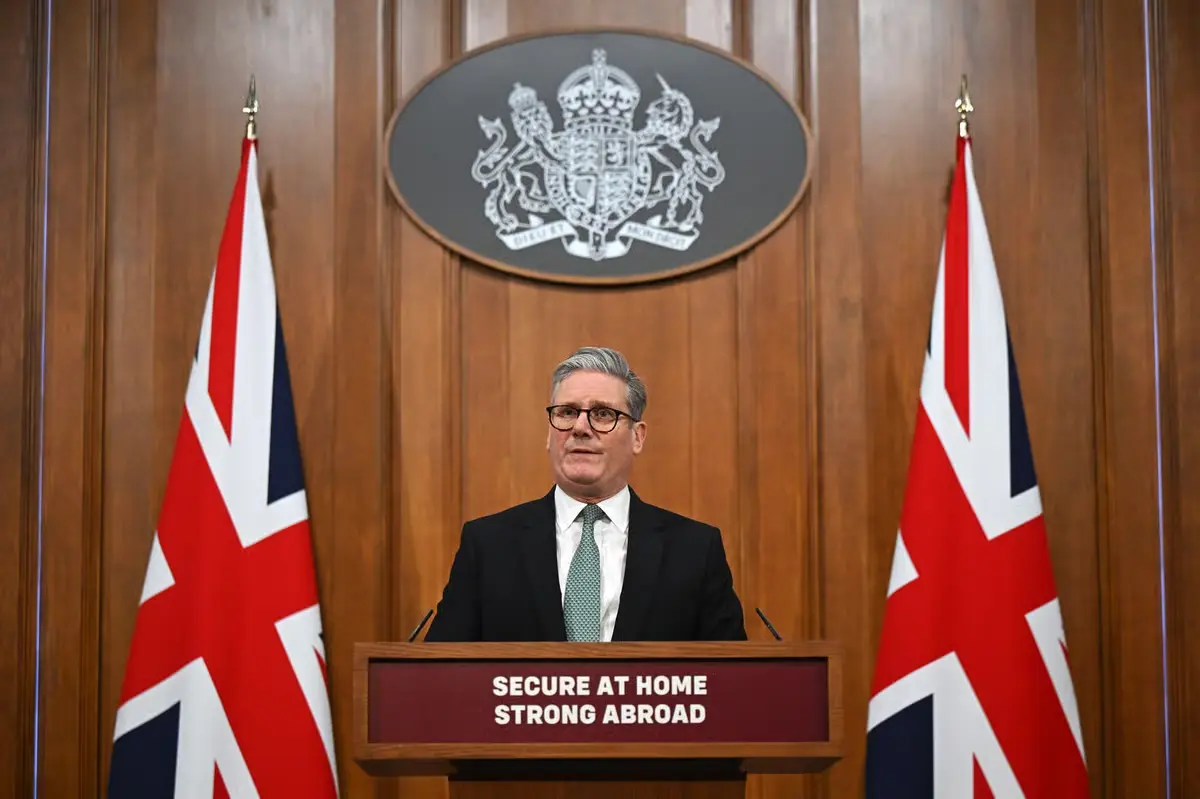
UK Defense Strategy Signals Shift Toward Armed Readiness
Lithuania’s defense ministry called the 2.5% GDP target “outdated,” urging a 3.5% minimum. A separate $1.35 billion cybersecurity program aims to counter Russian attacks on British power grids and hospitals.
Starmer tied the UK’s cost-of-living crisis to the war, citing disrupted shipping routes and energy market volatility. “The frontline is here,” he stated, referencing cyberattacks and economic warfare impacting civilians.
Official data shows a 12% military personnel shortfall, with housing reforms planned to boost recruitment. Analysts question timelines, as submarines won’t operate until the 2030s and missile plants require three years to open.
Starmer defended the schedule as “the cost of preventing full-scale war,” stressing preparedness against threats “unseen since the Cold War.”
The strategy merges military deterrence with economic revival, positioning defense contracts as stabilizers amid Europe’s worsening security climate. With Russia expanding its military to 1.5 million personnel, Britain’s moves signal a long-term shift from diplomacy to armed readiness.
This article was produced by The Rio Times’ automated newsroom system. How we use AI · Report an error · Editorial responsibility: Matthias Camenzind, Editor-in-Chief
Read More from The Rio Times