Trump Deploys National Guard as Washington D.C.’s Murder Rate Stays Among America’s Worst
President Trump sent the National Guard into Washington, D.C. because, even though some reports show a recent drop in violent crime, the capital remains a hotspot for murders and gun violence compared to other big American cities.
Neighborhoods like Anacostia continue to struggle with shootings and theft, and residents worry about their personal safety every day. These real problems stand in contrast to the more optimistic statements from city leaders and the slightly better statistics reported.
Mayor Muriel Bowser rejects Trump’s intervention and insists things are improving, citing recent police numbers. But businesses and everyday people still see regular crime, and Washington’s murder rate ranks among the nation’s highest for large metropolitan areas.
In comparison, cities like Dallas and Houston—led by Republican mayors—report steadier progress with public safety. These cities use more direct policing strategies and community support, helping families and companies feel safer and encouraging investment.
Trump’s decision to send in troops, made possible by Washington’s special status as a federal district, highlights the ongoing struggles between local and national government.
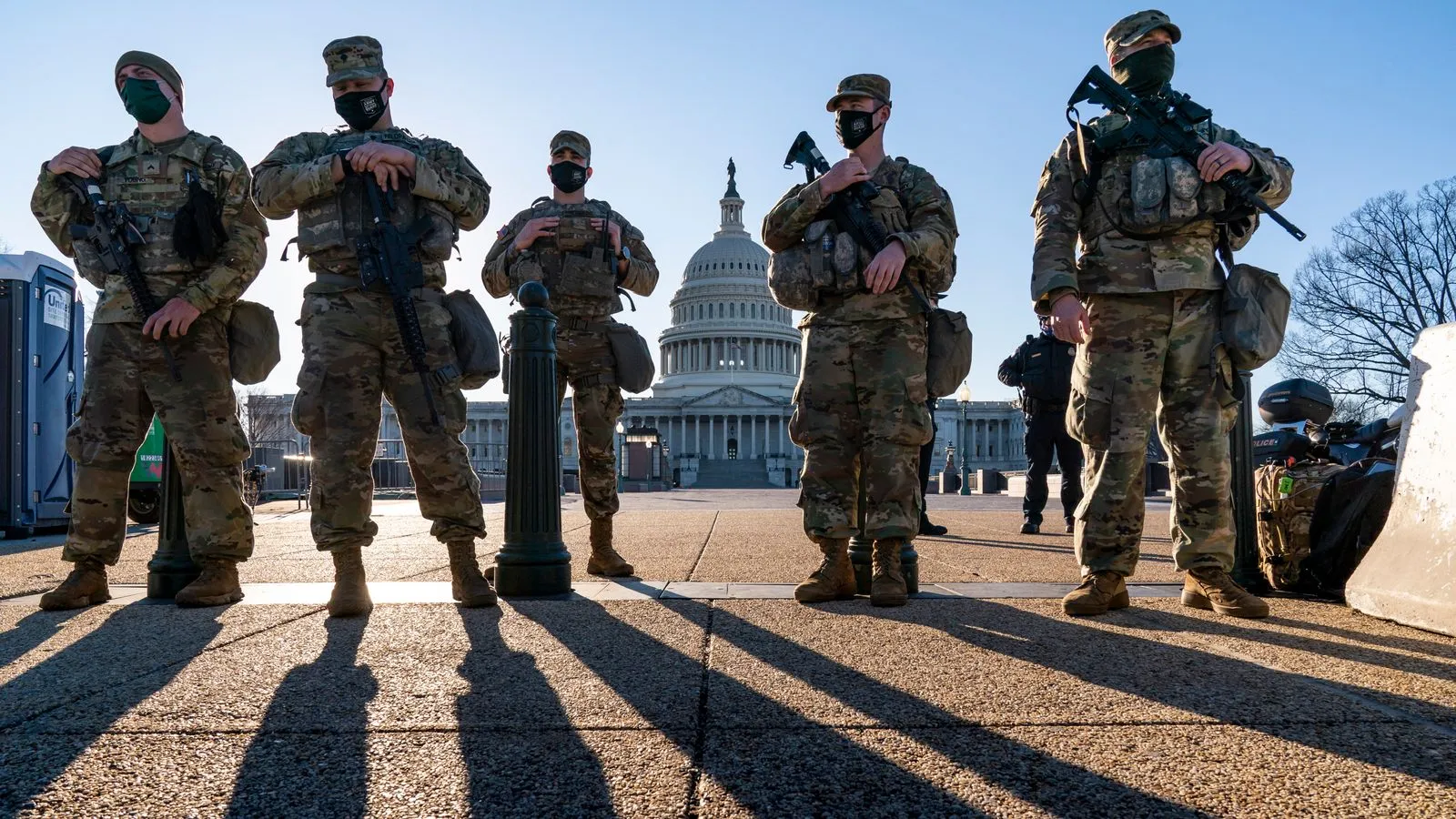
Critics say local leadership has failed to address the violence and instability. Federal action signals that Washington’s problems have reached a point where local solutions no longer reassure the public or investors.
People around the world should understand: The U.S. capital, center of government and business, now faces tough questions about crime, leadership, and trust.
Despite talk of improvement, Washington still sees far too many violent incidents compared to cities with stronger safety records.
Trump’s response shows just how serious—and embarrassing—the situation has become for a city meant to symbolize national strength. The story behind the headlines reflects deep challenges for democracy, business, and daily life in America’s capital.
This article was produced by The Rio Times’ automated newsroom system. How we use AI · Report an error · Editorial responsibility: Matthias Camenzind, Editor-in-Chief