
LATIN AMERICA · LANGUAGE
Key Facts
- —The country Mexico, Colombia and Argentina, each with its own swearing vocabulary.
- —The yardstick Dictionaries flag rude words as ‘malsonante’ (offensive) or ‘vulgar’.
- —Biggest trap Coger means ‘to take’ in Spain but is vulgar in Mexico.
- —Worst insults Mexico’s language academy calls ‘chinga a tu madre’ a very grave insult.
- —What happened Mexico’s top court left Mexico City’s verbal-insult rule standing in 2021.
- —What it means for you In Mexico City, insulting someone risks a fine of up to US$65.
What common Spanish swear words literally mean, how rude they are and why the same word lands differently across Latin America.
Curse words in Spanish change meaning across borders, and a joke in Buenos Aires can be an insult in Mexico City.
This guide ranks about 30 of them from mild to very offensive, using the Spanish-language academies’ own dictionaries. It is written for US visitors who want to understand what they hear without giving offence.
How Strong Are Curse Words in Spanish
No official body ranks swear words by strength. Dictionaries do something close: they attach labels warning that a word may offend.
The Real Academia Española (RAE), Spain’s language academy, publishes the standard dictionary of Spanish, known as the DLE. It marks offensive words malson., for malsonante, which it defines as language that offends modesty, good taste or religious feeling.
For the Americas, ASALE, the association of 23 Spanish-language academies, published the Diccionario de americanismos in 2010. It tags words vulg., for vulgar, or desp., for contemptuous, and names the countries where each meaning is used.
In Mexico, El Colegio de México, a public research institution, publishes the Diccionario del español de México (DEM). It labels words Groser, meaning crude, Ofensivo, meaning offensive, or Popular, meaning everyday informal speech.
The Academia Mexicana de la Lengua, Mexico’s language academy, hosts an online Diccionario breve de mexicanismos by Guido Gómez de Silva. Its entries flag rude words as voz malsonante, an offensive term.
The four levels below combine those labels with how each word is used. Treat them as a guide, because tone, company and place change everything.
- Level 1, mild: informal slang that is fine among friends but sounds careless with elders or at work.
- Level 2, rude: words the dictionaries mark crude, vulgar or offensive; never use them in formal or family settings.
- Level 3, offensive: direct insults that can end a friendship or start a fight.
- Level 4, very offensive: insults aimed at someone’s mother, and slurs about sexuality, race, ethnicity or disability.
Mexican Swear Words From Pendejo to Chingar
Much Mexican swearing grows from a handful of roots: chingar, madre (mother), pedo (fart) and verga (penis). Each entry below gives the literal meaning first, then the meaning people intend.
- Güey (level 1). Literally a popular form of buey, ox, which El Colegio de México lists as its first sense. The Academia Mexicana lists two senses, a fool and a way to address a trusted friend; El Colegio de México marks the ‘fool’ and ‘stranger’ senses offensive.
- Chingón (level 1 to 2). Built on chingar but positive. El Colegio de México defines it as someone among the best at their job, or a thing of high quality.
- Pinche (level 2). Literally a kitchen helper, still its meaning in Spain. In Mexico it means lousy or despicable and usually comes before a noun; the Academia Mexicana calls it offensive.
- Pendejo (level 2). Literally a pubic hair, from a Latin word for pubic hair, the RAE notes. In Mexico it means an idiot; El Colegio de México marks it crude and defines it as extremely foolish, even despicable.
- Cabrón (level 2 to 3). Literally a male goat. In Mexico it is an insult, yet also a greeting between close friends of the same age or younger, and estuvo cabrón means ‘it was tough’.
- No mames (level 2). Literally ‘don’t suck’. It means ‘no way’ or ‘stop talking nonsense’, and El Colegio de México marks it crude.
- Pedo (level 2). Literally a fart. It also means a fight or a problem, ni pedo means ‘oh well’ and andar pedo means to be drunk.
- Madre phrases (level 2 to 4). A toda madre means ‘great’ and qué poca madre means ‘how shameless’, both crude. Mentar la madre, to mention someone’s mother, means to insult them.
- Culero (level 3). In Mexico, a vile or treacherous person, or a coward. In Guatemala and Honduras the Diccionario de americanismos also records a vulgar sense aimed at gay men, so avoid it entirely.
- Verga (level 3). Literally penis. Valer verga means to not matter at all, and irse a la verga means to be ruined.
- Chingar and chingada (level 3 to 4). El Colegio de México defines chingar as to harm or pester someone gravely, and also to rape, and labels it crude and offensive. Vete a la chingada means ‘get lost’; chinga a tu madre is, in the Academia Mexicana’s words, a very grave insult.
Where does chingar come from? Nobody is sure: a 2022 paper in Decires, a journal of UNAM, Mexico’s national university, found no consensus.
Proposed sources range from Nahuatl, the language of the Aztecs, to Romani. Luis Fernando Lara, the linguist behind the DEM, argued in 2015 for an African root.
He linked it to singa, ‘to insult with words’, in Kimbundu and Kikongo, Bantu languages of west-central Africa. The same paper cites a 2010 book that recorded more than 100 meanings of the verb.

Colombian Swear Words From Berraco to Gonorrea
Colombia shares general words such as carajo and mierda but adds strong local insults. Several of them are ordinary nouns, including the name of a disease.
- Berraco or verraco (level 1 to 2). Literally a breeding boar, the RAE says. In Colombia it praises someone as brave or excellent at a job; it can also mean furious, a hard problem or, vulgarly, sexually aroused.
- Mamado (level 1). From mamar, to suckle. In Colombia it means exhausted or fed up; in Mexico the same word describes a muscular man.
- Carajo (level 2). Literally penis, per the RAE, which marks every sense offensive. Al carajo rejects something strongly, and in Colombia and Mexico el carajo can also mean a very distant place.
- Chimba (level 2). Una chimba is something excellent, and the word can also describe a good-looking person. The Diccionario de americanismos also records it as a vulgar word for the male genitals, so keep it for close friends.
- Hu(e)vón (level 2). Built on huevo, egg, which the RAE also lists as a vulgar word for testicle. It means stupid across much of South America, and Colombian young people also use it, vulgarly, for ‘guy’.
- Pendejo (level 2). As in Mexico, a fool. In Colombia it can also mean a coward.
- Malparido (level 3). From malparir, to miscarry, the RAE records. In Colombia it brands someone despicable, and the Diccionario de americanismos marks that use vulgar.
- Gonorrea (level 3). Literally the sexually transmitted disease. In Colombia it is an insult for a vile, despicable person, the Diccionario de americanismos records.
- Hijueputa (level 4 when aimed at someone). A contraction of hijo de puta, ‘son of a whore’. The Diccionario de americanismos marks it vulgar and lists it from Guatemala to Uruguay, Colombia included.
Context matters as much as the word. Berraco can praise a colleague or describe someone who is furious, depending on tone.
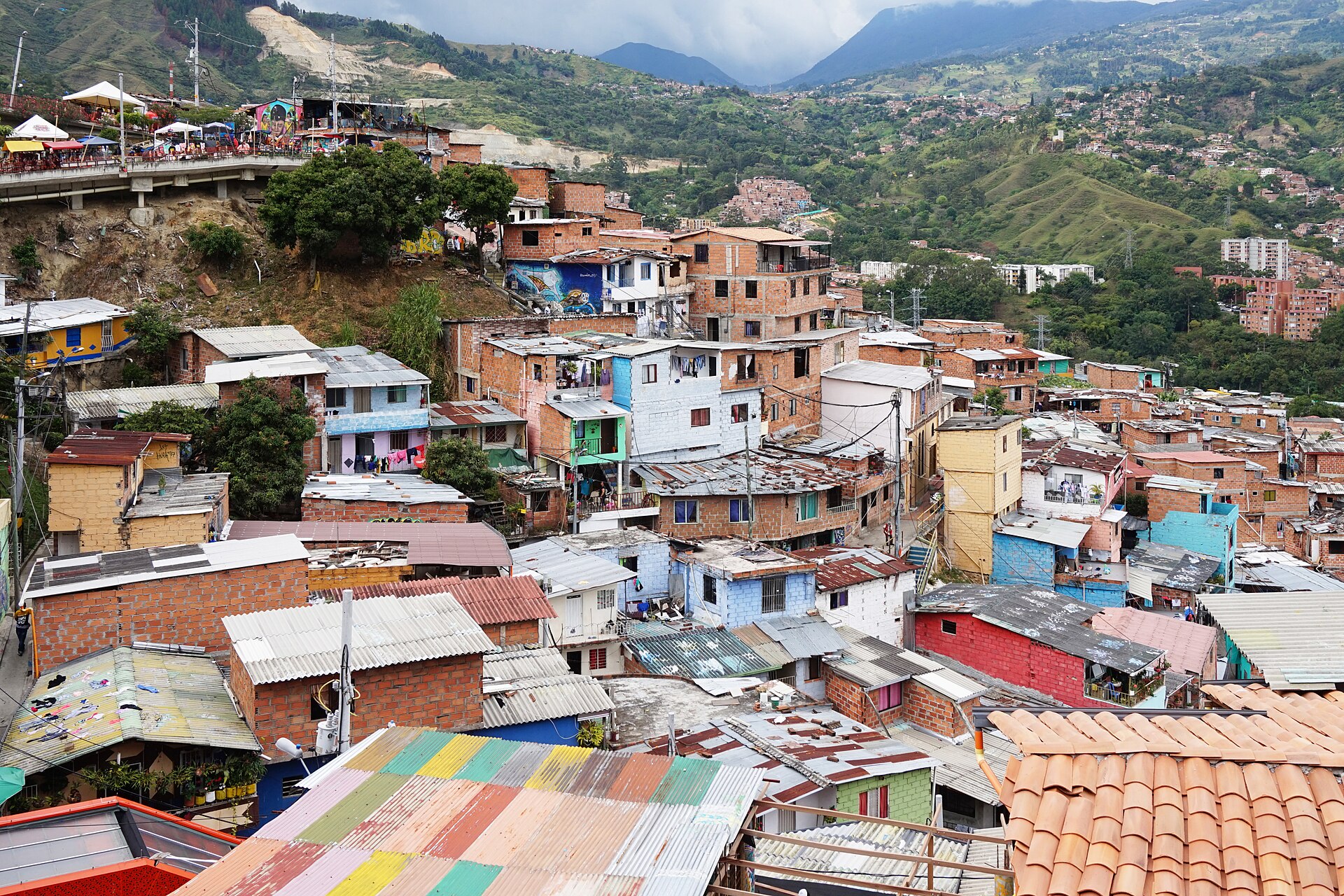
Argentine Swear Words From Boludo to Forro
Argentina shares much of its slang with Uruguay, as the entries below show. Its boludo and pelotudo share a build, the RAE shows: a word for ball plus the suffix -udo.
- Boludo (level 1 among friends, level 2 as an insult). The RAE marks it offensive for ‘foolish’ or ‘stupid’. The Diccionario de americanismos adds that young Argentines use it to address a friend; in Mexico it means lazy.
- Pelotudo (level 3). The same idea, but harder. The RAE defines it as someone not very bright, used as an insult in Argentina and Chile.
- Forro (level 3). Literally a lining, as in a coat; in Argentina and Uruguay it is also vulgar for condom. As an insult it means a stupid or inept person.
- Pendejo (level 1 to 2). In Argentina and Uruguay it means a kid or teenager. The RAE still marks that sense vulgar, so it is not for formal settings.
- Orto (level 2). A vulgar word for the anus. De orto means ‘by sheer luck’ in Argentina and Uruguay.
- Concha (level 3 to 4). In Argentina, Chile and Uruguay, a vulgar word for the vulva. La concha de tu madre is recorded as a grave insult in five countries, Argentina included.
- Chingar (harmless here). In Argentina and Uruguay it describes a hem that hangs unevenly or a garment stretched out of shape.
La concha de tu madre also works as an outburst of anger in Argentina, Chile and Uruguay, the dictionary notes. Even then, it is never something a visitor should say.
Same Word, Different Meaning Across Borders
Many embarrassing moments come from words that are harmless in one country and vulgar in the next. These are the clearest examples across this guide’s three countries and Spain.
- Coger. In Spain it means to take or grab, with no vulgar label. The RAE marks it vulgar for sex in Mexico, Argentina, Central America, Bolivia, Paraguay, the Dominican Republic, Uruguay and Venezuela.
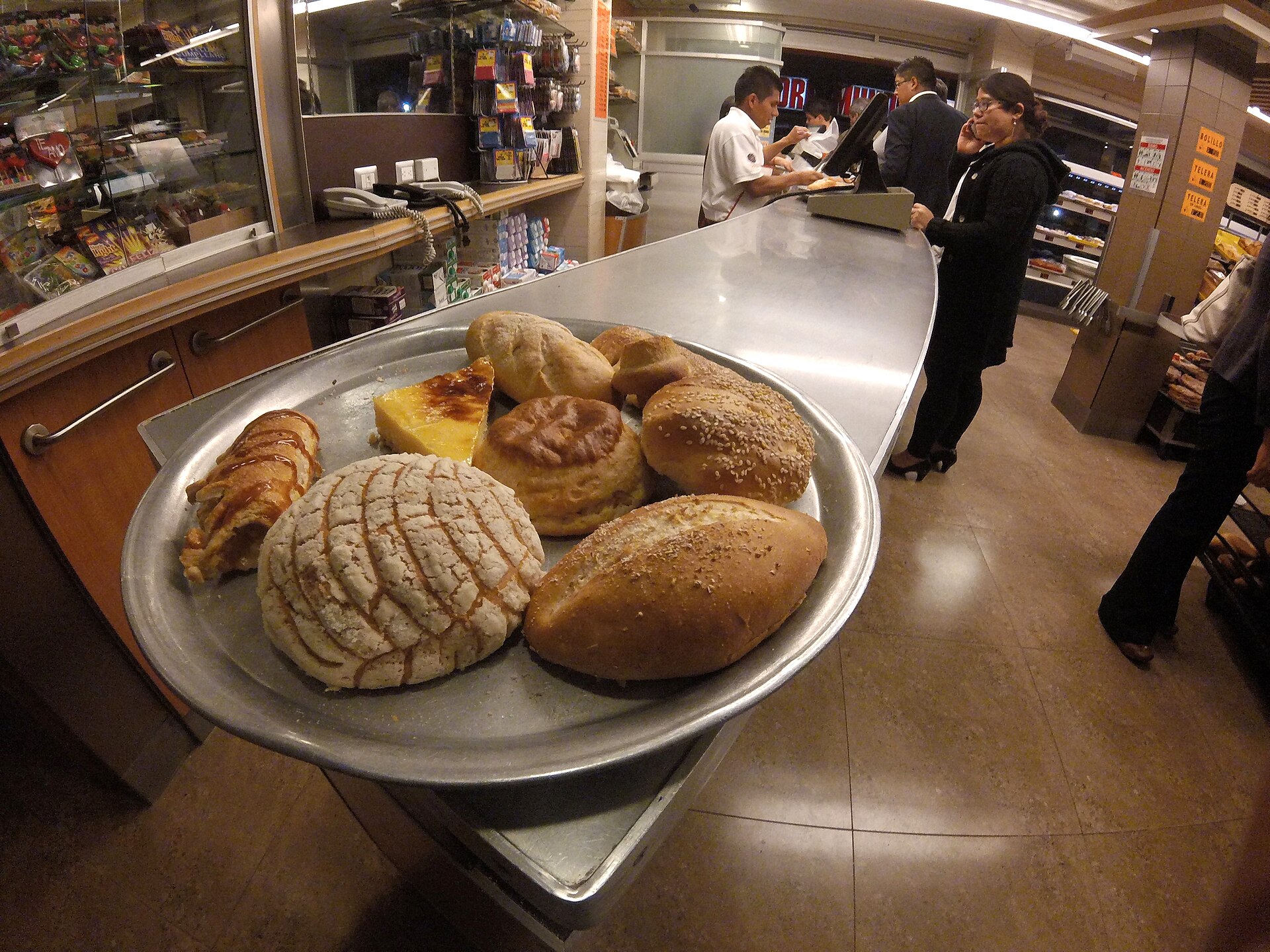
- Concha. In a Mexican bakery it is a round sweet bun with a sugary crust. In Argentina, Chile and Uruguay it is a vulgar word for the vulva.
- Pendejo. An idiot in Mexico and Colombia; a kid in Argentina and Uruguay.
- Pinche. Lousy in Mexico, a kitchen helper in Spain, a casual fling in Chile, and a pin or the office junior in Argentina.
- Mamado. Muscular in Mexico; worn out or fed up in Colombia.
- Chucha. Armpit odour, or an opossum, in central and western Colombia. In Argentina, Chile and Peru it is a vulgar word for the vulva.
- Boludo. Lazy in Mexico; a dimwit, or a friend, in Argentina.
- Hu(e)vón. Lazy in Mexico; stupid across Spanish-speaking South America.
The fix for coger is easy: say tomar un taxi or tomar el autobús, to take a taxi or a bus.
How Spain Swears Differently
Spain has its own vocabulary, which the RAE labels offensive and, in several cases, specific to Spain.
- Joder (level 2). Literally to have sex; it also means to annoy or to ruin, and works as an all-purpose exclamation. Every sense carries the RAE’s offensive label.
- Coño (level 2 to 3). Literally the vulva. As an exclamation it shows surprise or anger, and the RAE marks both uses offensive.
- Hostia (level 2). Literally the communion wafer of the Catholic Mass. In Spain it also means a slap, and hostia or hostias is a cry of surprise; the RAE marks those uses offensive.
- Gilipollas (level 3). A Spain-only word for a fool or idiot, marked offensive by the RAE.
- Cabrón (level 3). Literally a male goat. Its offensive senses in the RAE dictionary include a nasty troublemaker and a man whose wife is unfaithful.
Joder also crossed the Atlantic with softer senses. The Diccionario de americanismos records it for joking around or having fun in much of Latin America, though still marked vulgar.
Words to Avoid in Formal and Family Settings
The safest rule for a US visitor is simple: do not swear in Spanish until you can hear the difference yourself.
With hosts, older relatives, officials, police and business contacts, avoid everything from level 2 up. Even level 1 slang such as güey or boludo can sound disrespectful from a stranger.
- Never insult anyone’s mother, in any form or as a joke.
- Never use slurs about sexuality, race, ethnicity, disability or class, even ones locals seem to use casually. This guide does not list them.
- Never call a stranger güey, boludo, hu(e)vón or cabrón, even with a smile.
- Replace coger with tomar or agarrar in Mexico and Argentina.
- Skip pinche in Mexico, however often you hear it on the street.
Swearing at people can also break local rules. Mexico City’s Civic Culture Law lists degrading, intimidating or mistreating any person, physically or verbally, as an offence against dignity.
It is a class A offence, punished by a fine of 1 to 10 UMA or 6 to 12 hours of arrest. Community work of 3 to 6 hours is the third option.
The UMA, a reference value set by INEGI, Mexico’s statistics agency, is 117.31 pesos (about US$6.53) from February 2026. So the top fine is 1,173.10 pesos, about US$65.
Conversions use Banco de México’s FIX rate of 7 October 2026, 17.978 pesos per US dollar. Degrading or intimidating a police officer is class E: 20 to 36 hours of community work that cannot be commuted.
In April 2021, Mexico’s Supreme Court heard a challenge to the word ‘verbally’ in that rule. The bid to strike it failed to reach the required supermajority, so the rule stands.
What It Means for US Readers
For most US visitors the risk is social, not legal: a misplaced word can embarrass a host or sour a business meeting.
Spanish picked up from Mexican friends in the United States does not always travel well. Concha and pendejo change meaning in Buenos Aires, while coger is vulgar in both countries but harmless in Madrid.
Listen first, and use substitutes that carry no risk. El Colegio de México lists ¡chin! and ¡caray! for annoyance, and the RAE records miércoles, Wednesday, as a euphemism for mierda.
In Mexico, no la friegues, from fregar, to scrub, is an informal but not crude way to show annoyance. Formal Spanish rarely needs anything stronger.
Classes help with the local layer. Rio Times guides cover learning Spanish in Mexico, in Colombia and in Argentina.
A separate guide covers learning Spanish in Costa Rica, including its formal usted. More regional coverage sits on the Rio Times Latin America page.
What Is Not Known
No academy or survey publishes an official ranking of how offensive Spanish swear words are. The four levels here are an editorial guide built on dictionary labels.
Usage moves faster than dictionaries: the Diccionario de americanismos dates from 2010, and youth slang changes quickly. Offence also varies by region, class, age and setting within each country.
The Mexico City fines follow the civic law as amended to 24 December 2025, per a copy from PAOT, a city agency. The city’s official legal portal did not load, so later changes cannot be ruled out.
Colombia and Argentina have their own local rules on public conduct. This guide did not review them.
Frequently Asked Questions
Are curse words in Spanish the same in every country?
Only partly: the main RAE senses of mierda, carajo and joder carry no country label. Most insults, however, are local.
What is the worst swear word in Spanish?
There is no official ranking, but dictionaries describe insults to someone’s mother as very grave. Mexico’s language academy calls chinga a tu madre a very grave insult.
Does pendejo mean the same thing everywhere?
No, it changes by country. In Mexico it is a crude word for an idiot, while in Argentina and Uruguay it can mean a kid or teenager.
Why is coger a bad word in Mexico but not in Spain?
The RAE records coger as a vulgar word for sex in Mexico, Argentina and several other countries, but not in Spain. There it simply means to take or grab.
What does boludo mean in Argentina?
It means foolish or stupid, and the RAE marks it offensive. Among young friends it also works as a casual form of address, like ‘dude’.
Can I say güey in Mexico?
Young Mexicans use it among friends, but El Colegio de México marks its ‘fool’ and ‘stranger’ senses offensive. Avoid it with strangers, elders and officials.
Is it illegal to insult someone in Mexico City?
The city’s civic law punishes verbally degrading, intimidating or mistreating a person. Penalties include a fine of up to about US$65 or 6 to 12 hours of arrest.
Sources: Primary: Real Academia Española, Diccionario de la lengua española (entries coger, joder, pendejo, boludo, pelotudo, carajo, hostia, gilipollas, malsonante); ASALE, Diccionario de americanismos (2010) (entries incl. gonorrea, concha, chucha, boludo); El Colegio de México, Diccionario del español de México; Academia Mexicana de la Lengua, Diccionario breve de mexicanismos; Simón Ruiz, Decires (UNAM), July 2022; Ley de Cultura Cívica de la Ciudad de México (reforms to 24 December 2025); Supreme Court of Mexico, A.I. 72/2019; INEGI, UMA 2026; Banco de México, FIX rate (all accessed 8 October 2026).
Editorial responsibility: Matthias Camenzind, Editor-in-Chief · Editorial standards · Report an error