IBOV 192,114.55 ▲ 2.63% IPSA 10,916.59 ▲ 0.08% IPC MEX 63,712.24 ▼ 0.18% MERVAL 2,767,663 ▲ 0.32% COLCAP 2,515.02 ▼ 0.59% BVL PERÚ 59,751.67 ▲ 0.18% USD/BRL5.22▲ 0.09% USD/MXN18.15▼ 0.83% USD/CLP989.60▲ 0.35% USD/COP3,263▼ 1.50% USD/PEN3.43▼ 0.53% USD/ARS1,524▼ 0.04% USD/UYU40.46▲ 3.55% USD/PYG5,821▲ 2.69% USD/BOB11.93▲ 2.09% USD/DOP59.90▲ 0.67% USD/CRC456.38▲ 3.02% USD/GTQ7.64▲ 3.14% USD/HNL26.86▲ 3.19% USD/NIO36.62▲ 2.63% USD/VES864.39▼ 0.13% USD/PAB1.00— 0.00% USD/BZD2.00— 0.00% USD/JMD 157.28 — 0.00% USD/TTD6.69▲ 1.67% EUR/BRL5.87▲ 0.03% BRENT 88.88 ▼ 0.03% WTI 83.11 ▼ 0.11% IRON ORE 161.91 — — COPPER 6.61 ▲ 0.03% GOLD 4,461 ▲ 1.78% SILVER 65.59 ▲ 1.26% SOY 1,184 ▲ 3.20% CORN 480.50 ▲ 10.02% WHEAT 655.00 ▲ 3.93% COFFEE 317.25 ▼ 5.51% SUGAR 16.43 ▼ 1.79% ORANGE JUICE 138.55 ▼ 0.47% COTTON 85.03 ▲ 2.33% COCOA 5,719 ▲ 3.18% BEEF 223.60 ▼ 3.93% CATTLE 339.10 ▼ 3.16% LITHIUM 75.20 ▲ 1.47% PETR4 41.64 ▼ 0.05% VALE3 72.97 ▲ 0.83% ITUB4 38.60 ▼ 1.03% BBDC4 16.85 ▲ 0.36% ABEV3 14.89 ▼ 0.80% BBAS3 19.37 ▲ 0.47% B3SA3 14.26 ▼ 0.21% WEGE3 47.59 ▲ 0.49% PRIO3 59.14 ▼ 0.19% SUZB3 41.33 ▲ 2.35% RENT3 34.68 ▼ 0.09% AZZA3 15.89 ▼ 2.63% CSAN3 3.22 ▼ 1.83% RAIZ4 0.25 — 0.00% PCAR3 2.75 ▼ 0.36% GMAT3 3.65 ▼ 1.08% PSSA3 48.13 ▼ 0.54% CVCB3 1.33 ▼ 2.92% POSI3 3.36 ▲ 2.44% SLCE3 13.34 ▲ 0.30% NATU3 8.14 ▼ 0.73% IBOV 192,114.55 ▲ 2.63% IPSA 10,916.59 ▲ 0.08% IPC MEX 63,712.24 ▼ 0.18% MERVAL 2,767,663 ▲ 0.32% COLCAP 2,515.02 ▼ 0.59% BVL PERÚ 59,751.67 ▲ 0.18% USD/BRL 5.16 ▲ 0.01% USD/MXN 17.06 ▼ 0.24% USD/CLP 913.98 ▲ 0.04% USD/COP 3,140 ▲ 0.03% USD/PEN 3.36 ▼ 0.66% USD/ARS 1,493 ▲ 0.10% USD/UYU 40.27 ▲ 1.24% USD/PYG 5,939 ▲ 1.68% USD/BOB 11.64 ▼ 0.76% USD/DOP 58.34 ▲ 1.25% USD/CRC 445.92 ▲ 0.89% USD/GTQ 7.62 ▲ 2.21% USD/HNL 26.79 ▲ 1.57% USD/NIO 36.62 ▲ 0.69% USD/VES 762.44 ▼ 0.13% USD/PAB 1.00 — 0.00% USD/BZD 2.00 — 0.00% USD/JMD 157.28 — 0.00% USD/TTD 6.70 ▲ 0.61% EUR/BRL 5.95 ▲ 1.01% BRENT 88.88 ▼ 0.03% WTI 83.11 ▼ 0.11% IRON ORE 161.91 — — COPPER 6.61 ▲ 0.03% GOLD 4,461 ▲ 1.78% SILVER 65.59 ▲ 1.26% SOY 1,184 ▲ 3.20% CORN 480.50 ▲ 10.02% WHEAT 655.00 ▲ 3.93% COFFEE 317.25 ▼ 5.51% SUGAR 16.43 ▼ 1.79% ORANGE JUICE 138.55 ▼ 0.47% COTTON 85.03 ▲ 2.33% COCOA 5,719 ▲ 3.18% BEEF 223.60 ▼ 3.93% CATTLE 339.10 ▼ 3.16% LITHIUM 75.20 ▲ 1.47% PETR4 41.64 ▼ 0.05% VALE3 72.97 ▲ 0.83% ITUB4 38.60 ▼ 1.03% BBDC4 16.85 ▲ 0.36% ABEV3 14.89 ▼ 0.80% BBAS3 19.37 ▲ 0.47% B3SA3 14.26 ▼ 0.21% WEGE3 47.59 ▲ 0.49% PRIO3 59.14 ▼ 0.19% SUZB3 41.33 ▲ 2.35% RENT3 34.68 ▼ 0.09% AZZA3 15.89 ▼ 2.63% CSAN3 3.22 ▼ 1.83% RAIZ4 0.25 — 0.00% PCAR3 2.75 ▼ 0.36% GMAT3 3.65 ▼ 1.08% PSSA3 48.13 ▼ 0.54% CVCB3 1.33 ▼ 2.92% POSI3 3.36 ▲ 2.44% SLCE3 13.34 ▲ 0.30% NATU3 8.14 ▼ 0.73%
since 2009
Saturday, October 3, 2026

World-News North America

Shutdown In Washington, And The Deeper Fight Behind It

By · October 1, 2025 · 2 min read

Just after midnight on October 1, the U.S. federal government shut down for the first time since 2019. Senators failed to pass a stopgap bill—the routine bridge that keeps agencies funded while longer budgets are negotiated.

Two rival plans were put to votes and both fell short, reflecting a broader clash over health-care spending and how much policy to attach to a short-term funding bill.

What this means in practice: non-essential government work pauses; hundreds of thousands of federal employees are furloughed or told to work without pay until funding is restored; essential services such as Social Security, Medicare, the military, and border operations continue but with thinner support.

Airports stay open, yet staffing strains can slow screening and training. National parks and museums close or curtail services. Grants, permits, and some safety inspections are delayed.

By law, federal workers receive back pay when the shutdown ends, but missed paychecks still bite. The story behind the story is structural. A 60-vote threshold in the Senate gives the minority effective veto power.
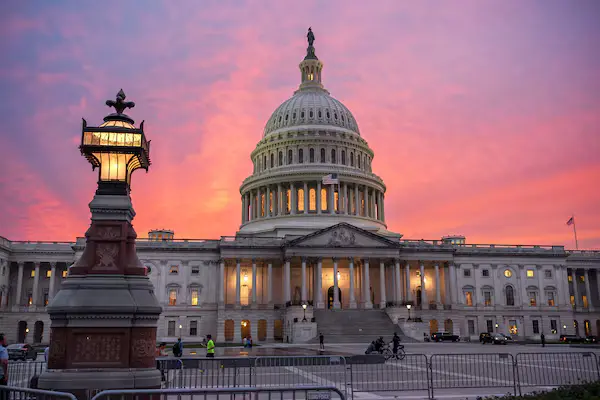
Shutdown In Washington, And The Deeper Fight Behind It
Shutdown In Washington, And The Deeper Fight Behind It.
One-stop reference
Company Intelligence
Every listed company in Latin America — financials, ownership and structure for 1,450+ companies across 26 exchanges, in one place.
Browse the directory →
RT
Ask Rio Times
17 years of Latin America reporting, on demand.
Open the full Ask Rio Times →

When parties disagree not just on numbers but on policy—this time, health-care subsidies and program cuts—short-term bills become leverage.

The LatAm Brief

One email, every weekday morning. What moved in Latin American markets, politics and expat life.

Yesterday’s subject line: “Brazil votes Sunday: Lula 45%, Flávio 40%, and the 50% line”

Free. We send a confirmation link first — nothing arrives until you click it. Unsubscribe with one click in any edition. If you stop opening us for 30 days we stop sending by ourselves, as we assume the interest is no longer there. See our privacy policy. We never share your email.

Leaders also play to their bases: Republicans pressed a “clean” extension with spending restraint; Democrats demanded health-care measures inside the bridge bill. Public finger-pointing hardens positions, even as both sides know shutdowns are unpopular.

U.S. Government Shutdown Risks Global Ripple Effects

The economic effects depend on duration. The 2018–2019 shutdown lasted 35 days and reduced U.S. GDP by billions, with some losses never recovered.

Each week of disruption adds friction for households and businesses that rely on federal decisions, from small-business loans to research approvals.

Internationally, travelers can face slower processes, and delays can ripple through visas, trade paperwork, and aviation oversight—issues that matter well beyond Washington.

Why this matters to readers everywhere: U.S. budget standoffs shape global confidence. They rattle timelines for flights, research, energy projects, and trade, and they signal how hard it will be for Washington to make bigger decisions next—on debt, defense, or health care.

The immediate question is simple: when will Congress agree on a bridge to turn the lights fully back on? The harder question is whether the system can avoid making this crisis a habit.

This article was produced by The Rio Times’ automated newsroom system. How we use AI · Report an error · Editorial responsibility: Matthias Camenzind, Editor-in-Chief

The Rio Times · Power Map
See who really holds power in Latin America
Click to open the Power Map →

Rotate for Best Experience

This report is optimized for landscape viewing. Rotate your phone for the full experience.