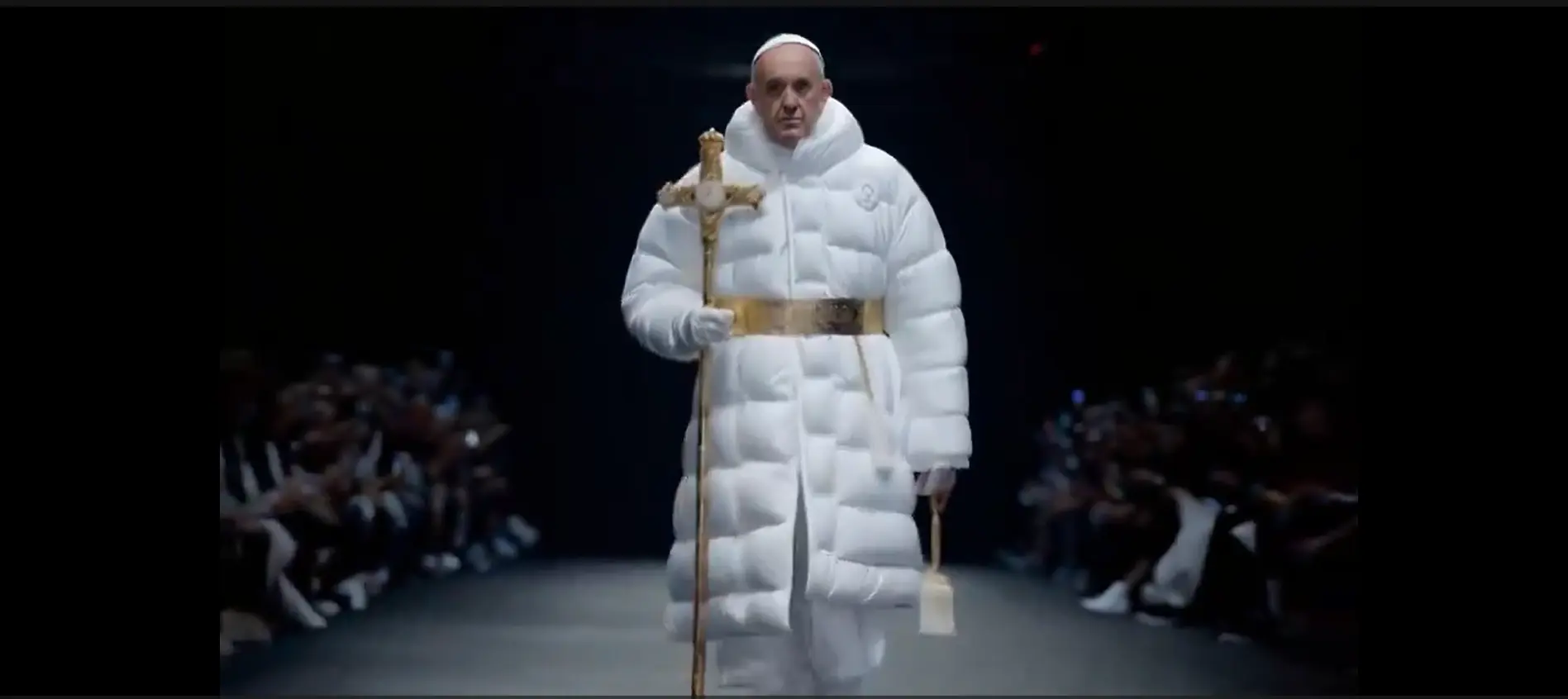
Elon Musk recently captivated the internet by sharing a deepfake video with celebrities like Donald Trump and Mark Zuckerberg.
These digital replicas, dressed in futuristic outfits, sparked a heated debate over the ethical concerns and misuse of deepfake technology.
This event demonstrated how deepfakes blur the line between reality and digital manipulation, posing risks of misleading the public.
Deepfake technology began with a Reddit user in late 2017. It manipulates video and audio to create lifelike replicas of people saying or doing things they never did.
This technology has skyrocketed, creating vast implications. Deepfake software uses artificial intelligence, specifically generative adversarial networks (GANs).
[arve url=”https://www.riotimesonline.com/wp-content/uploads/1721/46/Deepfake-Musk.mp4″ /]
Two algorithms, one creating the fake and the other judging its authenticity, refine each other, producing outputs with unsettling accuracy.
The misuse potential is vast. Initially, it allowed swapping celebrity faces into videos, but now it risks political disinformation, financial fraud, and personal defamation.
Imagine fake videos where a CEO announces massive layoffs or a political leader declares war. The consequences could be disastrous.
Detecting these fakes is vital. Tools that identify anomalies in facial expressions, voice mismatches, and unnatural lighting are essential.
Public awareness is also key. The more people know about deepfakes, the more critically they can view suspicious content. Education and technology strive to maintain digital media integrity.
This narrative is not just about technology but ethics in the digital age. As these fabrications become more sophisticated, distinguishing truth from fiction gets tougher.
Shadows and Silhouettes: The Deepfake Dilemma Unfolds
This article was produced by The Rio Times’ automated newsroom system. How we use AI · Report an error · Editorial responsibility: Matthias Camenzind, Editor-in-Chief