Sanctions Bite as Venezuela Sells More Oil to Fewer Buyers
Venezuela is keeping its oil production steady, even as U.S. sanctions continue to pressure its oil industry. According to the latest report from OPEC, Venezuela pumped 1,069,000 barrels per day in June 2025 using official data.
However, independent sources reported a lower figure of 910,000 barrels per day. Both figures are above last year’s averages, showing that the country is holding output stable — for now.
This comes despite the U.S. reimposing full sanctions earlier this year, including revoking licenses for firms like Chevron. These measures cut Venezuela off from much-needed foreign technology, investment, and markets.
These factors had already driven the country’s oil production down by more than 60% since 2015. Venezuela’s oil exports once went mostly to the U.S. and Europe. Now, around 90% go to China, often through intermediaries at discounted prices.
Its main crude grade, Merey, sold for about $56.86 a barrel in June—lower than international averages and far less than lighter, easier-to-refine oils. This price means lower revenue, especially with production costs rising.
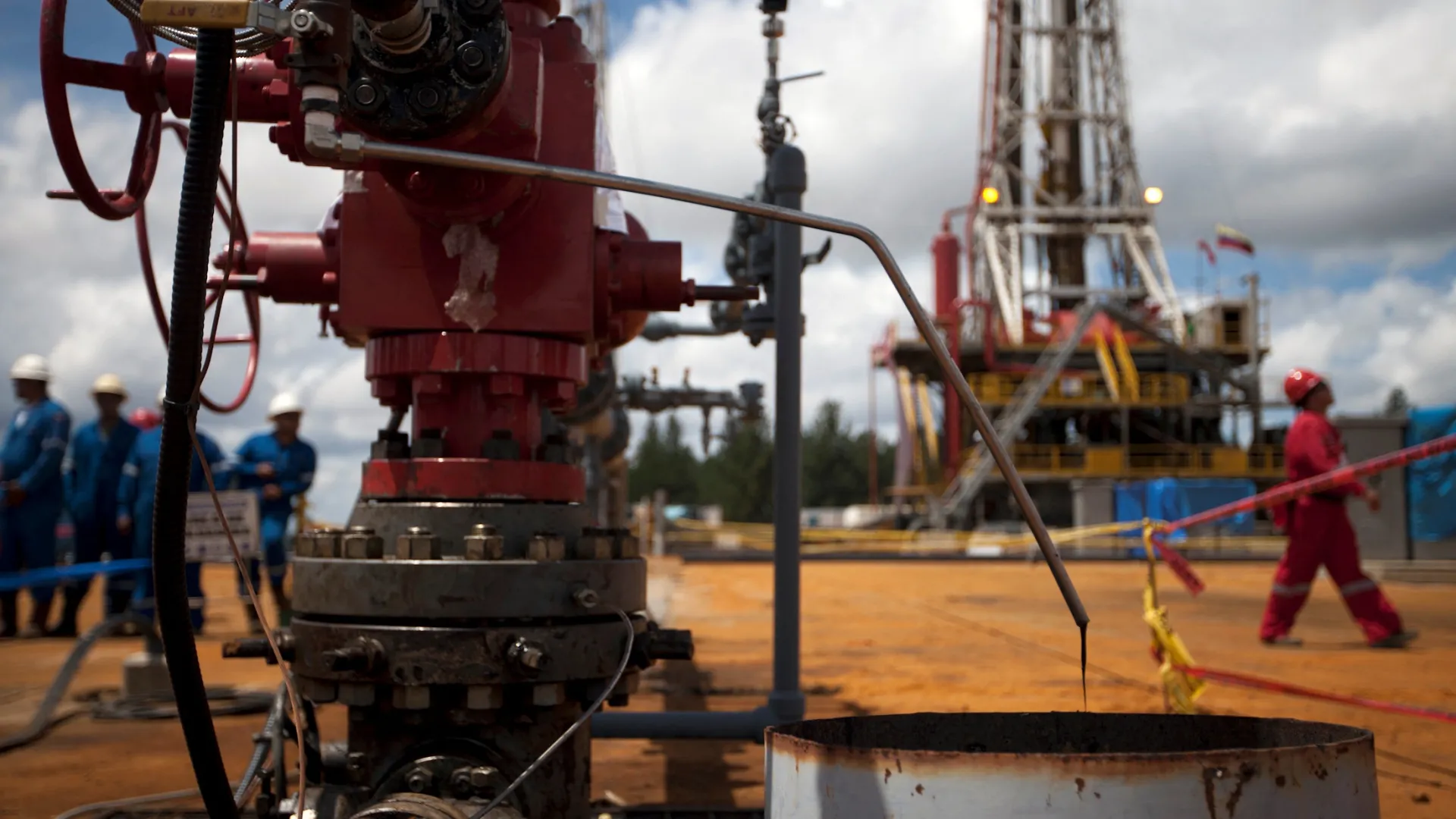
Merey is a heavy crude that requires imported chemicals to make it export-ready. These costs cut further into profits. Joint ventures with foreign companies have been reduced to bare operations.
Chevron’s project, Petropiar, still runs, but only at limited capacity due to restrictions on servicing equipment and bringing in parts. Ten years ago, Venezuela produced over 2 million barrels per day.
Today, it produces less than half. The fall mostly happened after 2017, when U.S. financial sanctions blocked Venezuela from accessing global markets and equipment.
The oil sector powers nearly all of Venezuela’s economy. Without strong and consistent exports, the country struggles to bring in foreign currency, pay for imports, and stabilize its economy. Although production hasn’t collapsed entirely, there is little sign of growth ahead.
The story behind the numbers is simple: Venezuela is selling less oil, to fewer buyers, for less money. Sanctions have forced it to adapt and survive, but not to rebuild.
Its remaining buyers demand lower prices, and its state-run oil firm, PDVSA, lacks the funds and tools to boost output or repair aging infrastructure. Venezuela’s oil is still flowing, but every barrel comes with higher costs and fewer choices.
For the global market, this is a lesson in how sanctions shape supply—and how one oil-rich nation has gone from a major player to a marginal supplier, with little control over its own trade.
More: Latin America news in English, every day from The Rio Times.
This article was produced by The Rio Times’ automated newsroom system. How we use AI · Report an error · Editorial responsibility: Matthias Camenzind, Editor-in-Chief