IBOV 170,934.30 ▲ 1.79% IPSA 11,379.66 ▲ 1.26% IPC MEX 65,223.89 ▲ 1.36% MERVAL 2,904,791 ▲ 1.00% COLCAP 2,465.35 ▲ 0.86% BVL PERÚ 58,698.13 ▲ 2.27% USD/BRL5.14▼ 1.08% USD/MXN16.92▼ 0.22% USD/CLP914.28▼ 0.85% USD/COP3,037▼ 0.47% USD/PEN3.35▼ 0.17% USD/ARS1,499▲ 0.12% USD/UYU40.20▲ 1.58% USD/PYG5,996▲ 1.55% USD/BOB11.43▲ 0.41% USD/DOP58.82▲ 0.20% USD/CRC450.05▲ 3.34% USD/GTQ7.62▲ 2.21% USD/HNL26.81▲ 0.31% USD/NIO36.62▲ 0.29% USD/VES778.00▼ 0.13% USD/PAB1.00— 0.00% USD/BZD2.00— 0.00% USD/JMD 157.28 — 0.00% USD/TTD6.71▲ 0.79% EUR/BRL6.00▼ 0.62% BRENT 88.88 ▼ 0.03% WTI 83.11 ▼ 0.11% IRON ORE 161.91 — — COPPER 6.61 ▲ 0.03% GOLD 4,461 ▲ 1.78% SILVER 65.59 ▲ 1.26% SOY 1,184 ▲ 3.20% CORN 480.50 ▲ 10.02% WHEAT 655.00 ▲ 3.93% COFFEE 317.25 ▼ 5.51% SUGAR 16.43 ▼ 1.79% ORANGE JUICE 138.55 ▼ 0.47% COTTON 85.03 ▲ 2.33% COCOA 5,719 ▲ 3.18% BEEF 223.60 ▼ 3.93% CATTLE 339.10 ▼ 3.16% LITHIUM 75.20 ▲ 1.47% PETR4 41.64 ▼ 0.05% VALE3 72.97 ▲ 0.83% ITUB4 38.60 ▼ 1.03% BBDC4 16.85 ▲ 0.36% ABEV3 14.89 ▼ 0.80% BBAS3 19.37 ▲ 0.47% B3SA3 14.26 ▼ 0.21% WEGE3 47.59 ▲ 0.49% PRIO3 59.14 ▼ 0.19% SUZB3 41.33 ▲ 2.35% RENT3 34.68 ▼ 0.09% AZZA3 15.89 ▼ 2.63% CSAN3 3.22 ▼ 1.83% RAIZ4 0.25 — 0.00% PCAR3 2.75 ▼ 0.36% GMAT3 3.65 ▼ 1.08% PSSA3 48.13 ▼ 0.54% CVCB3 1.33 ▼ 2.92% POSI3 3.36 ▲ 2.44% SLCE3 13.34 ▲ 0.30% NATU3 8.14 ▼ 0.73% IBOV 170,934.30 ▲ 1.79% IPSA 11,379.66 ▲ 1.26% IPC MEX 65,223.89 ▲ 1.36% MERVAL 2,904,791 ▲ 1.00% COLCAP 2,465.35 ▲ 0.86% BVL PERÚ 58,698.13 ▲ 2.27% USD/BRL 5.16 ▲ 0.01% USD/MXN 17.06 ▼ 0.24% USD/CLP 913.98 ▲ 0.04% USD/COP 3,140 ▲ 0.03% USD/PEN 3.36 ▼ 0.66% USD/ARS 1,493 ▲ 0.10% USD/UYU 40.27 ▲ 1.24% USD/PYG 5,939 ▲ 1.68% USD/BOB 11.64 ▼ 0.76% USD/DOP 58.34 ▲ 1.25% USD/CRC 445.92 ▲ 0.89% USD/GTQ 7.62 ▲ 2.21% USD/HNL 26.79 ▲ 1.57% USD/NIO 36.62 ▲ 0.69% USD/VES 762.44 ▼ 0.13% USD/PAB 1.00 — 0.00% USD/BZD 2.00 — 0.00% USD/JMD 157.28 — 0.00% USD/TTD 6.70 ▲ 0.61% EUR/BRL 5.95 ▲ 1.01% BRENT 88.88 ▼ 0.03% WTI 83.11 ▼ 0.11% IRON ORE 161.91 — — COPPER 6.61 ▲ 0.03% GOLD 4,461 ▲ 1.78% SILVER 65.59 ▲ 1.26% SOY 1,184 ▲ 3.20% CORN 480.50 ▲ 10.02% WHEAT 655.00 ▲ 3.93% COFFEE 317.25 ▼ 5.51% SUGAR 16.43 ▼ 1.79% ORANGE JUICE 138.55 ▼ 0.47% COTTON 85.03 ▲ 2.33% COCOA 5,719 ▲ 3.18% BEEF 223.60 ▼ 3.93% CATTLE 339.10 ▼ 3.16% LITHIUM 75.20 ▲ 1.47% PETR4 41.64 ▼ 0.05% VALE3 72.97 ▲ 0.83% ITUB4 38.60 ▼ 1.03% BBDC4 16.85 ▲ 0.36% ABEV3 14.89 ▼ 0.80% BBAS3 19.37 ▲ 0.47% B3SA3 14.26 ▼ 0.21% WEGE3 47.59 ▲ 0.49% PRIO3 59.14 ▼ 0.19% SUZB3 41.33 ▲ 2.35% RENT3 34.68 ▼ 0.09% AZZA3 15.89 ▼ 2.63% CSAN3 3.22 ▼ 1.83% RAIZ4 0.25 — 0.00% PCAR3 2.75 ▼ 0.36% GMAT3 3.65 ▼ 1.08% PSSA3 48.13 ▼ 0.54% CVCB3 1.33 ▼ 2.92% POSI3 3.36 ▲ 2.44% SLCE3 13.34 ▲ 0.30% NATU3 8.14 ▼ 0.73%
since 2009
Friday, August 21, 2026

Africa Western Africa

Sahel’s Gold Rush: Military Juntas Seize Control Amid Foreign Tensions

By · January 16, 2025 · 2 min read

Africa Intelligence

A daily Africa read from a Latin American newsroom. Free.

By subscribing you agree to our privacy policy. We never share your email.

In the Sahel region, gold mining accounts for over 90% of Mali’s exports, highlighting its critical economic role. However, military-led governments in Mali, Burkina Faso, and Niger are now seeking to reclaim control over these valuable resources.

Their goal is to reduce reliance on foreign companies. Barrick Gold, a major Canadian mining firm, temporarily suspended operations in Mali after the junta seized gold stockpiles worth approximately $200 million.

This incident reflects ongoing tensions between the Malian government and foreign investors following a new mining code that allows the state to increase its stake in mining ventures.

The junta’s push for greater ownership aims to ensure that mineral wealth benefits local populations rather than foreign entities. Mali’s new tax code, introduced in August 2023, eliminated tax breaks for international companies.

It also raised the maximum state stake in gold mines from 20% to 35%. The junta framed these changes as part of a sovereignty agenda, asserting that “gold should shine for Malians.”
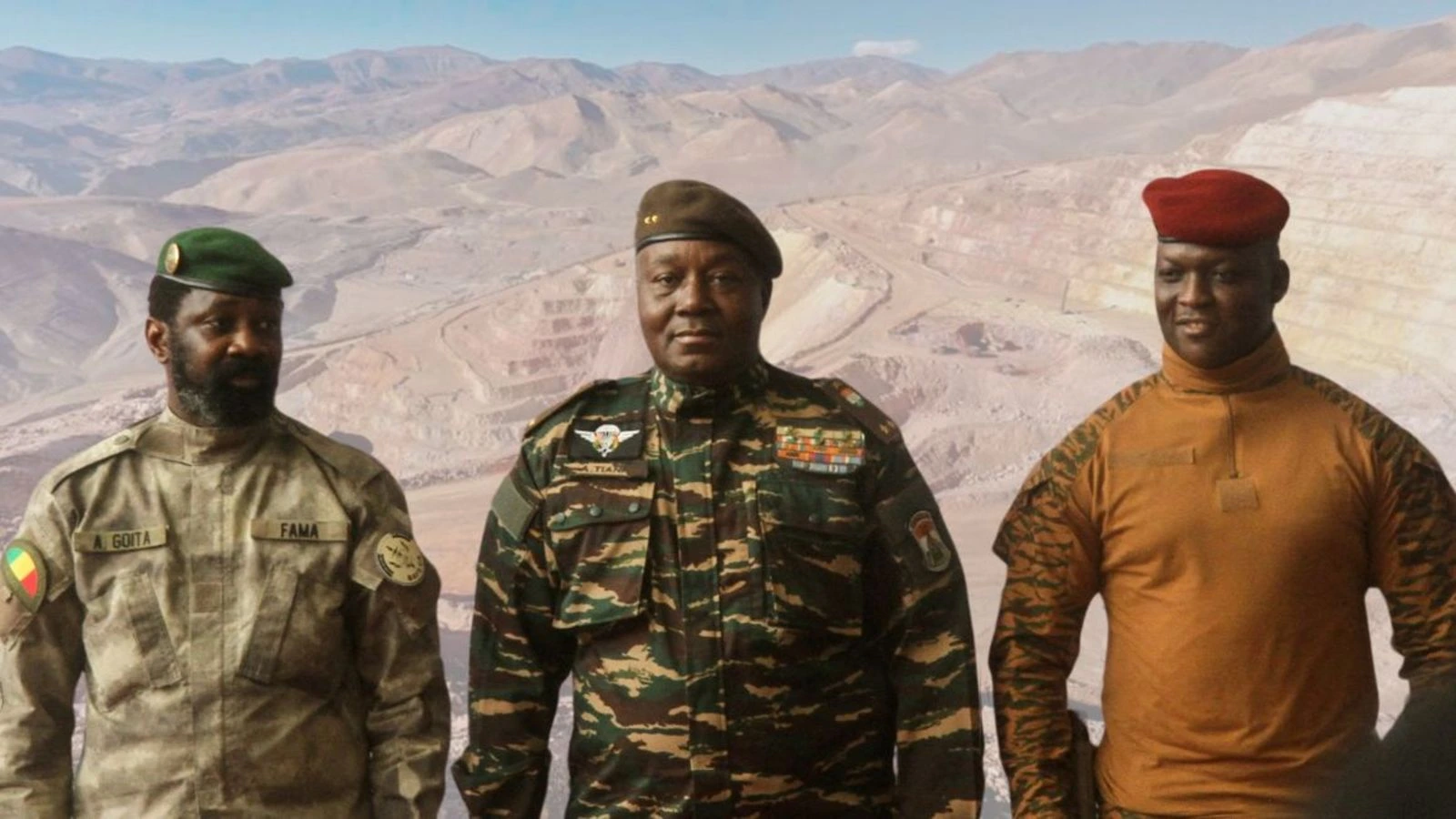
Sahel's Gold Rush: Military Juntas Seize Control Amid Foreign Tensions
Sahel’s Gold Rush: Military Juntas Seize Control Amid Foreign Tensions. (Photo Internet reproduction)
One-stop reference
Company Intelligence
Every listed company in Latin America — financials, ownership and structure for 1,450+ companies across 26 exchanges, in one place.
Browse the directory →
RT
Ask Rio Times
17 years of Latin America reporting, on demand.
Open the full Ask Rio Times →

However, this move has caused significant unrest among foreign investors, leading to the arrests of several employees from Barrick and other companies for non-compliance with the new regulations.

Challenges and Opportunities

The impact of these policies extends beyond corporate interests. Artisanal and small-scale mining (ASM) plays a vital role in the local economy, employing approximately 1.8 million people across the Sahel.

ASM represents about 50% of total gold production in Mali and surrounding countries. However, much of this activity occurs informally and without regulation, making it vulnerable to exploitation by organized crime and armed groups.

The Sahel faces escalating violence as terrorist organizations exploit the region’s instability. Reports indicate that jihadist groups have increasingly targeted mining sites, leading to a rise in violent incidents near ASM operations.

In Burkina Faso alone, the number of ASM sites attacked by extremist groups surged from 36 in 2018 to 189 in 2021. Despite its wealth in natural resources, the Sahel remains one of the poorest regions globally.

Political instability and corruption hinder effective governance and equitable distribution of wealth. Countries like Mali rank low on global development indices despite their mineral riches.

As foreign companies reconsider their investments amid rising risks and regulatory pressures, regional governments must navigate a fine line. They need to assert control over resources while fostering an environment conducive to investment.

The future of gold mining in the Sahel hinges on how well these governments manage their newfound authority while addressing the underlying issues of insecurity and governance.

Understanding this evolving landscape is crucial for investors and policymakers alike. The outcomes will shape not only the region’s economic future but also its stability and security in an increasingly volatile environment.

This article was produced by The Rio Times’ automated newsroom system. How we use AI · Report an error

Part of our ongoing coverage

Africa: The New Scramble — the great-power contest over the continent.

More from Western Africa

Read More from The Rio Times

The Rio Times · Power Map
See who really holds power in Latin America
Click to open the Power Map

Rotate for Best Experience

This report is optimized for landscape viewing. Rotate your phone for the full experience.