President Petro’s Push for Public Control in Colombia’s Economy
In Colombia, President Gustavo Petro is boosting government control in key economic sectors, deviating from past policies.
His recent speeches and initiatives underscore his commitment to regulating energy prices and directing bank lending to reshape Colombia’s economic landscape.
Petro advocates for state regulation of electricity costs, a departure from the norm in Latin America.
He challenges the free market’s role in energy pricing, arguing it fosters speculation that benefits dominant firms.
Legal obstacles have thwarted his attempts to regulate energy prices, currently managed by the CREG.
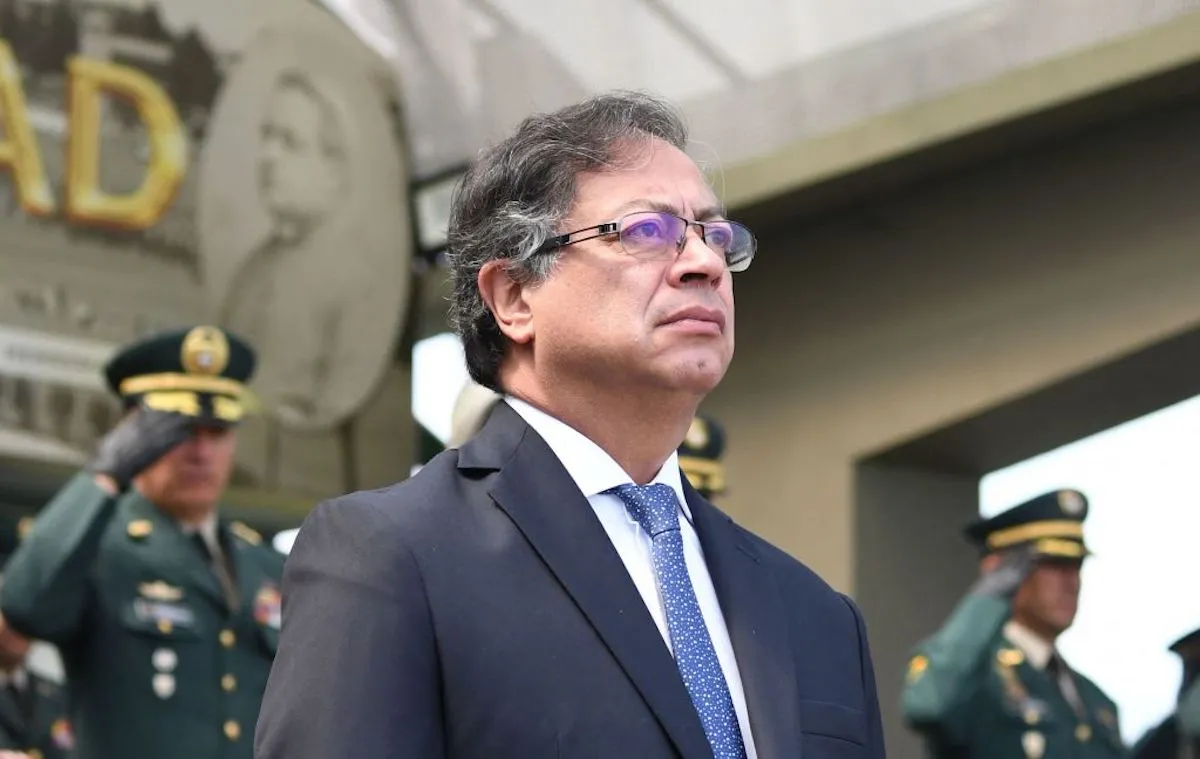
Moreover, Petro proposes that the government should dictate how banks allocate loans, aiming to support small and medium-sized businesses.
He contends this approach counters the neoliberal preference for private banking decisions over public interest.
In response, the banking sector proposes a voluntary scheme to steer investments, bypassing state interference. Petro also focuses on defending public healthcare.
He intervened in the management of the historic San Juan de Dios hospital in Bogotá, stopping a privatization plan to ensure it remains publicly managed.
This move is part of his broader effort to prevent the privatization of public services and to maintain high-quality healthcare.
These initiatives go beyond simple policy adjustments, highlighting Petro’s vision for a state that shapes economic and social outcomes.
Colombia’s debate on public vs. private roles highlights Petro’s deep commitment to state responsibility and public welfare.
The forthcoming health reform proposal will further unveil the extent of his commitment to increasing state control.
This struggle underscores the essential role of government in addressing Colombia’s economic inequalities and social issues.
More: Colombia news in English, every day from The Rio Times.
This article was produced by The Rio Times’ automated newsroom system. How we use AI · Report an error · Editorial responsibility: Matthias Camenzind, Editor-in-Chief