Peru’s Lambayeque Dengue Deaths Reach 45
Geresa counted about 18,000 notified patients on 19 November, with six more deaths under investigation. The new count is higher, but offices use different case definitions.

PERU · HEALTH
Dengue has killed 45 people in Lambayeque, a northern coastal region of Peru, and cases have passed 20,000, the regional health management, known as Geresa, reported on Tuesday 24 November 2026. Of the cases, 11,855 are confirmed by laboratory tests and 8,779 are probable.
Peruvian authorities are on alert for El Niño, a Pacific warming that brings heat and heavy rain to the north coast. Dengue is a mosquito-borne viral fever that can cause severe bleeding and death.
Key Facts
- Deaths 45 dengue deaths, up from 41 to 43 reported on 19 November.
- Cases More than 20,000: 11,855 laboratory-confirmed and 8,779 probable.
- Hotspots Chiclayo, José Leonardo Ortiz, La Victoria, Cayaltí and Lambayeque lead the confirmed-case count.
- Power Index Peru ranks 5th of 14 in The Rio Times Latin America Power Index, with 53.9 points (November 2026 edition).
- As of 24 November 2026, 21:00 GMT
Geresa counted about 18,000 notified patients on 19 November, with six more deaths under investigation. The new count is higher, but offices use different case definitions.
Víctor Torres Anaya, head of the epidemiology office at Geresa, said on 19 November that health centres, the armed forces, the police and private clinics had notified “alrededor de 18 mil pacientes con dengue”, or about 18,000 patients. Reports that day put the death toll at 41 and, in another tally, 43.
On 19 November dengue was present in 36 districts in outbreak or epidemic status, and deaths had been recorded in 12 districts. People aged 18 to 59 made up 60% of notified cases, and Chiclayo province alone had 12,676 accumulated cases.
A “notified” case is one reported by a health facility, a “probable” case fits the clinical picture without a laboratory test, and a “confirmed” case is proven by a test. That is why the 24 November total of more than 20,000 is larger than the confirmed count of 10,749 at the 19 November cut-off.
The districts that lead the confirmed-case count, Chiclayo, José Leonardo Ortiz, La Victoria, Cayaltí and Lambayeque, lie in and around the regional capital, Chiclayo, and Geresa also lists Ferreñafe among the areas with the highest incidence. Geresa said on 24 November that health brigades are visiting localities for larval control and fumigation.
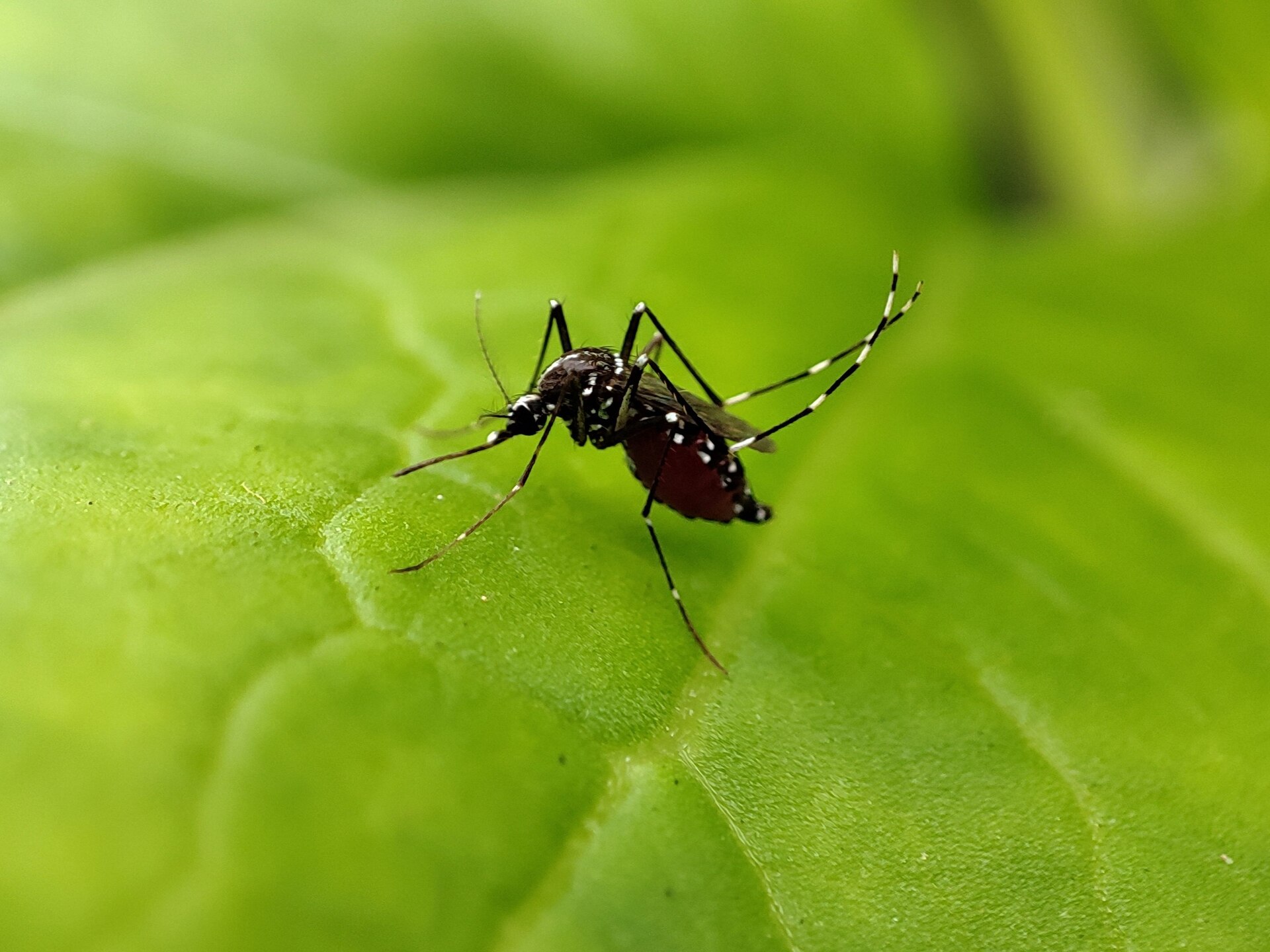
The Aedes aegypti mosquito that carries dengue breeds in standing water, which is why heavy rain and heat raise the risk. Authorities are watching whether El Niño rains add breeding sites in the coming weeks.
Concern is also growing over severe cases: on 24 November the national press reported that Lambayeque and Áncash, another Peruvian region, had no intensive-care beds free. Severe dengue can cause bleeding and organ failure, which is why bed shortages matter more than the case count alone.
Nationally, the health ministry’s disease-control centre, CDC Peru, counted 112,610 dengue cases and 148 deaths up to 14 November, the end of epidemiological week 45, the ministry’s numbered reporting week. At that cut-off Lambayeque ranked behind La Libertad and Piura, with 18,343 cases and 39 deaths on the ministry’s dashboard.
Our earlier story, Peru Dengue Deaths Reach 138 Before El Niño, covers the national picture to mid-November. The ministry’s count for week 47, which ends on 28 November, will show whether Lambayeque’s curve is still rising.
Frequently Asked Questions
How many people have died of dengue in Lambayeque?
Geresa reported 45 deaths on 24 November. Earlier reports on 19 November gave 41 and 43.
Why do the dengue counts differ?
Offices count notified, probable and laboratory-confirmed cases at different cut-off dates. Deaths under investigation can be added later.
Sources: Gerencia Regional de Salud de Lambayeque (Geresa), epidemiology office briefing of 19 November 2026 and report of 24 November 2026; Centro Nacional de Epidemiología, Prevención y Control de Enfermedades (CDC Peru), Ministry of Health dashboard, epidemiological week 45, to 14 November 2026 (dge.gob.pe). We could not open the dashboard itself and rely on reports of its figures.
More: Peru news
This article was produced by The Rio Times’ automated AI newsroom. Editorial responsibility: Matthias Camenzind, Publisher and Editor-in-Chief. The Rio Times also runs Ask Rio Times, which answers from 100,000+ of our own articles, the daily Latin America Power Map, and prediction-market odds on elections and markets.. How we use AI · Report an error