Panama Canal Draft Limit Holds as the October Cut Is Shelved
PANAMA · BUSINESS & ECONOMY
Key Facts
- —What happened The canal authority shelved a planned cut to 47.5 feet and is holding the maximum draft at 48 feet.
- —What draft means Draft is how deep a loaded ship sits in the water, so a lower limit means less cargo per ship.
- —The real story This is a postponement while conditions are watched, not a recovery announcement from the authority.
- —The catch Transit slots are still being cut, from 36 a day to 34 and then to 32 later this month.
- —Why it is happening Watershed rainfall from May to August ran 34 percent below average, and inflows were 44 percent below normal.
- —Who it affects Shippers on Asia to US east coast routes, where carriers have added surcharges of up to US$500 a container.
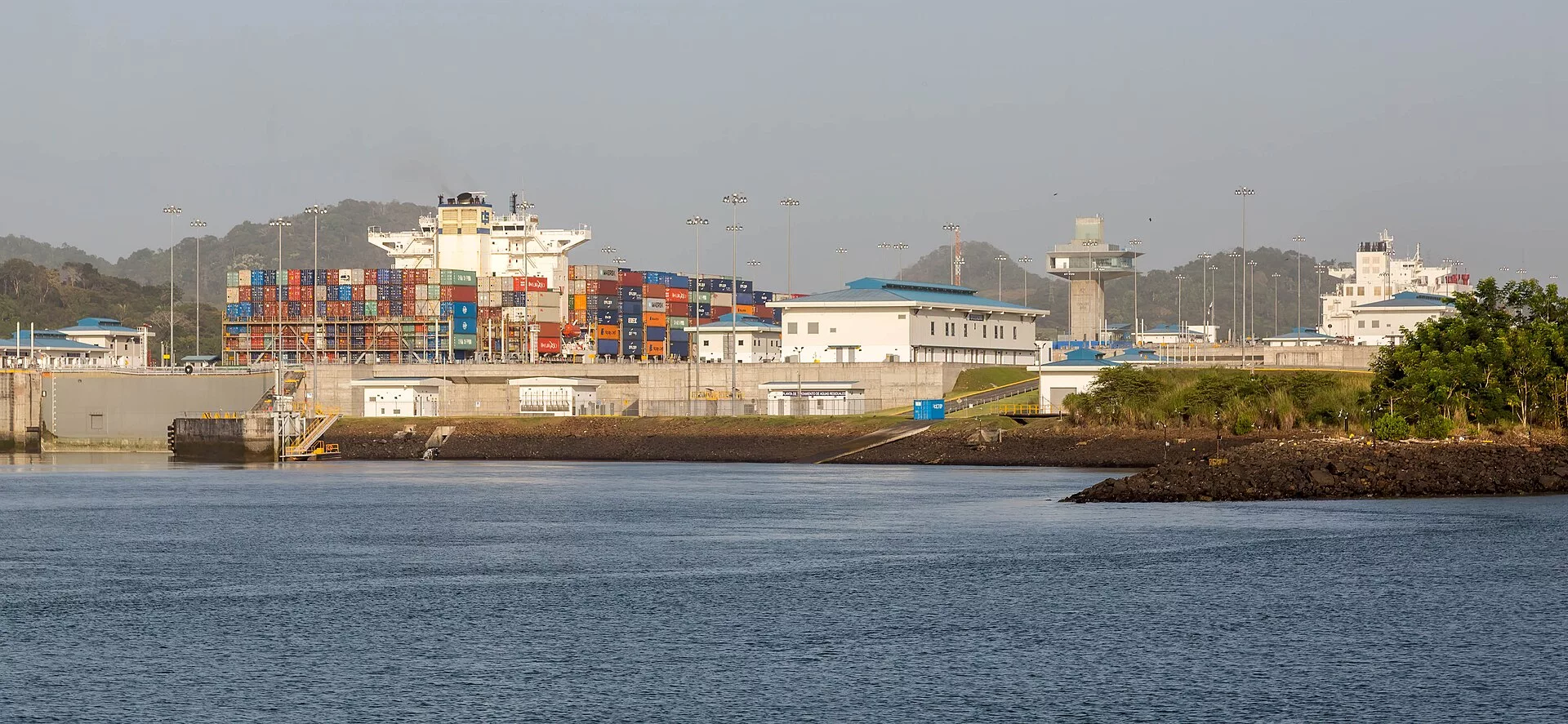
Ships crossing Panama will not have to load lighter next month after all. The reprieve is real, and it is not because the rain came back.
Ships crossing Panama got a reprieve this week. The Panama Canal draft limit will stay at 48 feet instead of falling again on 1 October.
The canal authority announced the change on Thursday 4 September 2026. It said it would keep evaluating water conditions.
Draft is the depth a loaded ship sits in the water. A lower limit means a ship must carry less, so the measure is really a cargo restriction.
This is a postponement, not a recovery. Nothing the authority published says the water problem is over.
What the Panama Canal Draft Rules Were Meant to Do
The sequence started with a shipping advisory issued on 20 August. It is numbered A-29-2026.
That advisory already postponed two reductions. A maximum draft of 48.0 feet, or 14.63 metres, moved from 26 August to 2 September.
A deeper cut to 47.5 feet, or 14.48 metres, moved from 3 September to 1 October. Thursday’s announcement pushed that second cut back indefinitely.
No numbered advisory has been published for Thursday’s decision. The authority’s advisory index still ends at A-29-2026.
How Far the Panama Canal Draft Has Already Fallen
The canal’s normal maximum for the Neopanamax locks is 50 feet. That ceiling was set in 2021.
The 2026 reductions came in steps. The limit went to 49.5 feet, then 49, then 48.5 on 15 August, and then 48.
So the current 48 feet is two feet below the ceiling. Careful reading matters here, because 49 feet was the usual working level before this year.
Each foot of draft is a meaningful amount of cargo on a large container ship. That is why the shipping trade watches these advisories closely.
The Reason Is Rain, Not Recovery
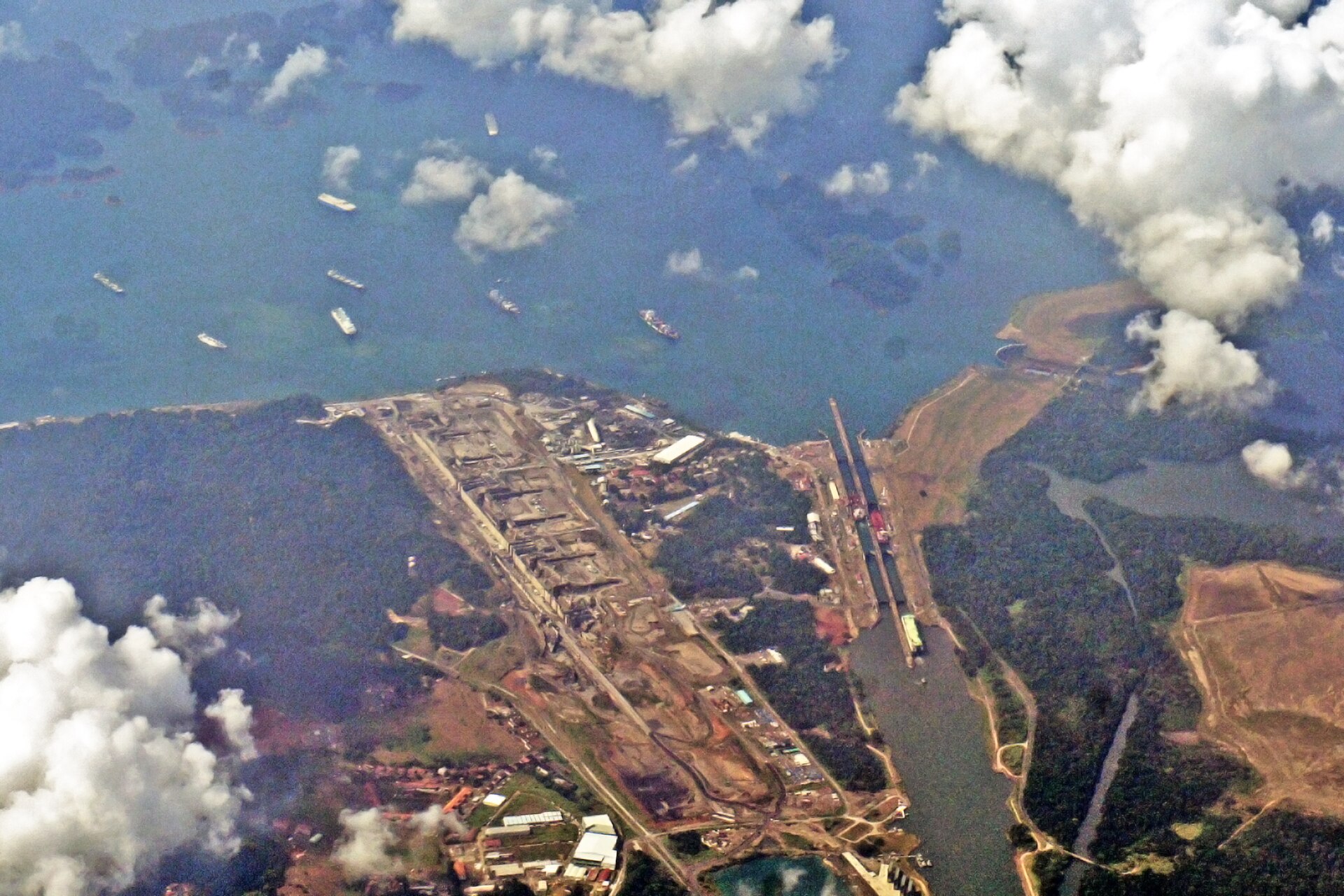
The title of the August advisory says it plainly. It refers to additional measures to address reduced precipitation in the canal watershed.
The figures behind it are stark. Rainfall in the watershed between May and August ran 34 percent below the historical average.
Inflows into the system were 44 percent below normal. That is the water that has to refill the lakes after every transit.
Gatún Lake stood at 84.0 feet above sea level on 4 September. That comes from the authority’s own indicator report.
A simple above or below average judgement is not available. The authority publishes a five-year comparison curve rather than a long-run norm.
Why a Canal Runs Out of Water
Each ship that crosses the canal uses fresh water from the lakes. The locks fill and empty by gravity, and the water flows out to sea.
Gatún Lake also supplies drinking water for a large share of Panama’s population. So a dry year forces a choice between transits and taps.
Newer locks reuse part of the water in basins. That helps, but it does not remove the constraint.
This is why the canal manages drought with two levers. It limits how deep ships may load, and it limits how many may cross.
The Slot Cuts Are Still Coming
The second lever has not been relaxed. Daily transit slots fall from 36 to 34, and then to 32.
The dates are widely reported as 4 and 15 September. Read them carefully, because the advisory sets them as booking dates for transits beginning on those days.
The composition tells you where the pain lands. Neopanamax slots stay at nine, while Panamax slots fall from 25 to 23.
Eight of those 23 are offered to Super vessels. The smaller and less time-critical traffic absorbs the reduction.
What It Costs Shippers
Carriers have already priced it in. CMA CGM added a surcharge of US$500 per container unit from 10 September.
MSC added US$149 from 12 September. ONE added US$150 from 10 August, and Hapag-Lloyd US$130 from 15 August.
The route most exposed runs from Asia to the US east coast. Rates there have risen 42 percent since the start of the Iran war.
They now exceed west coast prices by more than US$3,300. That gap is unusual and it is being driven by the canal.
More than 70 percent of the cargo crossing the canal starts or ends in the United States. About 72 percent of transiting ships are US-bound or US-origin.
What to Watch
The first thing is the next advisory. The authority has committed to keep evaluating conditions, which means the 47.5-foot cut can return.
The second is the rainy season. Panama’s wet months run to about November, and this year’s rain has under-delivered.
The third is the slot count. If 32 a day proves insufficient, the next reduction will bite harder than the draft rules.
For now the practical position is stable. The Panama Canal draft limit is 48 feet and the deeper cut is shelved.
The queue is getting shorter by design rather than by chance. That distinction is the whole point of the advisories.
More: Panama news in English, every day from The Rio Times.
Frequently Asked Questions
What is the Panama Canal’s current draft limit?
48.0 feet, or 14.63 metres, in the Neopanamax locks. A planned reduction to 47.5 feet on 1 October was shelved indefinitely on 4 September 2026.
Why does the canal limit how deep ships can load?
Because the locks run on fresh water from Gatún Lake. When the lake is low, the authority reduces draft and transit slots to protect the water supply.
Is the water problem over?
No. The authority framed the move as continued evaluation of conditions. Watershed rainfall from May to August was 34 percent below average and inflows 44 percent below normal.
How many ships can cross each day?
Slots fall from 36 to 34, then to 32 later in September, with Neopanamax slots held at nine and Panamax slots cut from 25 to 23.
What does it cost shippers?
Carriers have added surcharges of US$500 per container unit at CMA CGM, US$150 at ONE, US$149 at MSC and US$130 at Hapag-Lloyd, on affected services.
Sources: Panama Canal Authority, gCaptain, FreightWaves, Supply Chain Dive, FreshFruitPortal, Reuters, Rio Times.
This article was produced by The Rio Times’ automated newsroom system. How we use AI · Report an error · Editorial responsibility: Matthias Camenzind, Editor-in-Chief