Once Promises, Now Taxes: How Uruguay’s Leftist Government Breaks Its Campaign Pledges
Uruguay’s left-wing government unveiled tax hikes to close a 4.1% GDP deficit and cut it to 2.6% by 2029.
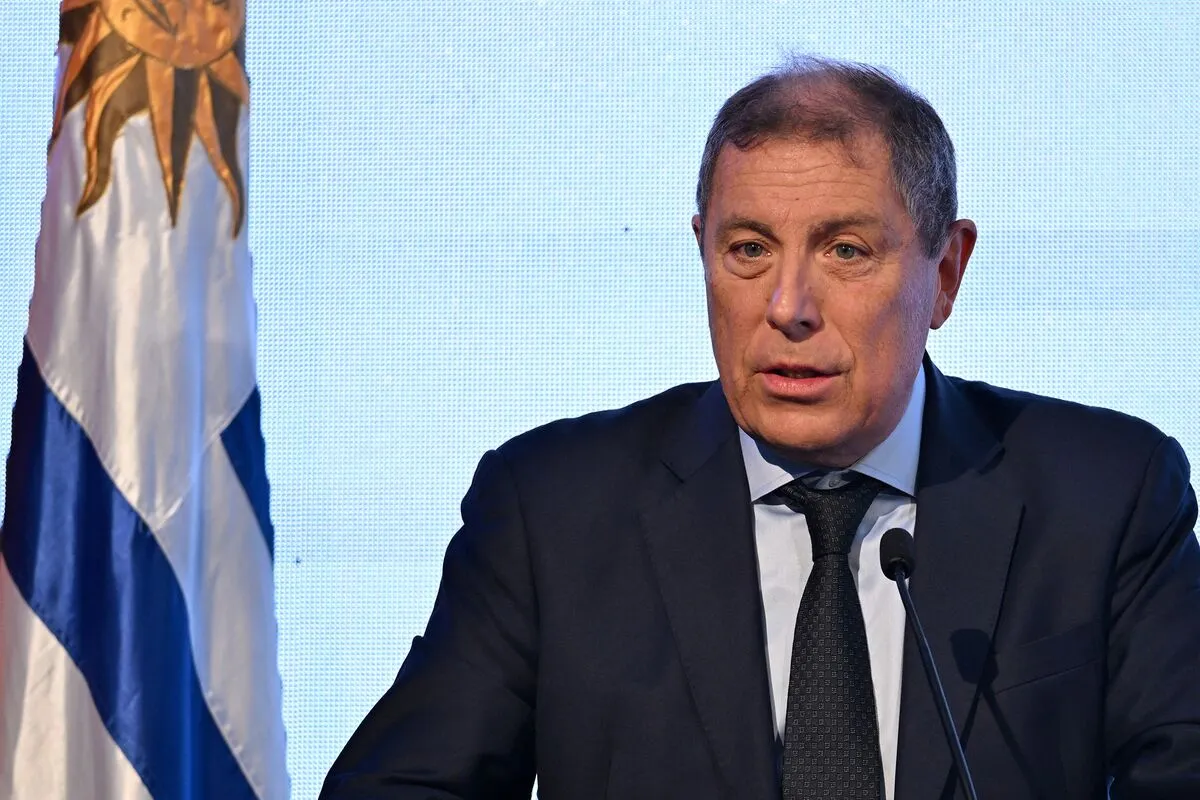
Finance Minister Gabriel Oddone rolled out a plan on August 27, 2025, that increases revenue by 1.6 percentage points of GDP through tighter tax collection, a global minimum corporate tax, and new duties on duty-free imports.
President Yamandú Orsi promised during his 2024 campaign not to raise taxes. He reversed course soon after taking office in March, citing the need to fund social programs without deep spending cuts.
He argued that delaying revenue measures would force harsher cuts later. The budget injects around $140 million in new taxes, dedicating one-third to child and adolescent services.
It projects 2.4% average annual growth, up from 1.1% over the last decade, to stabilize debt without stalling investment. Uruguay maintains investment-grade ratings from S&P, Moody’s, and Fitch and borrows at the region’s lowest dollar rates.
Union demands drove part of the agenda. PIT-CNT called for wealth and corporate levies to reduce child poverty. Ruling-coalition Senator Gustavo González pushed taxing assets above $200 million to fund social programs.
Orsi’s coalition controls the Senate but needs two opposition votes in the lower house. Oddone warned that “all tools are on the table” if lawmakers delay or block revenue measures, suggesting further tax adjustments or targeted cuts may follow.
To balance higher taxes, the government plans to ease bureaucracy, cut trade duties, and fast-track tax breaks for energy-intensive projects. Uruguay courts data-center and green-hydrogen investments by offering lower power rates.
After decades of attracting billions in investment, including a Google data-center campus, Uruguay now bets that measured tax increases can shore up its social model while maintaining a business-friendly environment.
This episode reveals how fiscal realities often override campaign promises when governments face significant budget gaps.
More: Latin America news in English, every day from The Rio Times.
This article was produced by The Rio Times’ automated newsroom system. How we use AI · Report an error · Editorial responsibility: Matthias Camenzind, Editor-in-Chief