Chavismo Launches Offensive to Show It Fights Drug Trafficking
According to a Venezuelan government statement, Chavismo launched an offensive to show the United States and the world it combats drug trafficking.
The announcement came as Caracas seeks to reshape international perceptions about its role in the regional drug trade. Venezuelan authorities deployed soldiers and security forces to key border and coastal areas.
They aimed to prove that no illicit coca or cannabis plantations exist within national territory. They reinforced Rapid Reaction Units from La Guajira through Falcón and from Nueva Esparta to Delta Amacuro.
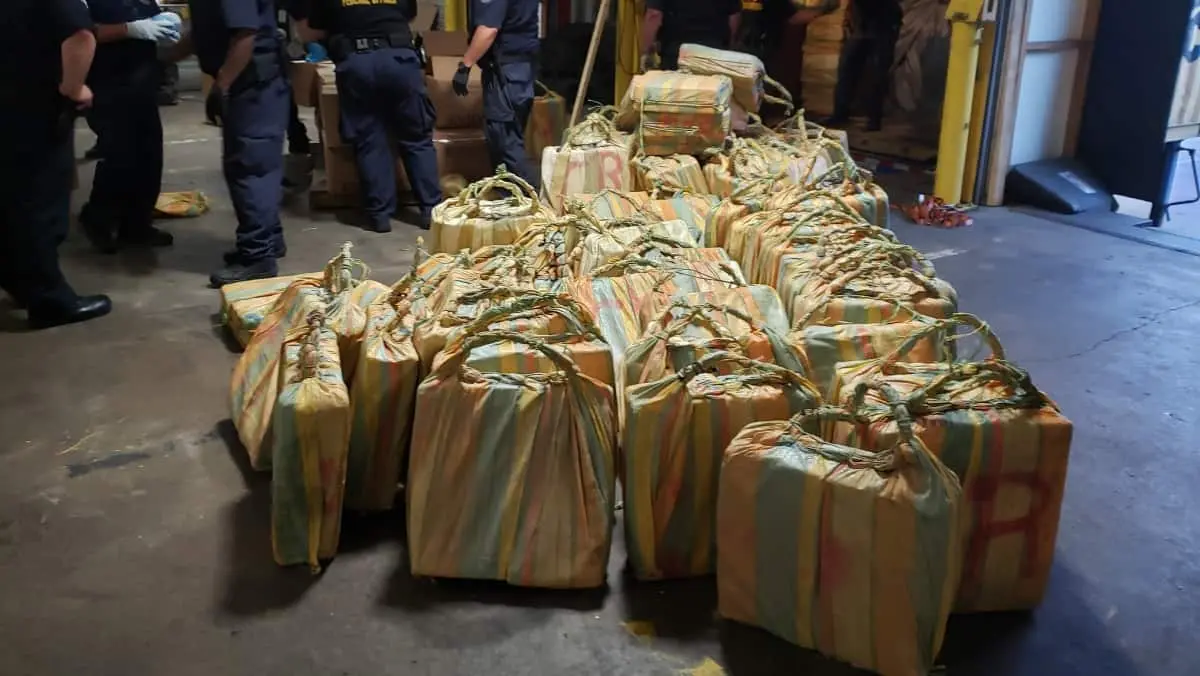
Officials also used drones, river patrols and coastal craft to intercept drug-smuggling routes. They reported downing forty planes carrying narcotics and seizing over fifty-six metric tons of drugs this year.
The military claimed these actions demonstrated clear results against traffickers. Vice President Delcy Rodríguez cited the 2025 United Nations World Drug Report to underline Venezuela’s absence from major production and transit lists.
She noted that eighty-seven percent of South American cocaine shipments leave via the Pacific corridor. Rodríguez argued that independent data confirm Caracas’s limited role in global drug routes.
Defense Minister Vladimir Padrino criticized recent U.S. naval and air deployments in the southern Caribbean. He asserted that those forces aim to pressure Venezuela and provoke regime change.
Padrino insisted that Washington uses drug-war rhetoric to divide national armed forces and undermine sovereignty. Rodríguez highlighted that eighty-five percent of drug-money profits remain in the U.S. financial system.
She pointed to multibillion-dollar fines levied on American banks for laundering narcotics proceeds. She maintained that the greatest gains from illegal trade flow north, not through Venezuelan channels.
National militia volunteers joined the operation, marking it as a “psychological defense” against what Caracas calls misinformation campaigns. Government spokespeople framed the campaign as a unifying exercise in patriotism and national dignity.
They broadcast televised and radio spots calling citizens to support defense efforts. Observers say the offensive blends hard data with nationalistic rhetoric.
By showcasing verified UN findings and tangible interdiction results, Caracas works to dismantle the “narco-state” narrative. At the same time, it highlights geopolitical motives behind intensified U.S. scrutiny.
This operation matters to business and policy audiences because it reveals how drug-policy narratives can shape international relations and economic sanctions.
It matters to all readers because it underscores the need to question political claims with reliable data. Venezuela’s message shifts the focus from accusations against its government to the real corridors and profits of the global drug trade.
More: Latin America news in English, every day from The Rio Times.
This article was produced by The Rio Times’ automated newsroom system. How we use AI · Report an error · Editorial responsibility: Matthias Camenzind, Editor-in-Chief