Nigeria’s Government Overhaul: A New Direction Under President Tinubu
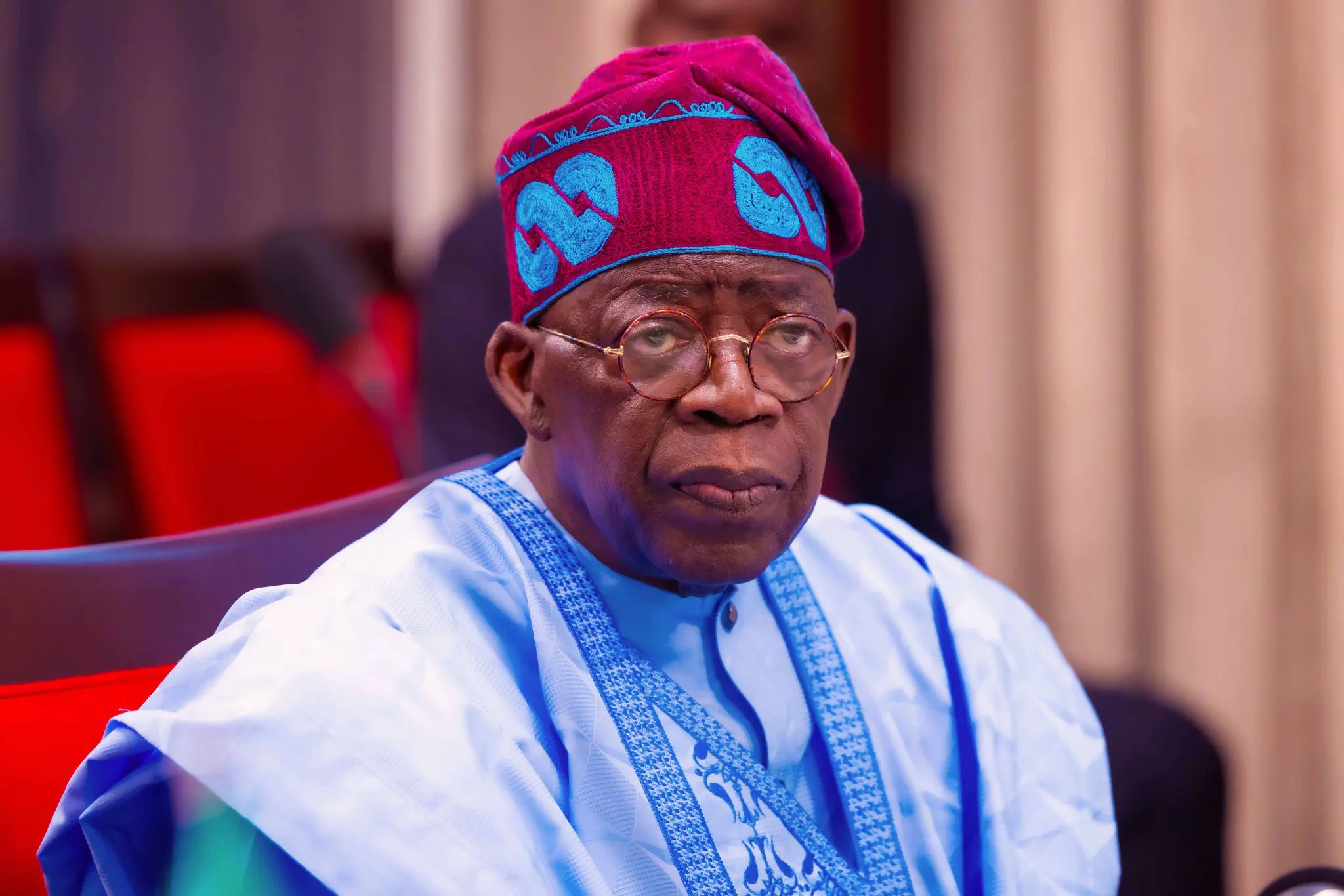
President Bola Ahmed Tinubu has initiated a comprehensive reshuffle of Nigeria’s cabinet, aiming to improve government efficiency and tackle economic challenges.
This move includes significant changes across various ministries and personnel, reflecting Tinubu’s strategic vision for the country’s future.
The Ministry of Tourism has merged with the Ministry of Arts and Culture, forming the new Ministry of Art, Culture, Tourism, and Creative Economy.
This merger seeks to streamline operations and boost Nigeria’s creative sectors. Additionally, the Ministry of Niger Delta Development has been transformed into the Ministry of Regional Development.
This new entity will oversee all regional development commissions across Nigeria, including those in the Niger Delta, North West, South West, and North East.
In sports administration, the Ministry of Sports has been dissolved. Its responsibilities now fall under the newly established National Sports Commission.
This change aims to revitalize sports management and development in Nigeria. The reshuffle also involves significant personnel changes. Five ministers have been dismissed, and seven new ones have been appointed.
Tinubu’s Cabinet Reshuffle
These new appointments include ministers for humanitarian affairs, poverty alleviation, trade and investment, labor, and livestock development. Furthermore, ten ministers have been reassigned to different portfolios to align with Tinubu‘s strategic goals.
Notably, Dr. Morufu Olatunji Alausa has moved from health to education, while Dr. Doris Uzoka-Anite now leads the finance ministry after managing the industry.
This cabinet reshuffle occurs amid Nigeria’s worst economic crisis in decades. Inflation has soared to 24.1% by mid-2024, and the naira has significantly depreciated against the dollar.
These economic pressures have led to widespread public discontent and calls for more effective governance. Tinubu’s administration has pursued several controversial economic reforms.
These include removing fuel subsidies and efforts to stabilize the naira through market-driven exchange rates. While these measures aim to reduce government expenditure and attract foreign investment, they have also increased living costs for Nigerians.
The cabinet reshuffle is part of Tinubu’s broader strategy to address economic challenges. It also aims to improve public trust in his government.
However, it has faced criticism from opposition parties and civil society organizations that demand more comprehensive reforms to tackle inflation and unemployment.
President Tinubu’s cabinet reshuffle represents a decisive step in his administration’s efforts to revitalize Nigeria‘s governance structures amid severe economic challenges.
By merging ministries and appointing new leaders, Tinubu seeks to create a more efficient government capable of addressing both immediate crises and long-term developmental goals.
The success of these changes will depend on their implementation. It also hinges on the administration’s ability to alleviate the economic hardships faced by ordinary Nigerians.
More: Nigeria news in English, every day from The Rio Times.
This article was produced by The Rio Times’ automated newsroom system. How we use AI · Report an error · Editorial responsibility: Matthias Camenzind, Editor-in-Chief
Part of our ongoing coverage
Africa: The New Scramble — the great-power contest over the continent.