Nigeria grappled with escalating economic challenges during President Bola Tinubu’s initial year, facing soaring living costs and a tumble in its economic ranking.
On his first anniversary, the nation dipped to fourth among Africa’s largest economies, a stark reality check from the International Monetary Fund.
Upon taking office, President Tinubu pledged substantial economic growth, new jobs, and security improvements.
Yet his bold move to end a long-standing petrol subsidy quickly doubled fuel prices, burdening consumers further.
Additionally, under new leadership, Nigeria’s central bank raised the lending rate by 7.5 points to fight inflation.
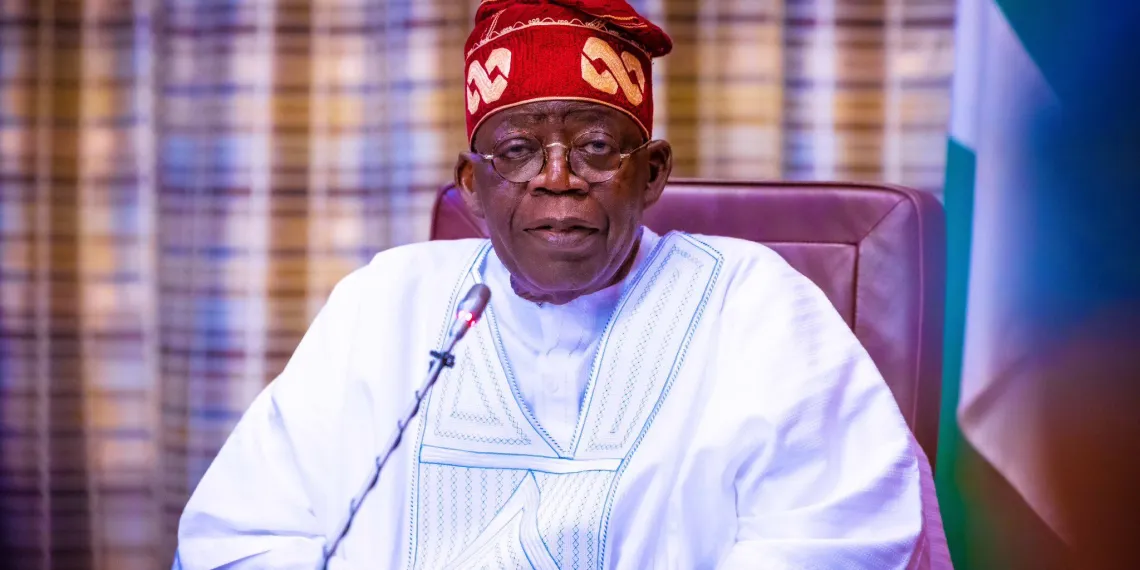
This financial strain reverberated through the streets of Nigeria.
For instance, a Lagos employee shared his dwindling hope in the administration as his workplace shifted to contract-based payments.
Likewise, the national workers’ union clamored for a tripling of the minimal wage to combat rising living costs—a call yet unmet by the government.
Despite these challenges, there were some rays of hope. Oil production peaked at 1.57 million barrels daily in early 2021, the highest since September of the previous year.
This surge aimed to clamp down on oil theft and elevate production. However, these efforts fell short of reversing the adverse trends significantly.
Critics argue that President Tinubu has managed the country’s crises slightly better than his predecessor but hasn’t achieved major breakthroughs.
Nigeria’s Economic Policy Challenges
The reinstatement of hefty subsidies, like the 90 billion naira for the Islamic pilgrimage, highlights a preference for political favoritism over economic prudence.
On the global stage, the administration struggled to communicate its economic strategies effectively, casting doubts among international observers.
The central bank’s push to stabilize the naira contrasted with inconsistent policies in other key sectors, complicating the economic picture further.
In essence, President Tinubu’s first year was marked by economic difficulties and ambitious reforms.
The nation faces a critical junction, with public opinion mixed between hope for recovery and frustration over persistent challenges.
This rocky start underscores the immense task ahead in steering Nigeria towards stability and growth.
More: Nigeria news in English, every day from The Rio Times.
This article was produced by The Rio Times’ automated newsroom system. How we use AI · Report an error · Editorial responsibility: Matthias Camenzind, Editor-in-Chief
Part of our ongoing coverage
Africa: The New Scramble — the great-power contest over the continent.