
NIGERIA · ANALYSIS
Key Facts
- —What is happening Nigeria’s grid generation fell to 2,033.66 MW on Monday 5 October 2026, with 16 of 29 generating plants producing nothing, leaving several states with under three hours of power daily.
- —Why it matters Electricity supply deteriorated while taxpayers continued to fund the tariff gap.
- —What to watch The next quarterly report would ordinarily be expected for Q3 2026.
- —What it means for you US investors in Nigerian assets face higher operating costs from diesel generators.
Nigeria’s electricity crisis is deepening because gas-fired plants cannot get fuel, transmission lines cannot carry available power, and frozen tariffs starve the system of cash. For US readers, the failure raises operating costs for investors in Nigerian assets and complicates the economics of the Dangote Refinery, one of Africa’s largest private industrial projects.
Nigeria, Africa’s most populous country and a major crude exporter, is suffering its worst power supply deterioration in years. This analysis explains the grid’s structure, the tariff freeze, the gas bottleneck, and what households and firms pay for backup power, drawing on the Africa Intelligence Brief and official regulatory data.
How the Grid and Distribution Companies Work
Nigeria’s power chain has five main parts. Generating companies, or GenCos, produce electricity, mostly from natural gas. The Transmission Company of Nigeria, or TCN, moves bulk power over high-voltage lines. Distribution companies, or DisCos, deliver electricity from substations to homes and businesses. Nigerian Bulk Electricity Trading Plc, or NBET, sits between GenCos and DisCos, buying power and selling it onward. The Nigerian Electricity Regulatory Commission, or NERC, sets tariffs and market rules.
This structure means a plant can have large installed capacity but produce little electricity. The gap between nameplate capacity and dispatchable power is the central structural problem.
DisCos do not control how much electricity enters the national grid. They receive an allocation and spread it across feeders and customer classes. Nigeria’s service-based tariff framework assigns feeders to Bands A through E. When national generation falls, DisCos must ration a smaller quantity across their networks, and even Band A customers receive less than promised.
The Numbers Behind the Collapse
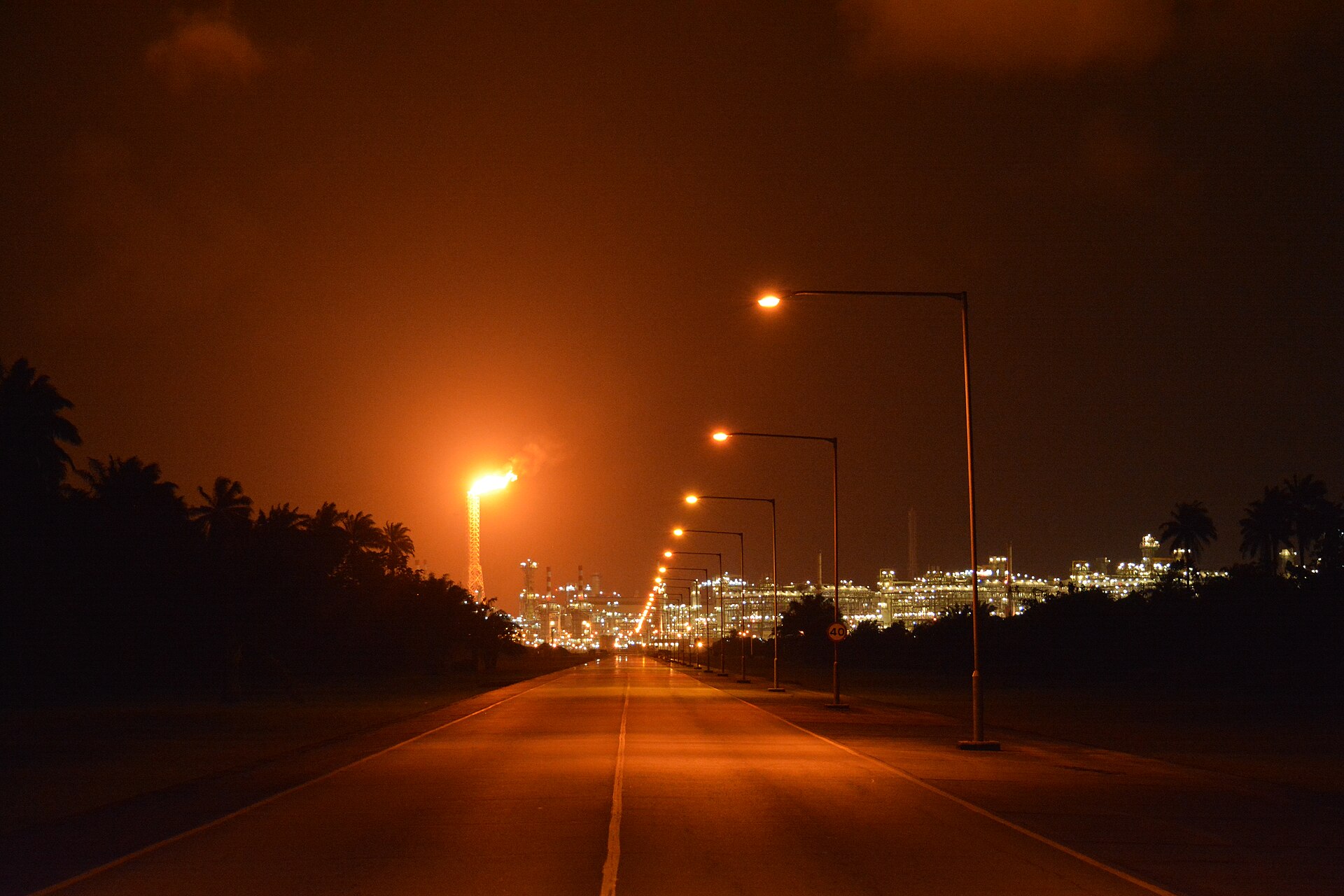
The deterioration is stark. By Monday 5 October 2026, generation had fallen to 2,033.66 MW, with 16 of 29 generating plants recording zero output. That followed a reported peak of 5,403 MW on 24 September 2026.
The first quarter of 2026 showed the trend clearly. Average available generation capacity fell 17.45%, from 5,400.38 MW in Q4 2025 to 4,457.96 MW in Q1 2026.
- Generation invoices in Q1 2026: ₦689.72 billion.
- NBET billed DisCos: ₦331.40 billion.
- Federal Government subsidy: ₦358.32 billion, about 52% of generation cost.
The Tariff Freeze and Its Cost
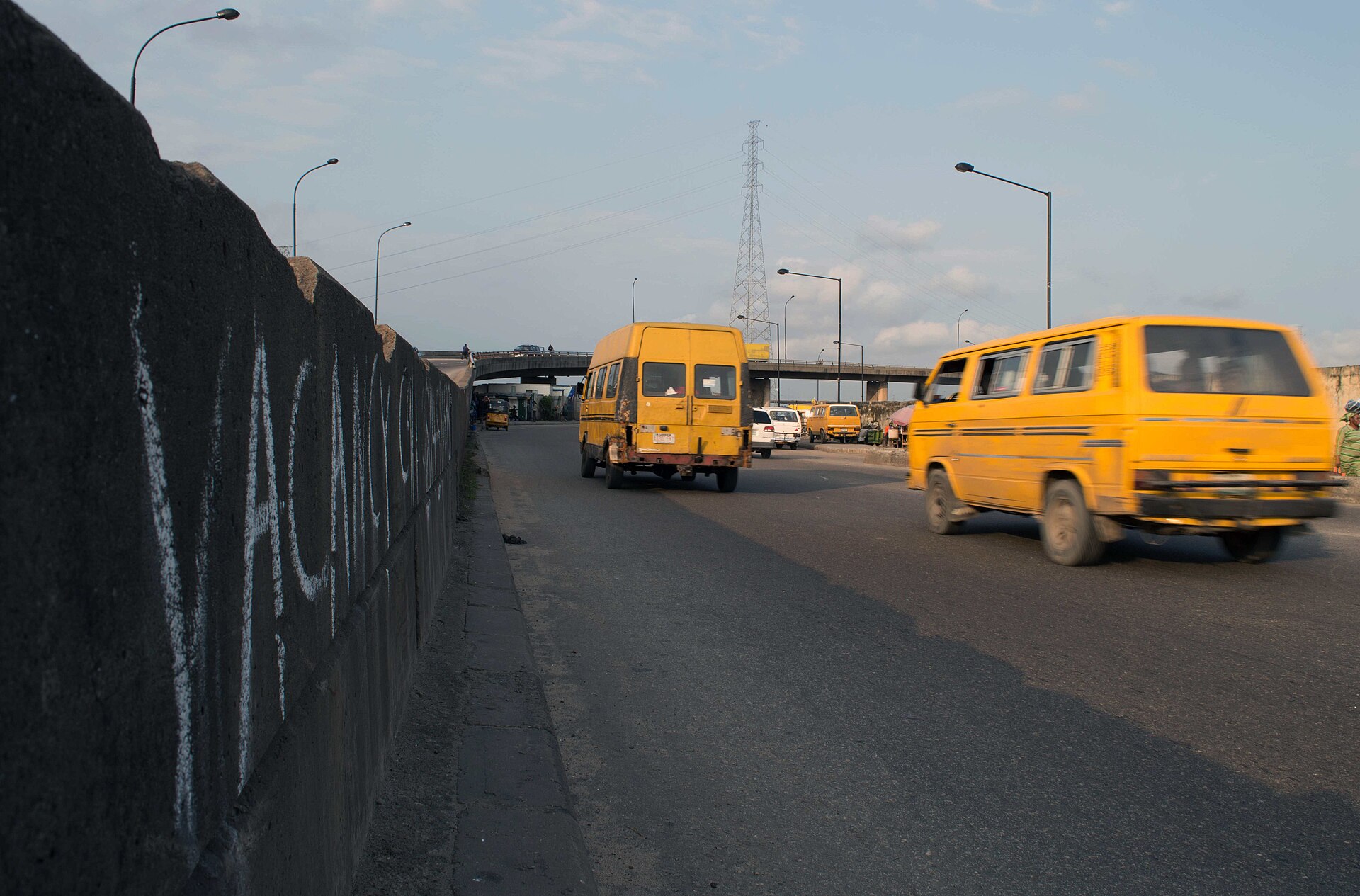
NERC’s first-quarter 2026 report said supplementary tariff orders retained those rates. The freeze protects customers from rapid price increases, but it does not eliminate the cost of generation. It transfers the difference to the government budget.
The freeze creates three bills. The public bill is the taxpayer-funded subsidy, which reached ₦358.32 billion in Q1 2026. The market bill is unpaid obligations weakening GenCos, gas suppliers and DisCos. The private bill is what households and firms pay for fuel and generator maintenance when the grid fails. The central paradox is that the government spends hundreds of billions of naira to keep tariffs down while the quantity and reliability of electricity deteriorate.
Gas Supply and the Payment Spiral
Nigeria’s grid is heavily dependent on gas-fired generation. When gas producers are not paid reliably, or when pipelines and supply arrangements fail, generating companies reduce output. The electricity market becomes trapped in circular debt: gas suppliers are owed money, GenCos are owed money, DisCos struggle to collect revenue, and low collections weaken payments to NBET and GenCos.
Local reporting identified gas supply and market liquidity as major obstacles to sustained generation. The system does not merely have a fuel problem; it has a payment problem running through the fuel chain. Reduced GenCo cash flow makes gas procurement and plant maintenance harder, which lowers generation further.
Transmission remains a narrow bridge. Even when plants can generate, TCN must transmit electricity without overloading lines or destabilising the network. A plant can be ready, but the grid may be unable to accept or transport its output safely.
What Households and Firms Pay for Backup Power
A 2026 estimate put the fuel-only cost of diesel-generated electricity at more than ₦600 per kWh. The generator figure excludes the generator itself, servicing, repairs, batteries, wiring and replacement.
For a small business using a 10-kW diesel generator for 10 hours, fuel-only electricity at ₦600 per kWh would imply roughly ₦60,000, before labour, maintenance and depreciation. Households often pay a monthly electricity bill even when supply is intermittent, then purchase petrol or diesel for a small generator, and pay for oil changes, repairs, starter batteries and security. Businesses pass power costs into food, transport, rent, telecoms and other prices.
Diesel prices are particularly important for factories, hospitals, telecom towers, banks and commercial buildings that require continuous power. Petrol generators are more common among households and small businesses, but their economics are also vulnerable to fuel-price movements.
The US Angle: Crude, Dangote and Investor Exposure
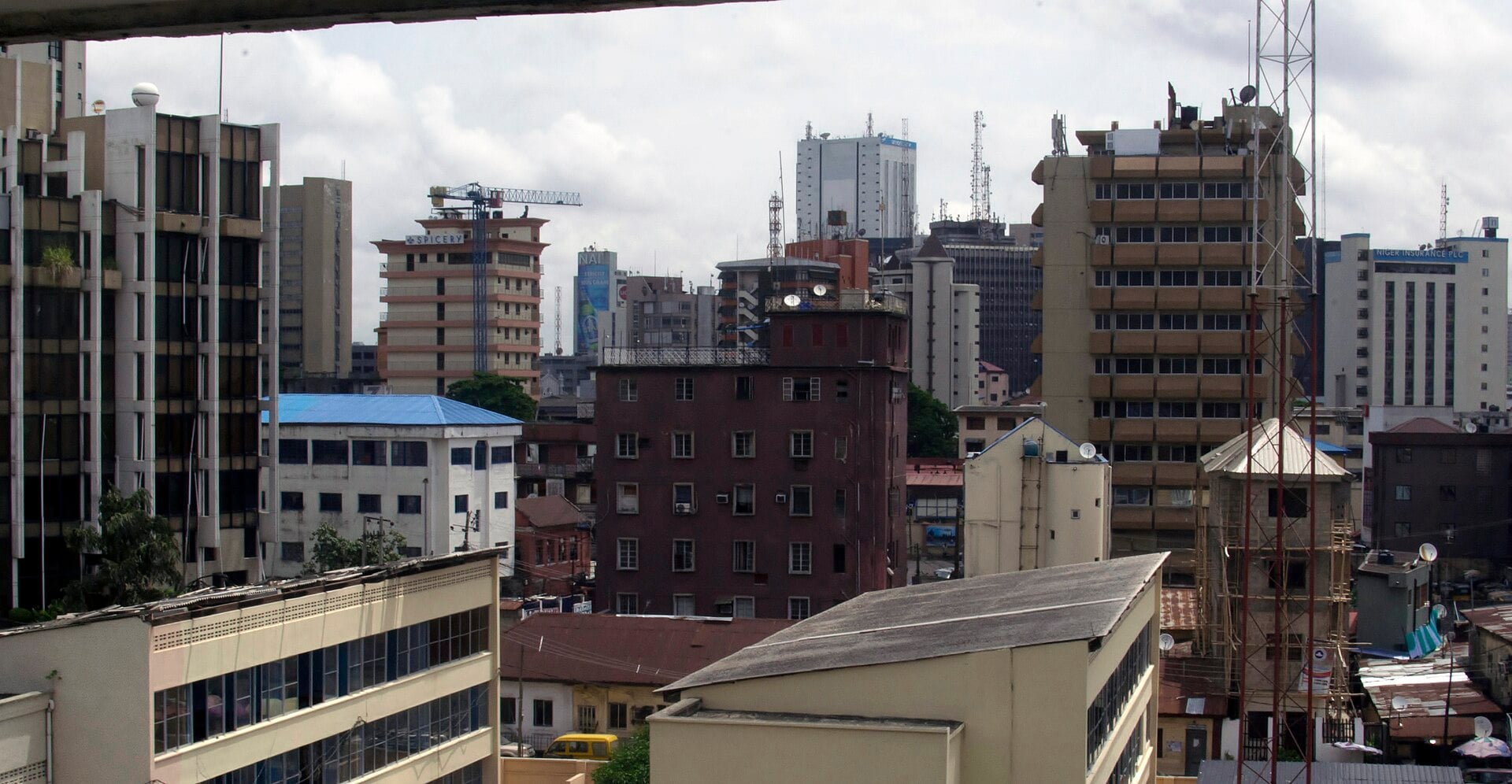
Nigeria’s power crisis intersects with the United States through energy markets, capital markets and operating costs. The Dangote Petroleum Refinery is a major private-sector factor in Nigeria’s oil economy.
That can reduce Nigeria’s exposure to imported fuel, but it does not automatically solve electricity shortages. Refined-product availability and power-generation gas supply are related energy issues, not substitutes for one another.
The company has discussed a possible future US listing after expansion. For US investors, the investment case depends partly on crude supply, domestic fuel demand, foreign exchange, regulation and infrastructure. Power unreliability raises operating costs for refineries and industrial facilities, even when the plant has its own power arrangements.
Who Is Who in the Power Sector
Joseph Tegbe is Nigeria’s Minister of Power, identified by NERC in its June 2026 stakeholder-meeting report. Dr. Musiliu Olalekan Oseni chairs NERC, the regulator that sets tariffs and market rules.
Engr. Olusegun M. Adesayo was appointed Managing Director/Chief Executive Officer of NEMSA and serves concurrently as Chief Electrical Inspector of the Federation.
What Could Improve Supply
Immediate measures include paying the gas chain by clearing verified arrears to gas suppliers and GenCos, prioritising available gas to plants that can return the most dependable electricity quickly, and repairing transmission weaknesses at substations and overloaded corridors. Publishing feeder-level data would let customers see allocated megawatts, promised hours and actual delivery. Protecting high-performing feeders means enforcing compensation or reclassification when Band A customers receive materially less than 20 hours.
Medium-term reforms include moving gradually toward cost-reflective tariffs, targeting subsidies instead of subsidising every unit, improving metering and collection, and separating technical and commercial losses. Expanding domestic gas infrastructure with more processing, pipelines, compression and firm supply contracts is also needed. Strengthening market governance with clear settlement rules would reduce the debt spiral among DisCos, NBET, GenCos and gas suppliers.
Nigeria’s electricity crisis is ultimately a solvency crisis reinforced by weak infrastructure. More installed capacity will help only if gas suppliers are paid, plants are maintained, transmission can carry the output, DisCos can collect revenue and tariffs, or public subsidies, cover the real cost.
What It Means for You
For US investors in Nigerian assets, unreliable grid power is a recurring operating expense, not an inconvenience. Firms running factories, telecom towers, banks or commercial buildings must budget for diesel generators at fuel-only costs above ₦600 per kWh. That erodes margins and complicates investment cases tied to Nigerian industrial or consumer growth.
For US readers watching the Dangote Refinery, the power crisis is a reminder that Nigeria’s energy story is not one market. Crude production, refining, gas supply, electricity generation, transmission and distribution have different bottlenecks and regulatory risks. A refinery can operate with its own power arrangements, but the broader economy it serves remains constrained by grid failure.
For policy readers, the subsidy figures matter. Electricity supply deteriorated while taxpayers continued to fund the tariff gap. That is a fiscal liability with no corresponding improvement in service, a pattern that should concern any creditor or development partner evaluating Nigerian public finances.
What Is Not Known
The official data do not yet show whether the October 2026 collapse to 2,033.66 MW on Monday 5 October was a temporary dip or the start of a longer deterioration. The next quarterly report would ordinarily be expected for Q3 2026.
It is also unclear how much of the Q1 2026 subsidy reached gas suppliers and GenCos in a timely way. The circular debt problem means that even large subsidy payments may not translate into higher generation if the money is delayed or diverted.
Their policy direction on tariff reform and gas payment enforcement remains a key unknown.
What to Watch
Watch for NERC’s next quarterly report for Q3 2026 generation and subsidy figures. That will show whether the October collapse was an anomaly or a structural decline.
Watch the Presidential Task Force on Power Sector Reset and Restoration for any announcement on gas payment arrears or tariff reform. A credible plan to clear verified gas debts would be the strongest signal of improvement.
Watch Dangote Refinery’s expansion timeline and any progress on a possible US listing. Both affect Nigerian crude demand, foreign-exchange flows and US investor exposure to Nigerian energy assets.
Related reading: Igbo People, Language and Culture in Nigeria Explained; Atiku Abubakar, Nigeria’s 2027 Presidential Challenger; Nigeria Neighbours Explained, West Africa in 2026; more from Nigeria.
Frequently Asked Questions
Why is Nigeria’s electricity grid failing again?
Nigeria’s grid is failing because gas-fired plants cannot reliably obtain or pay for fuel, transmission infrastructure cannot move all available electricity, and frozen tariffs leave the market short of cash. Generation fell to 2,033.66 MW on Monday 5 October 2026, with 16 of 29 plants producing nothing.
How much does generator power cost in Nigeria?
A 2026 estimate put the fuel-only cost of diesel-generated electricity at more than ₦600 per kWh. The generator figure excludes the generator itself, servicing, repairs and replacement.
What is the electricity tariff freeze in Nigeria?
The Federal Government absorbs the difference, paying ₦358.32 billion in subsidies in Q1 2026.
Who regulates Nigeria’s electricity sector?
The Nigerian Electricity Regulatory Commission, or NERC, sets tariffs, service standards and market rules.
How does the Dangote Refinery affect Nigeria’s power crisis?
The Dangote Refinery reduces Nigeria’s exposure to imported fuel, but it does not solve electricity shortages. Refined-product availability and power-generation gas supply are related energy issues, not substitutes for one another.
What can improve Nigeria’s electricity supply?
Paying verified arrears to gas suppliers and GenCos, repairing transmission weaknesses, publishing feeder-level data, and moving gradually toward cost-reflective tariffs would all help. Expanding domestic gas infrastructure and strengthening market governance are also needed.
Sources: riotimesonline.com, thesun.ng, energaia-institute.com, businessday.ng, businessday.ng, thisdaylive.com. Retrieved 10 October 2026.
This article was produced by The Rio Times’ automated newsroom system. How we use AI · Report an error · Editorial responsibility: Matthias Camenzind, Editor-in-Chief
Part of our ongoing coverage
Africa: The New Scramble — the great-power contest over the continent.