Nigeria Tariff Freeze Keeps Power Subsidy High as Abuja Rules Out Hike
Nigeria · ENERGY
Key Facts
- —What happened Power Minister Joseph Tegbe said on Monday 21 September 2026 that Nigeria has no immediate plan to raise electricity tariffs.
- —What it costs The regulator NERC put the 2025 subsidy from frozen tariffs at N1.928 trillion (about US$1.45 billion).
- —The catch Distribution companies collected about N1.36 trillion (about US$1.02 billion) less than the value of electricity they received in 2025.
- —Who is warning A business lobby chief, a sector analyst and an unnamed distribution-company source, all of whom favour cost-reflective pricing.
- —The lender view The World Bank put annual tariff shortfalls at N1.9 trillion (about US$1.43 billion) in 2024 and again in 2025.
- —What comes next Abuja says it raised N1.23 trillion (about US$925 million) against a N3.3 trillion (about US$2.5 billion) debt backlog.
Nigeria’s government has again refused to raise electricity prices, holding bills at the level set in July 2024. The regulator says that policy cost N1.928 trillion (about US$1.45 billion) in 2025, and industry figures say the gap will not close on its own.
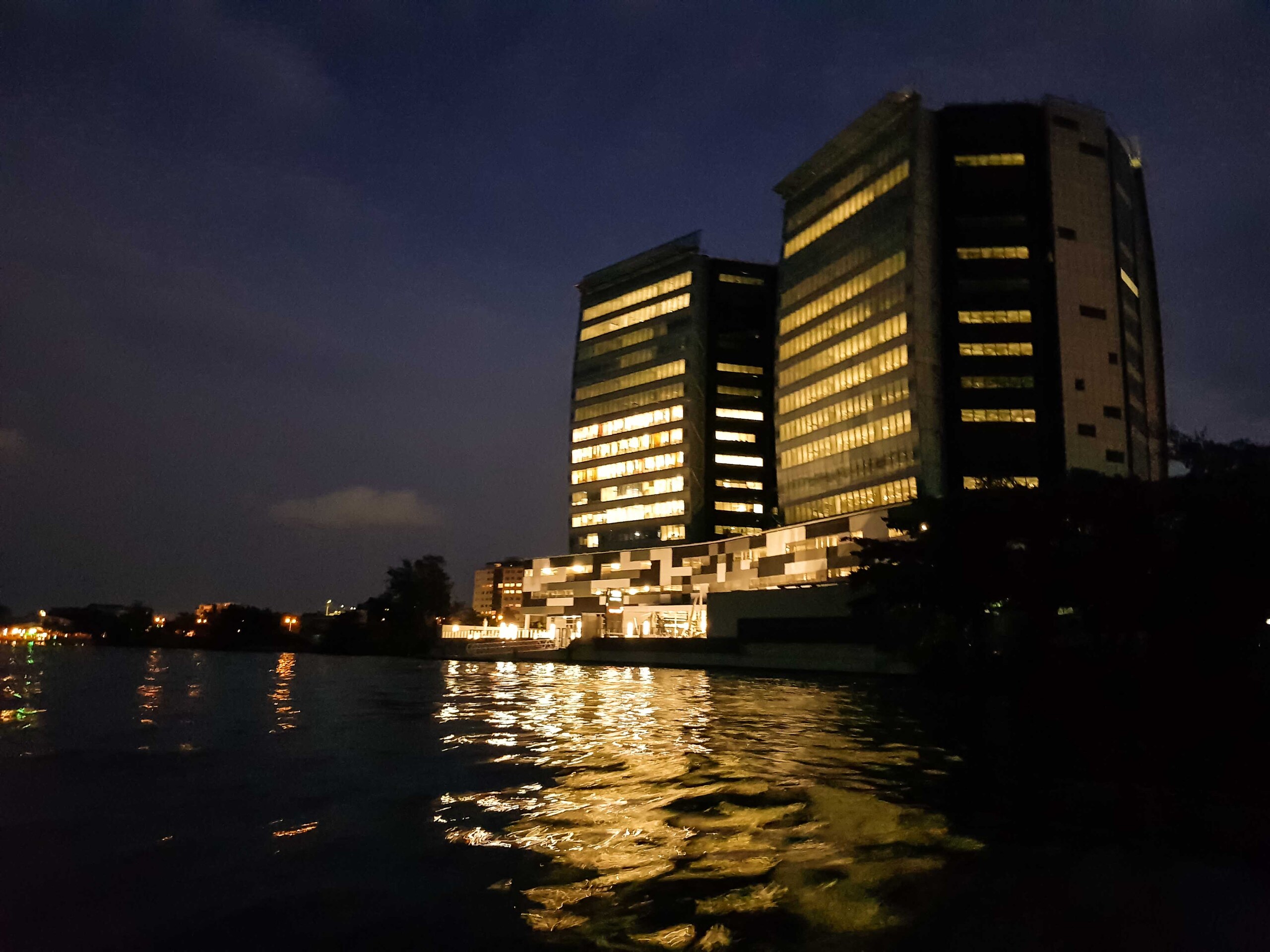
The Nigeria tariff freeze is staying. Minister of Power Joseph Tegbe said on Monday 21 September 2026 that the government has no immediate plan to raise electricity prices.
He spoke in Abuja at a briefing marking his first 100 days in office. Bills have been held at the level set in July 2024.
What the Nigeria tariff freeze costs
The Nigerian Electricity Regulatory Commission, the federal regulator known as NERC, sets allowed tariffs and tracks what the policy costs. Its 2025 industry report put the subsidy from frozen tariffs at N1.928 trillion (about US$1.45 billion).
That was barely below the N1.949 trillion (about US$1.47 billion) recorded in 2024. It works out at an average of N160.69 billion (about US$121 million) a month.
Naira figures here are converted at a rate of 1,329.80 to the US dollar. That was the close on the Nigerian Foreign Exchange Market on Monday 21 September 2026, reported by the Lagos newspaper Vanguard.
Distribution companies cannot collect what they supply
Nigeria’s electricity is delivered by 11 distribution companies, known locally as DisCos. NERC data show they received power worth N3.68 trillion (about US$2.77 billion) in 2025.
They billed N2.99 trillion (about US$2.25 billion) of it and collected N2.32 trillion (about US$1.74 billion). The combined gap came to about N1.36 trillion (about US$1.02 billion).
About N694.8 billion (about US$522 million) was electricity supplied but never billed. Another N669.49 billion (about US$503 million) was billed but never paid.
The pattern has continued this year. In June 2026 the DisCos received power valued at N315.73 billion (about US$237 million) but collected N191.86 billion (about US$144 million).
Who is warning, and what they want
The warnings come from people with a stake in the answer. Dr Muda Yusuf runs the Centre for the Promotion of Private Enterprise, a Lagos group that lobbies for business.
He is a former director-general of the Lagos Chamber of Commerce and Industry. He told the financial site Nairametrics that the present arrangement cannot hold.
“The current structure of running the sector is clearly not sustainable because it’s government that is subsidising,” Yusuf said.
Yusuf put the outstanding subsidy at about N6 trillion (about US$4.5 billion) when he last checked. That is his own estimate rather than an official figure.
Azeez Abegunde, an electricity-sector analyst, said pricing is no longer the lever. His answer, he said, is to “sell more energy, bill more accurately and collect a higher percentage of what they bill.”
A source at the Abuja Electricity Distribution Company made the same case. That company sells power and would gain from a higher tariff, and Nairametrics did not name the source.
The company’s view was that the effort should go into “improving collection, reducing losses” so that more supplied energy becomes revenue. NERC puts commercial and collection losses among the DisCos at between 30 and 40 percent.
The quarterly picture from the regulator
NERC’s report for the third quarter of 2025, released on 6 January 2026, showed the same strain. The subsidy for those three months came to N458.75 billion (about US$345 million).
DisCos booked N147.92 billion (about US$111 million) in billing losses over the same quarter. Their aggregate technical, commercial and collection losses stood at 33.27 percent, against a target of 20.54 percent.
What the World Bank found
The World Bank reached a similar conclusion in a restructuring paper for its Power Sector Recovery Programme in May 2026. It said tariff shortfalls rose from N140 billion (about US$105 million) in 2022 to N1.9 trillion (about US$1.43 billion) a year.
That was the level in both 2024 and 2025, a more than thirteen-fold rise in three years. The bank blamed the June 2023 currency liberalisation, which weakened the naira and raised gas costs.
The same paper cancelled US$717.7 million of undisbursed funding. The programme closed on 31 May 2026 instead of 30 June 2027, with reform targets unmet.
What Abuja is doing instead
Rather than raise prices, the government is paying down what it owes. Tegbe said it had raised N1.23 trillion (about US$925 million) against a debt backlog of N3.3 trillion (about US$2.5 billion).
“It is not on our table; it is not on our agenda,” he said of a tariff rise. He also reported 350,000 new meters installed in his first 100 days.
The regional read-through
Nigeria is not alone in finding electricity pricing politically hard. The Nigerian newspaper The Guardian reported in September 2025 that 24 states had backed away from running their own power sectors.
They cited legacy debts, energy theft and the political risk of raising tariffs. Only 12 states had been granted regulatory autonomy at that point.
The wider contest for African energy and infrastructure finance runs through Africa: The New Scramble. Financing terms and control of the grid are part of that story.
What to watch next
No date has been set for any tariff adjustment. The next NERC quarterly report will show whether billing losses and the subsidy bill are steadying.
For now the Nigeria tariff freeze holds bills down and pushes the cost onto the state. Whether collection improves enough to close the gap is the open question.
Frequently Asked Questions
How much did the Nigeria tariff freeze cost in 2025?
The Nigerian Electricity Regulatory Commission put the 2025 subsidy from frozen tariffs at N1.928 trillion (about US$1.45 billion), close to the N1.949 trillion (about US$1.47 billion) paid in 2024.
Is Nigeria about to raise electricity tariffs?
Minister of Power Joseph Tegbe said on Monday 21 September 2026 that there is no immediate plan to raise tariffs, and that a rise is not on the government’s agenda.
How much do Nigeria’s distribution companies fail to collect?
NERC data show the 11 distribution companies received electricity worth N3.68 trillion (about US$2.77 billion) in 2025 but collected N2.32 trillion (about US$1.74 billion), a gap of about N1.36 trillion (about US$1.02 billion).
Connected Coverage
Sources
- nairametrics.com
- dailytrust.com
- pmnewsnigeria.com
- icirnigeria.org
- nairametrics.com
- guardian.ng
- vanguardngr.com
This article was produced by The Rio Times’ automated newsroom system. How we use AI · Report an error
LatAm Markets: Live Signals → — real-time movers, turnover leaders and FX across Latin America.
Read More from The Rio Times