Mexico Hikes Textile Tariffs to 35% to Save Struggling Industry
Mexico’s textile industry is fighting for survival. President Claudia Sheinbaum’s recent decree aims to breathe new life into this struggling sector. The government has raised tariffs on imported textiles and manufactured goods to 15% and 35% respectively.
These measures come as a response to alarming trends. The textile industry’s GDP has been shrinking by 4.8% annually. This decline translates to a loss of 60 million dollars in wages each year. Since 2019, Mexico has been importing more textiles than it exports.
Economy Secretary Marcelo Ebrard highlighted the importance of these changes. The textile industry employs nearly half a million Mexicans. These jobs are at risk due to unfair competition and potential dumping practices from foreign markets.
The new tariffs don’t apply to countries with existing free trade agreements. This strategic move aims to balance international trade relationships while protecting domestic producers. The government has also tightened regulations on the IMMEX program to prevent abuse.
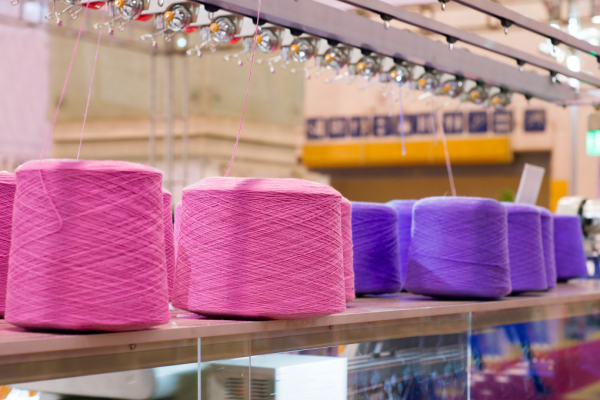
Central states like Mexico, Puebla, Hidalgo, and Guanajuato are expected to benefit most. These regions, along with Coahuila and Jalisco, form the backbone of Mexico’s textile production. The success of this policy could revitalize local economies in these areas.
This decision is part of a broader economic strategy. In April, Mexico increased tariffs on over 500 product categories. The government is clearly signaling its commitment to domestic industry protection and growth.
As global trade tensions persist, Mexico’s approach to its textile industry could serve as a case study. The coming months will reveal whether these protective measures can truly revive a crucial sector of the Mexican economy.
Mexico Hikes Textile Tariffs to 35% to Save Struggling Industry
Key Facts
— Deep Dive
— For the complete picture, read our in-depth guide: Mexico Economy 2026: GDP, Peso, Nearshoring, Banxico and Trade
More: Mexico news in English, every day from The Rio Times.
This article was produced by The Rio Times’ automated newsroom system. How we use AI · Report an error · Editorial responsibility: Matthias Camenzind, Editor-in-Chief
In depth