Union Says 22 Mauritian Workers Died Unpaid
Garment workers dismissed from two failed Mauritian factories are still waiting for pay, and their union leader wants the law changed so that workers are paid before other creditors.

Labour: Mauritius
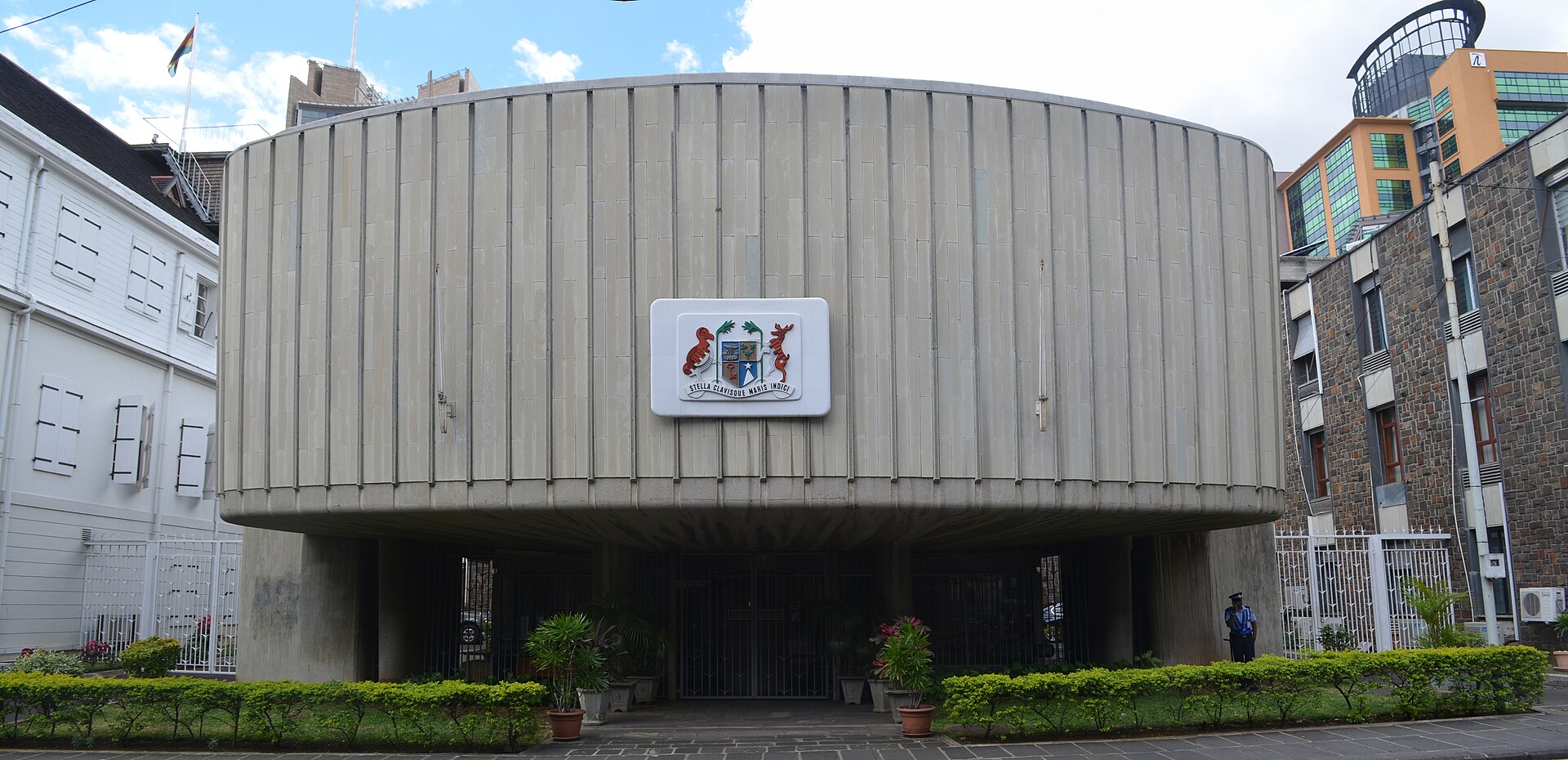
Trade unionist Fayzal Ally Beegun told Mauritius’s Labour Minister Reza Uteem on Thursday 19 November 2026 that 22 former garment workers have died without receiving the compensation they were owed. The meeting at Victoria House, the Labour Ministry’s offices in Port Louis, lasted more than an hour.
Beegun says 15 of the dead worked for Padco Ltd and 7 for Star Knitwear Ltd, two Mauritian clothing makers now in insolvency procedures. The figure is his own count, and we found no official tally.
Key Facts
- Who. Trade unionist Fayzal Ally Beegun and Labour Minister Reza Uteem, with former workers of two garment makers.
- What. Beegun says 22 former workers of Padco and Star Knitwear died unpaid, and he wants workers paid first.
- Where. Victoria House, the Labour Ministry’s offices in Port Louis, Mauritius, on Thursday 19 November 2026.
- Next. The receiver is due to report on a Star Knitwear building sale by Friday 11 December 2026.
- As of. 21 November 2026, 20:30 GMT.
Garment workers dismissed from two failed Mauritian factories are still waiting for pay, and their union leader wants the law changed so that workers are paid before other creditors.
Padco closed in August 2020, and Star Knitwear wrote in January 2025 to about 240 workers ending their contracts. Further layoffs followed, and the company went into receivership, in which an official called a receiver runs the firm during insolvency.
In November 2025 Beegun told the minister he did not want people who had worked all their lives to die before being paid. After this week’s meeting Beegun said: “It is very sad when a worker who gave 15 to 20 years to a company is no longer here before the compensation arrives” (translated from French).
Beegun asks for an amendment of the law so that employees are paid first when a company goes bankrupt. Beegun says that when a company goes into administration, its assets are sold to repay creditors and workers share only what is left.
Star Knitwear shows the gap: it owes more than Rs 1 billion (about US$21 million, at about Rs 47 to the US dollar, the market rate of 20 November 2026), and a figure of about Rs 1.2 billion (about US$25.5 million) was cited this week, while in July 2025 the minister valued its assets at about Rs 200 million (about US$4.3 million). MauBank, a Mauritian bank, is among its main creditors, and Beegun asks the minister and the Prime Minister’s Office to press it so workers can be paid.
We found no statement from the Labour Ministry on changing the law, so it is not clear that the proposal has government backing. Beegun calls the situation “a disgrace for all governments since independence” (translated from French), and says the companies were backed by banks, one with the state as shareholder, and by government.
At Padco, Beegun says, money exists: in April 2026 he spoke of Rs 45 million (about US$1.0 million) blocked. The minister had asked the administrator to use part of it to pay workers.
The administrator, the official running Padco’s insolvency, refused, saying certain procedures had to come first. More than six years after the closure, Beegun says, some former Padco workers do odd jobs such as cleaning toilets.
Ravi Ladoua, a representative of the former Star Knitwear workers, said outside the ministry on 1 April 2026 that the factory owed more than Rs 1 billion. Most former staff are over 55 and some gave 30 to 38 years to the plant, and they planned a protest at Parliament on 30 April 2026.
World Knits, another garment maker in administration, owes more than 500 workers between four and six months of wages, Beegun says. On Friday 13 November 2026 workers voted against liquidation, by 374 votes of 405, to win guarantees on unpaid wages and years of service.
We found no statement from MauBank, and the receiver has not said what share workers can expect. The administrator’s position at Padco is that procedure comes before payment.
Mauritian textile jobs depend on export orders, and hundreds of Star Knitwear workers and more than 500 at World Knits are now caught in insolvency. The case matters beyond the island because the law, as Beegun describes it, ranks workers last, behind creditors who are repaid from asset sales.
Padco workers have now waited more than six years, and Star Knitwear workers nearly two. A third case, World Knits, has put another 500 workers in the same queue.
According to what Minister Uteem announced, the receiver is due to report by Friday 11 December 2026 on the sale of a Star Knitwear building at Coromandel, an industrial area of Mauritius,, which Courts, a Mauritian furniture and electronics retailer, may buy. The sum that goes to former employees depends on that sale.
In January 2027 the first Star Knitwear workers will have waited two years. No date for payment has been set, and the total owed to workers across the three companies has not been published.
Frequently Asked Questions
Who is paid first when a Mauritian company fails?
Beegun says workers come last, after assets are sold to repay creditors. He wants the law amended so that employees are paid first.
What will decide whether former workers are paid soon?
The sale of the Star Knitwear building at Coromandel matters most, because the sum for employees depends on it. The receiver’s report is the next step to follow.
Is the count of dead workers official?
No, it is Beegun’s own count, and no official figure has been published. That is why the number is attributed to him.
Sources
Statements by trade unionist Fayzal Ally Beegun and Minister Reza Uteem, 19 November 2026; union representative Ravi Ladoua, 1 April 2026; Ministry of Labour and Industrial Relations
Connected Coverage
Mauritius news · Bank of Mauritius Raises Key Rate to 5% · Mauritius PM, Chagos and Water Crisis · Morocco Textile Exports Fall for a Third Year
This article was produced by The Rio Times’ automated AI newsroom. Editorial responsibility: Matthias Camenzind, Publisher and Editor-in-Chief. The Rio Times also runs Ask Rio Times, which answers from 100,000+ of our own articles, the daily Latin America Power Map, and prediction-market odds on elections and markets.. How we use AI · Report an error