
LIBERIA · MINING & ENERGY
Key Facts
- —What Liberia hosts the Liberia International Mining and Energy Conference and Expo, known as LIMEC 2026, on Wednesday 28 and Thursday 29 October 2026.
- —The money Conference materials say the projects on show could attract about US$3 billion, which is the organisers’ estimate and not a signed commitment.
- —Iron ore ArcelorMittal Liberia holds an amended deal to 2050 and reports a total Liberian investment of about US$3.5 billion.
- —Power About 32.7% of Liberians have electricity, and the government targets 75% access and 75% renewables by 2030.
- —For US readers ArcelorMittal trades on the New York Stock Exchange, which gives US investors a direct route into Liberian iron ore.
- —Still open Whether the investment promises turn into signed contracts, and whether the new mining rules arrive, is not yet clear.
Liberia is courting about US$3 billion in mining and energy investment at a conference on 28 and 29 October, as it tries to turn iron ore, gold and power into jobs and revenue. The figure is the organisers’ estimate of what the projects on show could attract, not money already committed.
Mines and Energy Minister R. Matenokay Tingban has said Liberia must move beyond exporting raw materials and ensure that mining benefits Liberians. The conference, called LIMEC 2026, is run by the ministry, the Liberia Chamber of Mines and the London-based organiser AME Trade.
Iron Ore and the Rail Line
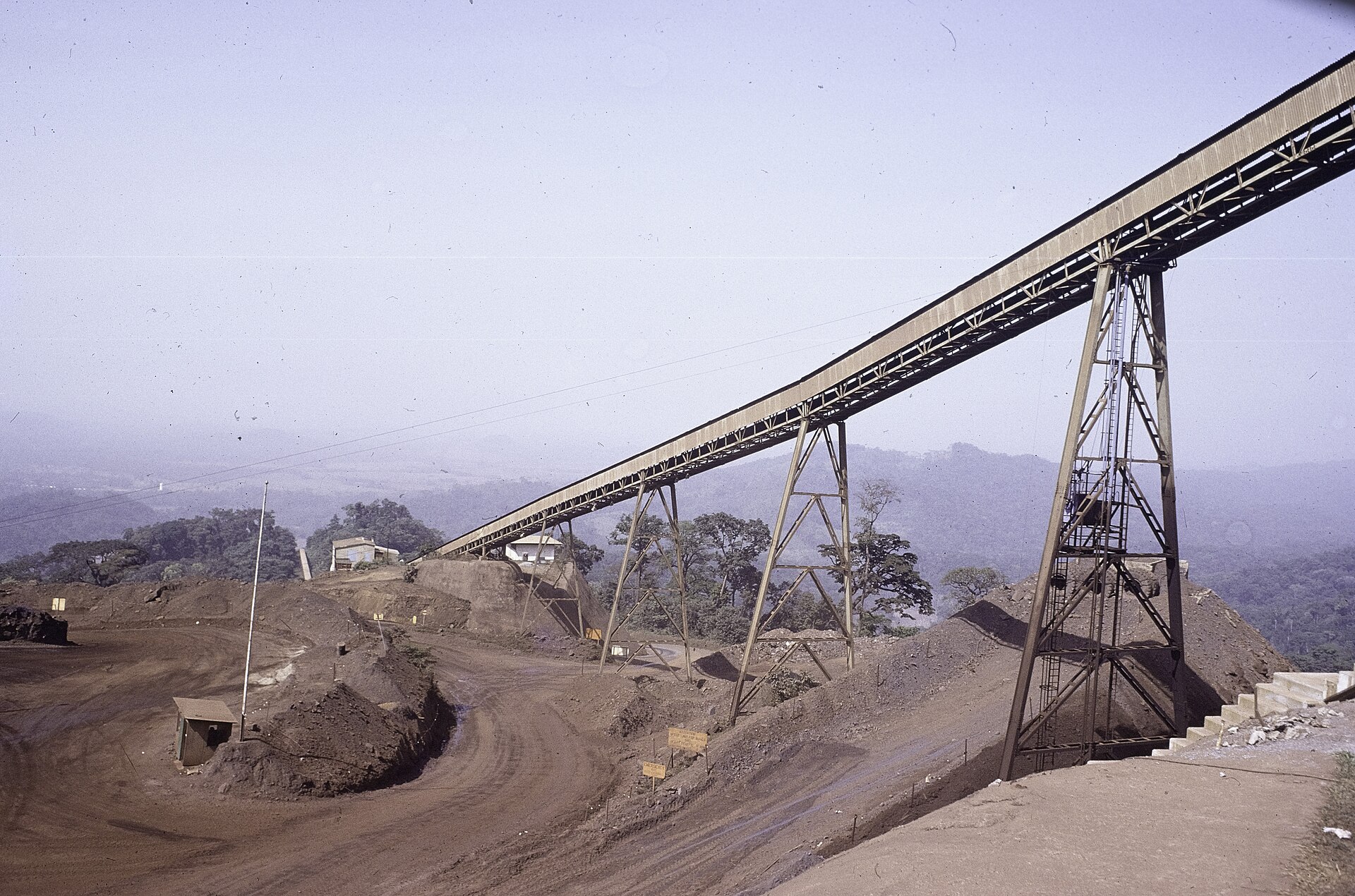
Iron ore is the most advanced part of the strategy, led by ArcelorMittal, the global steelmaker that has operated in Liberia for years. The company reports a total Liberian investment of about US$3.5 billion and inaugurated a new concentrator at Tokadeh, in Nimba County, in June 2025.
Liberia’s House of Representatives approved an amendment to ArcelorMittal’s agreement on 22 January 2026, and the Senate followed on 30 January. The deal runs to 2050 with an option to renew for a further 25 years, and the company agreed to pay US$200 million.
ArcelorMittal has kept its 2026 shipment forecast for Liberia at 18 million tonnes, according to its second-quarter results filed with the US Securities and Exchange Commission. It reported that heavy rains cut second-quarter shipments to 9.4 million tonnes, below production of 10.1 million tonnes.
Lawmakers also ratified, in December 2025, an agreement that lets Ivanhoe Atlantic use the Yekepa–Buchanan railway to ship iron ore from the Kon Kweni project in neighbouring Guinea. Kon Kweni holds about 752 million tonnes of direct-shipping ore, of which 209 million tonnes grade 67.8% iron.
Gold and the Informal Economy
Gold is the more contested part of the sector, and a large share of it is informal. Two senators, including Francis Dopoh, said in a bill in April 2026 that more than 70% of gold activity is informal.
Minister Tingban said in February 2026 that a new mining regulation and a review of the mining law would follow within three months. Public reports we found do not show whether the new code was finished or passed.
Power Is the Bottleneck
Only about 32.7% of Liberians have access to electricity, according to figures reported by Ecofin in June 2026. The government’s stated goal is 75% access and 75% renewable power by 2030.
The 88-megawatt Mount Coffee hydropower plant is the country’s main power source. A 20-megawatt solar plant opened there in June 2026, and the World Bank approved financing on 8 June 2026 to raise solar capacity to 30 megawatts and add a 12-megawatt battery system.
What It Means for You
For US investors, Liberia offers exposure to iron ore, gold and power in a small market that is trying to rebuild trust after civil war and the Ebola crisis. The sector’s big names include ArcelorMittal, whose steel output feeds global construction, and Ivanhoe Atlantic, a US-based company.
ArcelorMittal trades on the New York Stock Exchange, so its Liberian output is of direct interest to US shareholders. The question for visitors to LIMEC is whether rules, licences and power supply are reliable enough to justify long-term bets.
What Is Not Known
It is not known how much of the US$3 billion will become signed contracts, because the figure comes from organisers and not from investors. The cost, financing and timetable for expanding the Yekepa–Buchanan railway beyond its current use are also not established.
Whether Liberia’s new mining code has been enacted is unclear from the reports we found. We also did not review the guest list or the agenda of the conference itself.
More: Liberia news in English, plus our report on 15 offshore oil blocks and our guide to Africa’s critical minerals.
Frequently Asked Questions
What is LIMEC 2026?
It is the Liberia International Mining and Energy Conference and Expo, held on 28 and 29 October 2026 and run by the Ministry of Mines and Energy, the Liberia Chamber of Mines and AME Trade. Organisers say the projects on show could attract about US$3 billion.
How much does ArcelorMittal expect to ship from Liberia in 2026?
Its forecast for 2026 shipments remains 18 million tonnes, according to its second-quarter results. Heavy rains lowered shipments in the second quarter.
How many Liberians have electricity?
About 32.7% have access, according to figures reported in June 2026. The government targets 75% access and 75% renewable power by 2030.
What is the Yekepa–Buchanan railway deal?
Lawmakers ratified an agreement in December 2025 that lets Ivanhoe Atlantic use the railway to ship iron ore from the Kon Kweni project in Guinea. The ore must cross Liberia to reach the port of Buchanan.
Sources: FrontPage Africa, Liberia bets its future on iron, gold and power; The New Dawn, government launches 2026 mining and energy expo; allAfrica, Senate vote on the ArcelorMittal amendment; allAfrica, senators on informal gold; ArcelorMittal second-quarter 2026 results (Form 6-K, US Securities and Exchange Commission).
This article was produced by The Rio Times’ automated newsroom system. How we use AI · Report an error · Editorial responsibility: Matthias Camenzind, Editor-in-Chief
Part of our ongoing coverage
Africa: The New Scramble — the great-power contest over the continent.