
Key Facts
—What. Wool and mohair exports from Lesotho to China have resumed, according to a report of 23 September 2026, four months after China lifted its ban of 17 March.
—Why it was banned. China imposed the ban under customs Announcement No. 28 of 2026, after Lesotho confirmed its first foot-and-mouth outbreak in February.
—The rule. Wool must be treated to inactivate the virus, and Lesotho chose heat treatment at 37°C for eight days.
—The stakes. Wool and mohair earn about M900 million (about US$55 million) a year and make up roughly 60% of Lesotho’s agricultural exports.
—Stranded cargo. Wool worth more than M100 million (about US$6 million) had been held at South African ports during the ban.
—Still unknown. How much treated wool has shipped to China since exports restarted, and at what value.
Wool and mohair exports from Lesotho to China have resumed, according to a report of 23 September 2026, four months after Beijing lifted a ban imposed over foot-and-mouth disease. Wool must be heat-treated first, and a new protocol covers any future outbreak.
For US readers, Lesotho is best known as a beneficiary of the African Growth and Opportunity Act, or AGOA, which now runs to 2028. Wool is the other side of its trade, and a disease shock there shows how exposed a small, landlocked economy is to animal-health rules set abroad.
How the Ban Began and Ended
Foot-and-mouth disease, a highly contagious livestock illness, was first confirmed in Lesotho in February 2026 in the Botha-Bothe district. The government declared a national disaster, and China banned Lesotho wool on 17 March under customs Announcement No. 28 of 2026.
China’s General Administration of Customs and its Ministry of Agriculture and Rural Affairs lifted the ban on 26 May. Their notice said the ban was lifted “based on the results of the risk analysis”.
Lesotho government spokesperson Boitelo Rabele welcomed the decision, saying consignments held at South African ports had been released and payments to farmers had begun. The Lesotho News Agency reported that wool worth more than M100 million (about US$6 million) had been stuck at the ports.
What China Requires
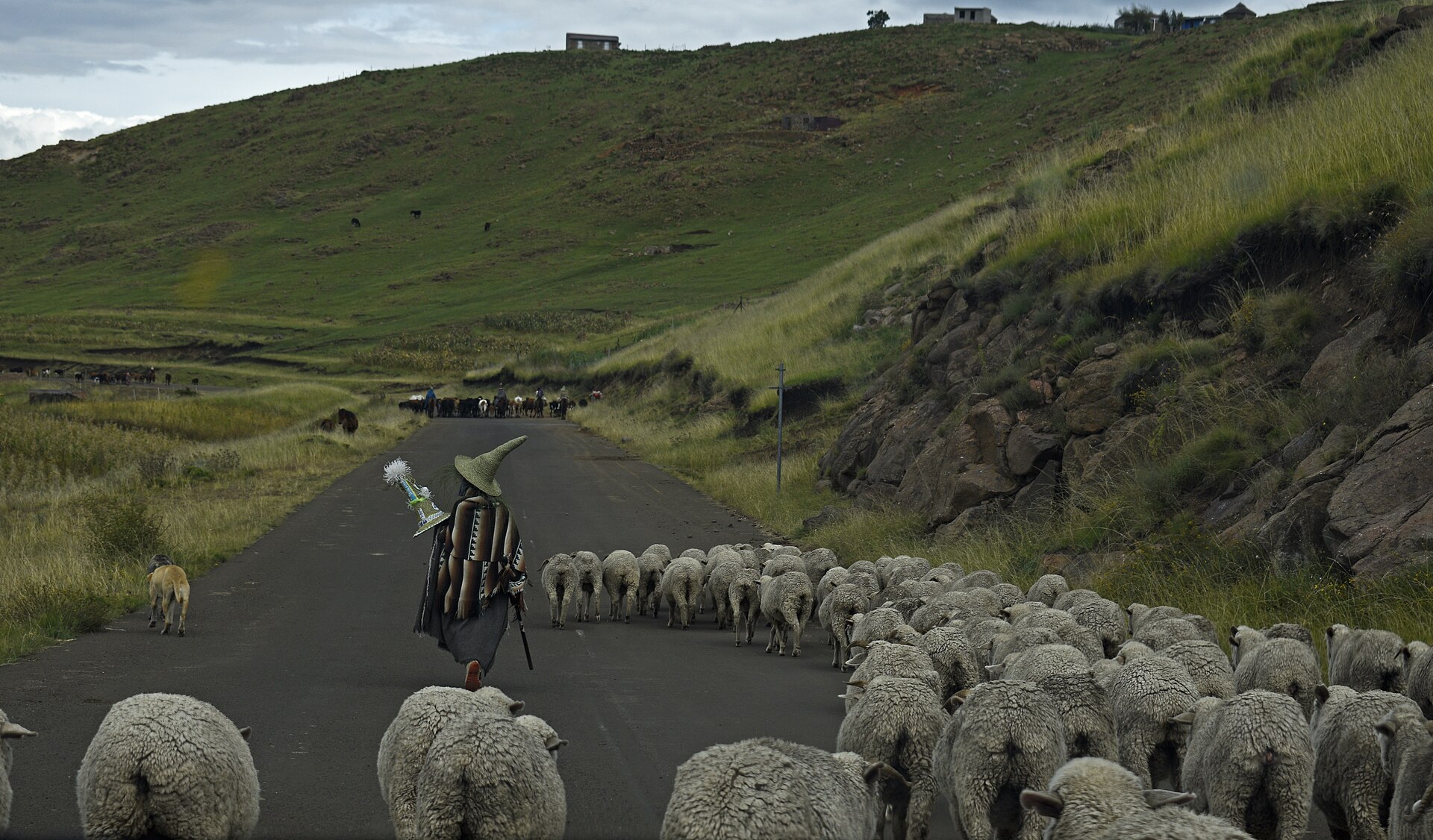
Wool must comply with Chinese law and with the foot-and-mouth rules in the animal health code of the World Organisation for Animal Health, known as WOAH. Under a customs protocol, according to regional media, untreated wool and mohair from affected areas must be processed to inactivate the virus.
Processing sites must be approved by Lesotho and registered with China, and each shipment needs an official health certificate. Lesotho chose heat treatment, keeping wool at 37°C for eight days before export.
Agriculture Minister Selibe Mochoboroane inspected the heat-treatment facility of Bophelo Wool and Mohair in Mohale’s Hoek in July and urged stakeholders to keep to the agreed biosecurity measures. Bophelo’s compliance manager said shortcomings found would be fixed within two weeks.
The Restart in September
A report published on 23 September said China and Lesotho had signed a protocol on “the orderly export of Lesotho’s wool and mohair, including during future FMD outbreaks”. It quoted Chinese Ambassador Yang Xiaokun as saying: “We hope to work together to turn this policy opportunity into concrete gains for Basotho farmers”.
Yang said China applies zero-tariff treatment to 53 African countries with diplomatic ties, Lesotho included. The report gave no shipment volumes or values, and we found no customs data on exports since the restart.
Why the Wool Matters
The wool and mohair sector earns about M900 million (about US$55 million) a year and involves roughly 2 million sheep, according to Ecofin Agency. It accounts for about 60% of Lesotho’s agricultural exports and supports about a quarter of the rural population.
After certification, Lesotho’s wool can go to auction floors in Port Elizabeth and Durban in South Africa, the Lesotho Tribune reported on 5 July. China and South Africa both required proof that the products were free of the disease.
Botswana supplied 100,000 vaccine doses in August and sent veterinary experts to train Lesotho staff. The vaccination drive aims to contain the outbreak and protect the export trade.
What It Means for US Readers
A farm sector worth about US$55 million a year is small in dollar terms but supports about 45,000 families, according to the Lesotho News Agency. For American buyers of wool and mohair, the episode is a reminder that animal-disease rules can close a supply route within days and take months to reopen.
For anyone tracking Lesotho’s export base, the case shows that earnings depend on more than garments. Wool revenue now hinges on a treatment process for which Lesotho had to set up new facilities.
What Is Not Known
The sources we reviewed do not say how much treated wool has reached China since the restart, or at what value. No source gives the total cost of the ban to farmers.
We found no official statement, as of 20 October, that the outbreak has ended. It is also unclear how many approved treatment sites are now operating.
Sources
Lesotho News Agency, government welcomes China’s decision · Public Eye News, China lifts wool ban · Lesotho News Agency, biosecurity protocols · Uncensored, wool exports resume · Lesotho Tribune, wool and mohair clearance · Ecofin Agency, Lesotho vaccines
This article was produced by The Rio Times’ automated newsroom system. How we use AI · Report an error · Editorial responsibility: Matthias Camenzind, Editor-in-Chief
Part of our ongoing coverage
Africa: The New Scramble — the great-power contest over the continent.
Great Powers in Africa
- Who Backs Whom in Africa 2026: China, Russia, US, Gulf
- Africa: The New Scramble
- DP World and AD Ports Drive Gulf States Africa Investment as Saudi Deals Follow
- China Slashes Africa Lending 46% as Kenya and Angola Race to Refinance Old Debts
Frequently Asked Questions
Have Lesotho wool exports to China resumed?
Yes, according to a report of 23 September 2026 that quotes China’s ambassador. No shipment volumes or values have been published.
When did China lift its ban on Lesotho wool?
China’s customs agency and agriculture ministry lifted the ban on 26 May 2026. It had been in place since 17 March, after Lesotho’s first foot-and-mouth outbreak.
What must Lesotho wool meet to enter China?
Wool must meet Chinese law and WOAH rules for inactivating the foot-and-mouth virus. Lesotho chose heat treatment, holding wool at 37°C for eight days at approved facilities.
How important is wool to Lesotho?
Wool and mohair earn about M900 million (about US$55 million) a year, according to Ecofin Agency. They make up roughly 60% of the country’s agricultural exports.