Your Latin America Tax To-Do List Before August: Four Deadlines That Actually Move
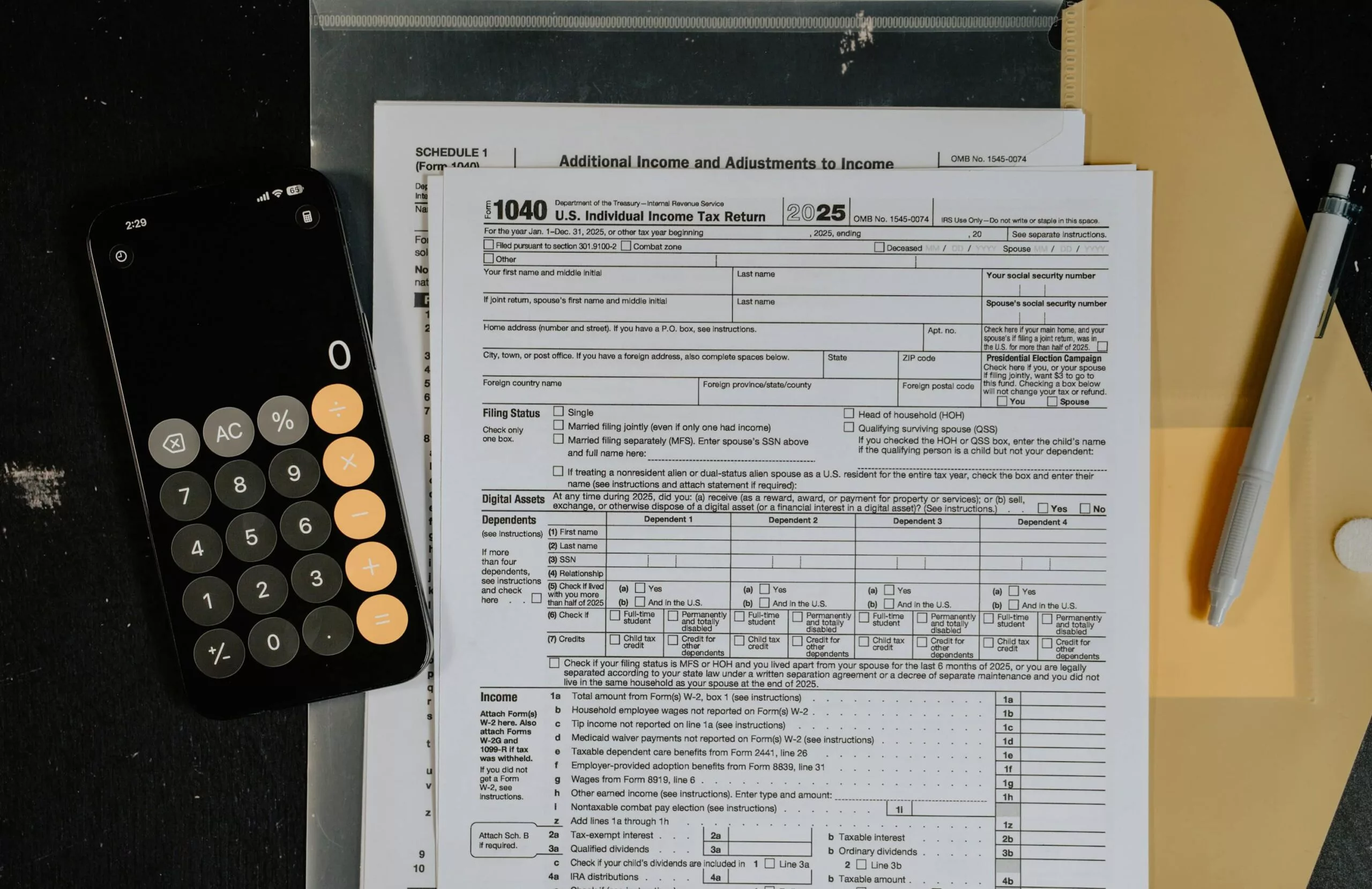
Colombia’s July 20 reform taxes 183-day residents on worldwide income and assets; Argentina’s Monotributo brackets rise 16.8 percent with an August 5 recategorisation deadline; Uruguay now taxes residents’ foreign income at 12 percent; and Chile lets new arrivals extend a three-year foreign-income exemption.
Four tax threads across Latin America move before August, and each one can reach a foreigner’s income or assets. Here is the short, actionable list — what is happening, who it touches, and the date or step that matters.
Key Facts
- Colombia. A new tax reform is filed July 20, touching 183-day residents’ worldwide income and assets.
- Argentina. Monotributo brackets rise 16.8 percent; freelancers must recategorise by August 5.
- Uruguay. Residents’ foreign income is now taxed, at 12 percent or 8 percent with withholding.
- Chile. New arrivals can extend a three-year foreign-income exemption by applying to the tax authority.
- The point. None change on their own; each needs an action or a diary date before August.
Colombia: a reform filed July 20
Colombia’s government files its fifth tax-reform attempt on July 20, as the new Congress installs. The bill would raise the top personal income-tax rate toward 41 percent, add wealth-tax tariffs on the largest fortunes, and trim some VAT exemptions.
For foreigners, the reach is through tax residency: someone in Colombia more than 183 days is taxed on worldwide income. The reform is a bill without majorities, so nothing changes yet, but residents should track it.
Argentina: recategorise Monotributo by August 5
Argentina’s simplified Monotributo regime for small taxpayers raises its brackets 16.8 percent in August, in line with first-half inflation. The top annual billing ceiling climbs to about 126.5 million pesos (~US$85,000).
If you bill local clients as a monotributista, you have until August 5 to review your last twelve months of invoicing and confirm or change your category. Miss it, or sit in the wrong band, and you risk penalties or exclusion.
Uruguay: the new foreign-income tax is collecting
Since January 2026, Uruguay taxes residents’ foreign capital income, at 12 percent, or 8 percent if it is withheld at source. A look-through rule can catch income held through offshore companies, closing a route that once kept foreign earnings untaxed.
New residents can still claim a one-off tax holiday on foreign income, but the window is tied to the year you become resident. If you hold offshore assets, check how the rules apply before year-end.
Chile: file to extend the exemption
Foreigners who move to Chile are taxed only on Chilean-source income for their first three years, a valuable exemption for new arrivals. It can be extended for a further three years, but only on application to the tax authority, the SII.
The extension is not automatic, so anyone approaching the end of the initial period should file in time rather than assume it rolls over.
How to use this list
Two of these are hard dates, Argentina’s August 5 recategorisation and Colombia’s July 20 filing, while Uruguay and Chile are ongoing rules that reward acting early. Put the dates in your diary and match each to your own situation.
None of this is tax advice, and the details turn on your residency and income. A local accountant in each country is the reliable way to confirm what applies to you.
Confirm Before You File
A caveat runs through all four items: Latin American tax rules shift often, and dates can be extended or amended at short notice. Before acting, confirm the current position with the relevant authority, Argentina’s tax agency for the Monotributo recategorisation, Chile’s SII for the exemption filing, Colombia’s DIAN for the reform’s progress, and Uruguay’s DGI for the foreign-income rules.
The reason these four made the list is simple: each either moves money or changes legal status before its window closes, unlike the steady drip of announcements that can safely wait. Missing the Argentine recategorisation, for instance, can leave a taxpayer in the wrong Monotributo bracket for months, while Chile’s filing protects an exemption that otherwise lapses.
None of this replaces professional advice, but a calendar check now is far cheaper than a penalty later, especially for foreign residents juggling obligations in more than one country at once.
Background: our pix boletos and how payments actually work in brazil a guide for expats guide.
More: Latin America news in English, every day from The Rio Times.
Frequently Asked Questions
What tax deadlines are coming in Latin America?
Colombia files a reform July 20, Argentina’s Monotributo recategorisation closes August 5, Uruguay is taxing residents’ foreign income, and Chile’s exemption can be extended by application.
Does Colombia’s reform change my taxes now?
No. It is a bill without majorities, so nothing changes yet, but 183-day residents should track it as it targets worldwide income and wealth.
What is Argentina’s August 5 deadline?
Monotributistas must recategorise by August 5, based on their billing over the past year, as the brackets rise 16.8 percent.
Is Uruguay taxing foreign income?
Yes. Since January 2026, residents’ foreign capital income is taxed at 12 percent, or 8 percent with withholding, with a look-through rule for offshore structures.
How does Chile’s exemption work?
New arrivals are taxed only on Chilean income for three years, extendable for three more by applying to the SII.
Connected Coverage
- Argentina’s Monotributo brackets rise 16.8% in August
- What Colombia’s July 20 tax reform would mean for foreigners
- LatAm Expat & Nomad Daily Guide — Friday, July 17
This article was produced by The Rio Times’ automated newsroom system. How we use AI · Report an error · Editorial responsibility: Matthias Camenzind, Editor-in-Chief