Judicial Ballot Blues: Bolivia’s Struggle with Voter Apathy
Bolivia’s latest judicial elections reveal a nation wrestling with democratic ideals and practical realities. On December 15, 2024, citizens voted for high court judges, a process unique to Bolivia and now Mexico. This system, born in 2009, aims to inject democracy into the judiciary. However, it has sparked more controversy than confidence.
The election arrived late and incomplete. Only 19 of 26 positions were on the ballot, leaving gaps in the judicial landscape. This partial approach has raised eyebrows and questions about the process’s integrity.
Voter apathy looms large over these elections. Past judicial votes saw over 60% of ballots cast blank or null. Citizens struggle to connect with candidates who can’t campaign, creating a knowledge vacuum. This disconnect threatens the very legitimacy the system seeks to create.
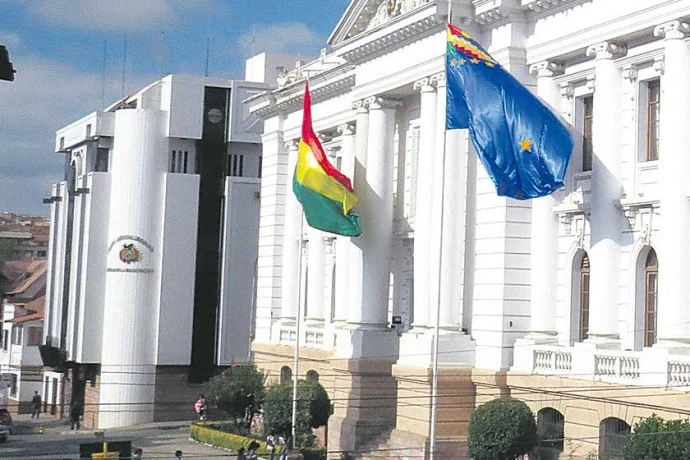
Critics argue the process opens doors to political meddling in courts. They see a facade of democracy masking potential manipulation. Supporters counter that it’s a step towards a more accountable judiciary. The truth likely lies somewhere in between.
The core issue at stake is judicial independence. Can popular elections deliver impartial justice? Or does this system simply trade one form of influence for another? Bolivia’s experiment challenges traditional notions of separating powers.
This story matters because it tests the limits of democratic principles. It asks whether direct democracy can function in all branches of government. The outcome will shape Bolivia’s legal landscape and could influence judicial systems worldwide.
Judicial Ballot Blues: Bolivia’s Struggle with Voter Apathy
More: Bolivia news in English, every day from The Rio Times.
This article was produced by The Rio Times’ automated newsroom system. How we use AI · Report an error · Editorial responsibility: Matthias Camenzind, Editor-in-Chief