Haiti Kenscoff Funeral Held as UN Urges Faster Gang Force Deployment
HAITI · SECURITY
Key Facts
- —What happened Mourners buried four victims of a gang massacre in Kenscoff, Haiti, on August 30.
- —How big The UN says at least 47 people died, though Haitian officials confirmed 25 dead.
- —What it means The UN Security Council urged faster deployment of the Gang Suppression Force to Haiti.
- —The catch Only about 1,000 of the authorized 5,550 troops are on the ground so far.
- —Who it affects Residents of Kenscoff, a hillside town near Port-au-Prince, and all of Haiti.
- —What comes next The UN wants the force at full strength, but no newer troop count has been released.
As Haiti buries victims of the Kenscoff gang attack, the UN Security Council is pressing for the rapid, full deployment of the international Gang Suppression Force to a country where only a fraction of the authorized troops have arrived.
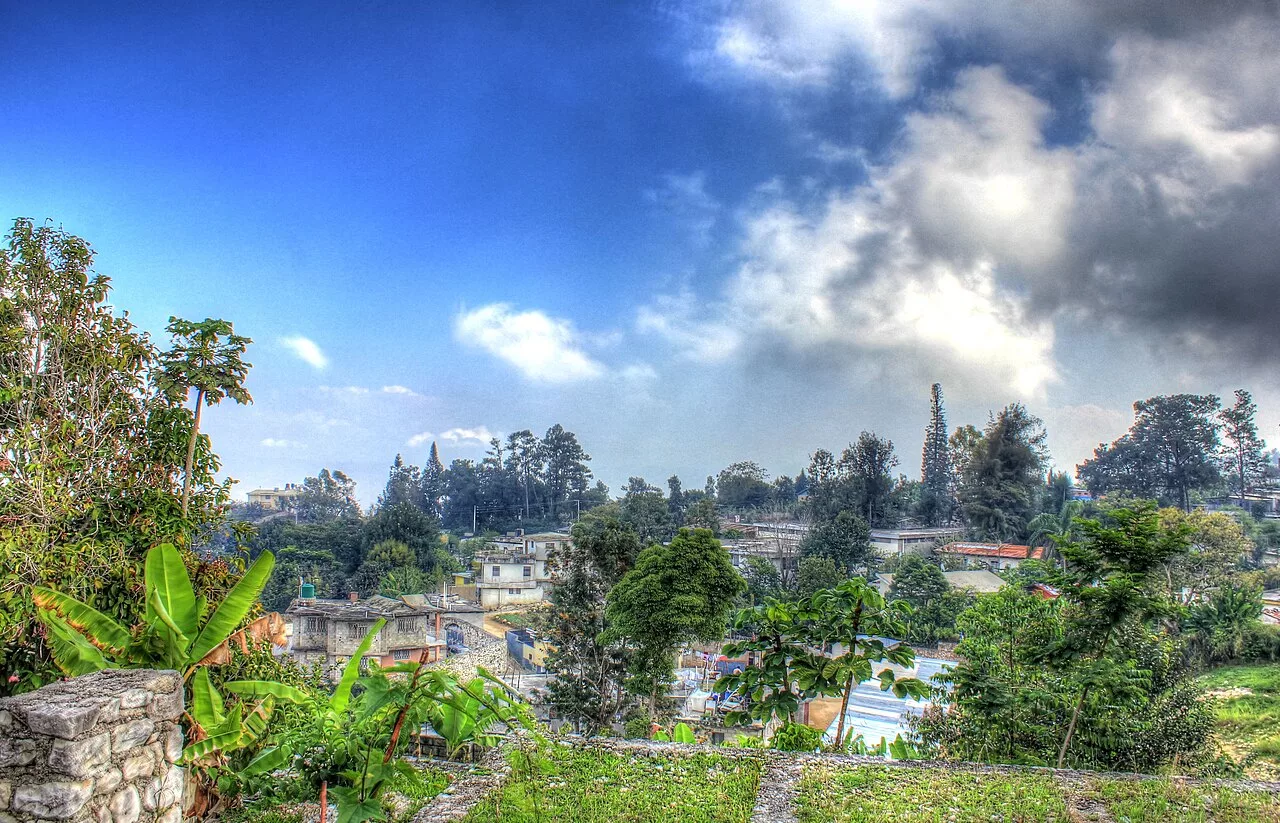
Haitians gathered in Kenscoff on Sunday, August 30, to bury four of the people killed in a gang attack that has shaken the hillside town near Port-au-Prince. Hundreds of mourners packed a Baptist church in Kenscoff, per the Haitian outlet Vant Bèf Info, before the burial at a nearby cemetery.
The service came less than a week after the Viv Ansanm gang coalition struck Kenscoff overnight on August 23-24, an assault that included a church where residents had sought refuge. Kenscoff Mayor Jean Massillon attended the funeral, according to Vant Bèf Info, and Pastor Jean Robert Dorlus spoke at the service, according to the AP.
A Death Toll Still in Dispute
The United Nations says at least 47 people were killed and 50 kidnapped in the attack, a figure the Security Council itself uses and the most widely repeated. But Haitian judicial officials have confirmed a lower toll, with Kenscoff Mayor Jean Massillon telling the Miami Herald that 25 deaths were verified and 15 people remained missing as of August 25.
The human-rights group RNDDH initially estimated 30 to 40 killed, cautioning that the count could change, Reuters reported. One unverified report from HaitiLibre put the number at “at least 60 victims,” but that figure has not been corroborated by other outlets.
UN Council Urges Faster Force Deployment
Two days before the funeral, the UN Security Council held an urgent briefing on Haiti and called for the Gang Suppression Force (GSF) to reach its full strength quickly. The UN’s top envoy for Haiti called for the force’s “swift and full deployment,” and members urged it to reach its planned size of 5,500 personnel as soon as possible, according to a UN readout dated August 28.
That statement is Council meeting language, not a new binding resolution. The briefing followed directly from the Kenscoff killings, with the UK calling the violence “horrific and unacceptable” and the US Mission to the UN also delivering remarks.
The Force’s Mandate and Its Gaps
The Gang Suppression Force grew out of an earlier international mission. UN Security Council Resolution 2699, adopted October 2, 2023, authorized the Multinational Security Support (MSS) Mission under Kenya’s leadership for an initial 12-month period.
Resolution 2751, passed September 30, 2024, renewed that authorization for another year. Resolution 2793, adopted September 30, 2025, then transformed the MSS into the Gang Suppression Force.
That same resolution created a UN Support Office in Haiti (UNSOH), which provides logistics and operational support to the GSF, Haiti’s national police, and its armed forces.
The authorized ceiling for the force is 5,550 personnel, according to a UN press release from July 20, 2026, though a later UN statement cited the “planned strength” as 5,500. As of that July 20 count, only about 1,000 troops were actually deployed, a gap the Dominican Republic’s foreign minister flagged explicitly in Council remarks.
Who Is on the Ground
Kenya leads the force, which is “largely populated by Kenyan troops,” according to UN materials. Jamaica, Belize, Guatemala, El Salvador, and the Bahamas have also contributed personnel, and were thanked by name in the UN press release marking the MSS-to-GSF transition.
No source with a deployment figure newer than July 20, 2026, was found, and no country-by-country pledge breakdown specific to the GSF was located. The predecessor MSS force numbered “just over 1,000” personnel as of March 2025, per the US Congressional Research Service.
The AP reported it was not clear when funerals for the other victims of the Kenscoff attack would be held. The town hall in Kenscoff separately declared three days of mourning, according to the Haitian newspaper Le Nouvelliste.
More: Haiti news in English, every day from The Rio Times.
Frequently Asked Questions
What happened in Kenscoff, Haiti?
The Viv Ansanm gang coalition attacked the hillside town of Kenscoff near Port-au-Prince overnight on August 23-24, 2026, including a church where residents had taken refuge. The UN says at least 47 people were killed, though Haitian officials confirmed 25 deaths with 15 people still missing.
What is the Gang Suppression Force?
The Gang Suppression Force (GSF) is an international security mission in Haiti, led by Kenya, that replaced the earlier Multinational Security Support Mission. It was authorized by UN Security Council Resolution 2793 in September 2025 to help Haitian police and armed forces fight gangs.
How many troops are deployed in Haiti?
About 1,000 of the authorized 5,550 personnel were deployed as of July 20, 2026, the most recent confirmed count. No newer deployment figure has been released since that date.
Did the UN Security Council pass a new resolution on Haiti?
No. The August 28, 2026 statement urging faster Gang Suppression Force deployment came from a Council briefing and press release, not a new binding resolution. The force’s mandate rests on earlier resolutions from 2023, 2024, and 2025.
When was the funeral for the Kenscoff victims?
The funeral was held on Sunday, August 30, 2026, at a Baptist church in Kenscoff, with hundreds of mourners attending. The service honored four of the people killed, and it was not clear when funerals for the other victims would take place.
Sources: Associated Press, PBS NewsHour, UN News, UN Press, Reuters, Al Jazeera, NPR, Miami Herald, Vant Bèf Info, Le Nouvelliste, HaitiLibre, UK Government (gov.uk), US Mission to the UN, US Congressional Research Service, Security Council Report.
This article was produced by The Rio Times’ automated newsroom system. How we use AI · Report an error · Editorial responsibility: Matthias Camenzind, Editor-in-Chief