Guatemala Pushes Fast-Track Electric Grid Law as 2 Million Remain Without Power
Guatemala · Energy
Key Facts
—10% without power About two million Guatemalans still live without access to electricity, an access gap the proposed law explicitly aims to close.
—Permit single window The bill would create a one-stop shop at the Ministry of Energy and Mines to centralize and speed up approvals now scattered across multiple state bodies.
—Municipal fee standard A single municipal levy for substations and lines would replace uneven local charges that have sparked conflicts and delayed transmission projects.
—Transmission bottleneck Inadequate grid capacity is stalling new renewable plants and regional power imports from Mexico, increasing system costs and reliability risks.
—Constitutional urgency The law is framed as compliance with Article 129 of Guatemala’s Constitution, which treats expanding electricity coverage as a matter of national emergency.
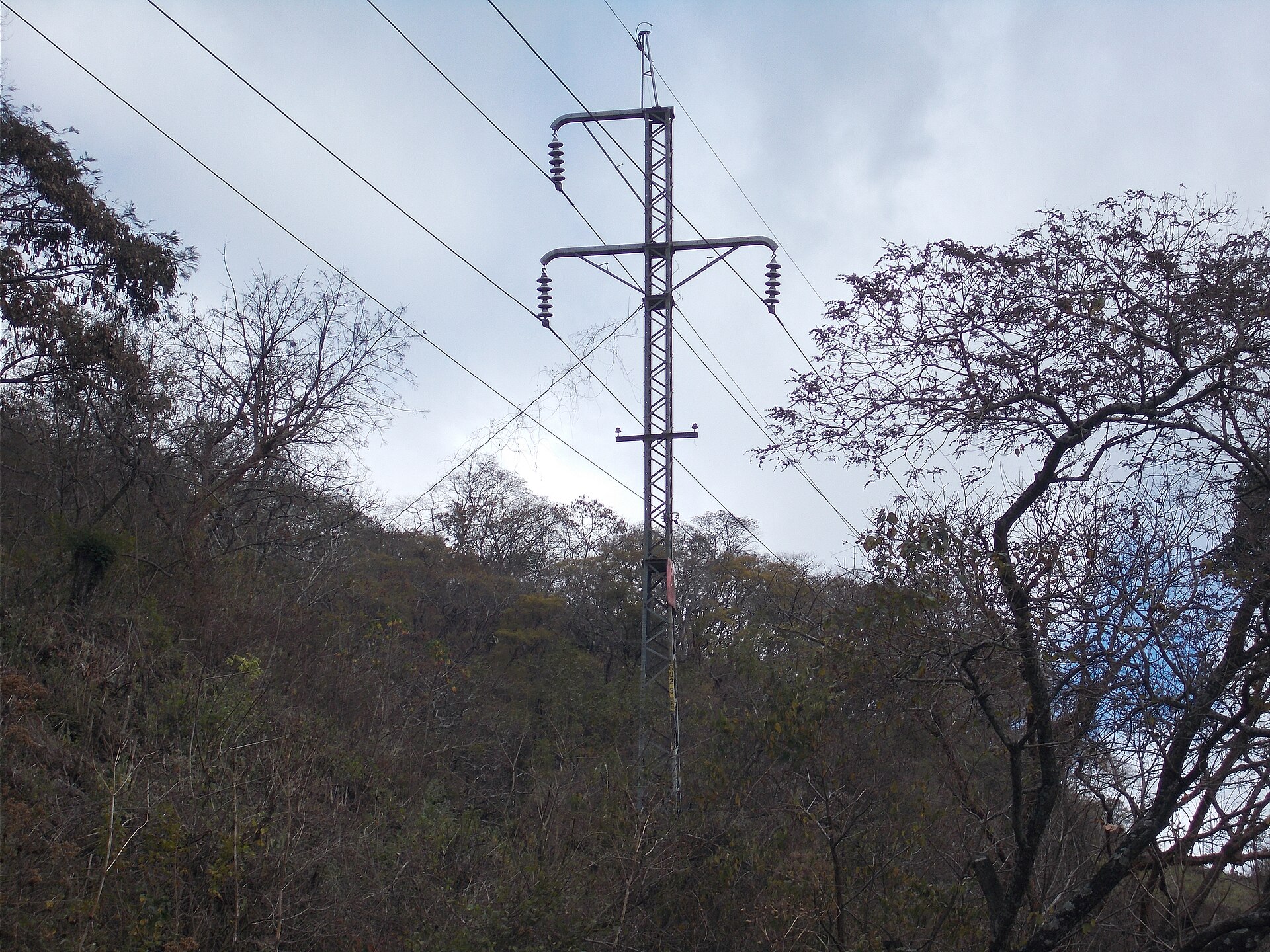
Guatemala’s Congress is fast-tracking an electric-grid infrastructure law that would overhaul permitting, standardize municipal charges, and strengthen the energy regulator to unblock delayed transmission projects.
What the Urgent Electric-Infrastructure Bill Would Do
The proposed Ley de Infraestructura Urgente para el Transporte de Energía, known as initiative 6665, would create a special legal regime for building and expanding high, medium, and low-voltage transmission infrastructure. It declares such projects to be of public utility and national interest, and it introduces a single-window permit system, a uniform municipal tax for substations and lines, and a ‘positive administrative silence’ rule that automatically approves requests if agencies miss mandatory deadlines.
The bill expands the technical powers of the National Electric Energy Commission (CNEE), allowing it to issue updated standards and define project-prioritization criteria. It also mandates coordinated state support to obtain legal easements for transmission works, directly targeting the land-rights and licensing logjams that lawmakers say have crippled the national transmission expansion plan.
Why Lawmakers Call the Bill an Emergency
Congressional records state that about 10 percent of Guatemala’s population, roughly two million people, still has no electricity access. Initiative 6665 is presented as a direct legal response to this gap and to Article 129 of the Constitution, which describes the electricity sector’s situation as one of national urgency and orders the government to expand coverage.
Deputy Minister of Energy and Mines Juan Fernando Castro Martínez has warned that the transmission system is the country’s main energy bottleneck, arguing that ‘without transmission, there is no energy transition.’ World Bank diagnostics confirm that inadequate transmission capacity is already delaying new renewable plants, blocking regional imports from Mexico and the SIEPAC system, and risking reliability in large areas dependent on a few fragile lines.
The Permit and Fee Roadblocks Getting a Rewrite
Currently, developers must chase permits from multiple disconnected state entities, a process that has stalled projects in the Plan de Expansión del Sistema de Transporte de Energía Eléctrica (PET). The new law would funnel all these procedures through a Ventanilla Única at the Ministry of Energy and Mines, with strict deadlines designed to prevent indefinite administrative silence.
Disputes with municipalities over irregular charges have been another constant source of delays. The bill’s single municipal levy for substations and transmission lines aims to eliminate the fee disparities that have historically arisen between different localities, providing cost predictability for both public and private investors.
A Push to Unlock Investment and Grid Expansion
Initiative 6665 is intended to provide legal certainty and reduce the regulatory dispersion that has deterred investment in Guatemala’s high-voltage backbone. Garcia & Bodán, a regional law firm, described the bill as a mechanism to strengthen transmission project development through streamlined permitting and enhanced institutional coordination.
The urgency has been amplified by recent setbacks: the PET-3 tender, launched in April 2025 to build over 500 kilometers of lines and 14 new substations, has already faced delays that forced the government to update its entire energy expansion strategy. Congress is now moving the bill toward a final floor vote under the figure of ‘urgencia nacional.’
Why This Matters for Residents and Investors
For the roughly two million Guatemalans still living without power, the bill represents a concrete plan to extend grids and connect isolated communities, complementing rural electrification programs backed by institutions like the Inter-American Development Bank. For businesses, a modernized grid means fewer unplanned outages and a clearer path for new solar, hydropower, and biomass projects that require reliable transmission.
Investors should watch whether the final approved text maintains the automatic-approval rule and the single municipal fee, as those two provisions directly affect project timelines and cost forecasts. Any breakdown in the fast-track legislative process could leave the PET-3 expansion hanging and keep Guatemala’s renewables pipeline stuck behind a transmission wall.
More: Latin America news in English, every day from The Rio Times.
Frequently Asked Questions
What is Guatemala’s electric-grid infrastructure law?
It is initiative 6665, officially named ‘Ley de Infraestructura Urgente para el Transporte de Energía,’ designed to accelerate construction of transmission lines and substations by simplifying permits, standardizing municipal fees, and giving the energy regulator more technical authority.
Why do Guatemalan lawmakers call the grid law urgent?
Around two million Guatemalans lack electricity, and delays in transmission projects are blocking new renewable power plants and regional energy imports. The bill is framed as urgent to comply with a constitutional mandate to expand electricity access nationwide.
What changes would the law bring for energy investors?
It would create a single permit window at the Ministry of Energy, establish automatic approval if agencies miss deadlines, introduce one uniform municipal charge for grid infrastructure, and mandate coordinated government help to secure land easements, all aimed at reducing project risk and delays.
Sources: Guatemalan Congress: Initiative 6665 Full Text, Congress News: ‘Facilitará el acceso a la electricidad en comunidades’, LexLatin: ‘Ley de Infraestructura Eléctrica Urgente busca enmendar permisos para acelerar inversión’, StrategicEnergy: Guatemala updates energy expansion plans after transmission tender setback, World Bank: Project Information Document on Guatemala transmission and energy efficiency
Connected Coverage
Guatemala Grew 4.5% in the First Quarter. The IMF Thinks That Is the Peak.
118 Deputies Backed Guatemala’s Port Law. Three Months on, They Cannot Agree Who Sits on the Board.
This article was produced by The Rio Times’ automated newsroom system. How we use AI · Report an error · Editorial responsibility: Matthias Camenzind, Editor-in-Chief