118 Deputies Backed Guatemala’s Port Law. Three Months on, They Cannot Agree Who Sits on the Board.
Trade
Key Facts
—The bill. Guatemala’s Congress is weighing 32 amendments to a law creating a National Port Authority.
—The mandate. It cleared its third debate on April 7 with 118 of the 124 deputies present in favour.
—The blockage. The sticking point is who sits on the new authority’s five-member board.
—The date. Bloc chiefs meet on July 27. If they agree, the floor could vote on July 29.
—The cost. Exporters say port deficiencies add up to 30% to logistics costs.
—The volume. Guatemalan ports moved 9.2 million tonnes and over 504,000 containers in 2024.
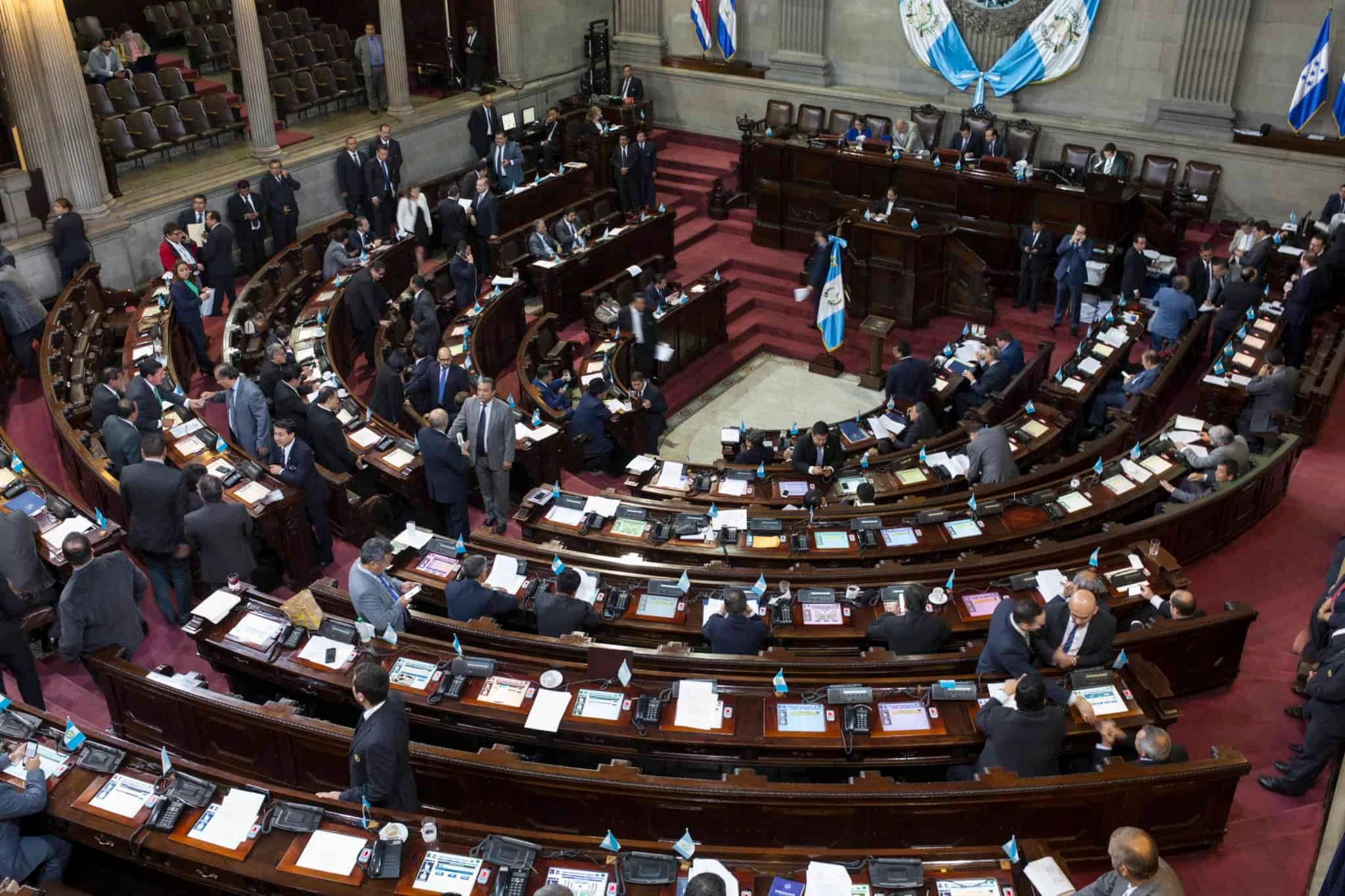
The Guatemala port law has already won the vote that was supposed to be hard, and it has been stuck ever since on the vote nobody expected to be a problem.
On the seventh of April, the reform passed its third debate with a hundred and eighteen of the hundred and twenty-four deputies present voting for it. That is not a majority; it is a consensus.
Three months later it has not become law. The argument is about a board with five seats.
What the Guatemala port law actually creates
The bill merges two initiatives, numbered 6527 and 6541, and replaces the existing National Port Commission with a National Port Authority holding autonomous regulatory power.
Deputy Jorge Ayala, who chairs the economy committee and carries the bill, set out the latest round of amendments on Tuesday. One narrows the authority’s remit meaningfully.
As originally drafted, the new body would have carried out cargo inspections. The amended version confines it to applying the international code for ship and port facility security, which is a different job entirely.
Other amendments handle the transition. Technical staff at the outgoing commission would get priority access to posts at the new authority, and public-port union members would receive guarantees on eligibility for certain roles.
Those are the details of a bill being finished, not a bill in trouble. The trouble is one article away.
Five seats, three months
The board keeps the composition it was given: four representatives of the state and one of the users. Those four would come from the ministries of communications, infrastructure and housing, the interior ministry, the economy ministry and the tax authority.
The tax authority is the problem. Critics argue it would be judge and party, since it already administers and audits activity inside the ports it would help regulate.
Nobody has agreed on who would take its place. Suggestions have ranged across a representative of Congress, one from the attorney general’s office, an additional executive delegate, one from the infrastructure agency, or a second private-sector seat.
Ayala was careful to say the committee is not proposing an alternative. Any change to governance must come from the floor or from the bloc chiefs, which means the question has been passed upward rather than settled.
A list that keeps being rewritten
Follow the amendment count and the pattern becomes visible. There were twenty-eight in May, when the committee managed to agree on twelve of them and the floor vote collapsed for lack of consensus.
By late June the count was thirty-three. On Tuesday it was thirty-two.
A number that goes up and then down is not a list being closed out. It is a list being rewritten while the calendar moves.
The dates have moved with it, from a promised second of June session that slipped, to a named twenty-eighth of July. Now bloc chiefs will meet on the twenty-seventh with a possible plenary on the twenty-ninth, and failing that, August.
The road that leads to the problem
Here is where the delay stops being procedural. The central bank published first-quarter national accounts on the same day this committee met, and construction was the fastest-growing activity in the economy at seven percent.
The project the bank named as driving it is the Escuintla to Puerto Quetzal motorway. That road runs to Puerto Quetzal, one of the public ports this law is meant to govern.
So Guatemala is building a motorway of international standard to a port whose legal framework has sat in amendment negotiations since April. The asphalt is ahead of the statute.
The commercial stakes are documented. Exporters put the logistics penalty from port deficiencies at up to thirty percent, against 2024 volumes of nine point two million tonnes and more than five hundred and four thousand containers.
The pressure to move is almost entirely external. The American chamber of commerce has urged approval, European diplomats raised it directly with congressional leadership, and exporters frame it as the price of admission to nearshoring.
Every one of those voices sits outside the chamber. Inside it, the obstacle is a single seat on a five-person board, in a bill a hundred and eighteen deputies already voted for.
What would the Guatemala port law change?
It would dissolve the existing National Port Commission and create an autonomous National Port Authority to regulate the sector and apply international ship and port security standards. It also sets procedures for port investment and contracting, including public-private partnerships and port administration contracts.
Why is it taking so long if it has the votes?
Because approval in principle and approval article by article are separate stages, and the second one has repeatedly failed to produce consensus on the new authority’s board. The specific dispute is whether the tax authority should hold a seat when it already regulates activity in the ports.
When could it finally pass?
Bloc chiefs and the permanent commission meet on July 27 to try to agree the amendment text, which could put the bill on the floor agenda for July 29. If that fails it moves to the first session of August, and it needs 107 votes because it is a constitutional-order law.
Connected Coverage
Guatemala’s First PPP Highway Nears Completion
Development Bank IDB Plans $3 Billion for Guatemala’s Investment-Grade Push
Guatemala Edges Toward Its First-Ever Investment-Grade Rating
More: Latin America news in English, every day from The Rio Times.
Frequently Asked Questions
What would the Guatemala port law actually change?
It would dissolve the existing National Port Commission and create an autonomous National Port Authority to regulate the sector and apply international ship and port security standards. It also sets procedures for port investment and contracting, including public-private partnerships.
Why is the port law stuck if 118 deputies already voted for it?
Because approval in principle and approval article by article are separate stages, and lawmakers cannot agree on who sits on the new authority's five-member board. The specific dispute is whether the tax authority should hold a seat when it already regulates activity in the ports.
When could the port law finally pass?
Bloc chiefs meet on July 27 to try to agree on the amendment text, which could put the bill on the floor agenda for July 29. If that fails it moves to August, and it needs 107 votes because it is a constitutional-order law.
This article was produced by The Rio Times’ automated newsroom system. How we use AI · Report an error · Editorial responsibility: Matthias Camenzind, Editor-in-Chief